
Where the Water Takes Over: six NOTEWORTHY sea PLANE Journeys
Across islands of the Atlantic, the airport is often only one stage of the journey. Six routes show where seaplanes make practical sense, while offering a different perspective on island character and waterways below, that conventional aviation tends to bypass.
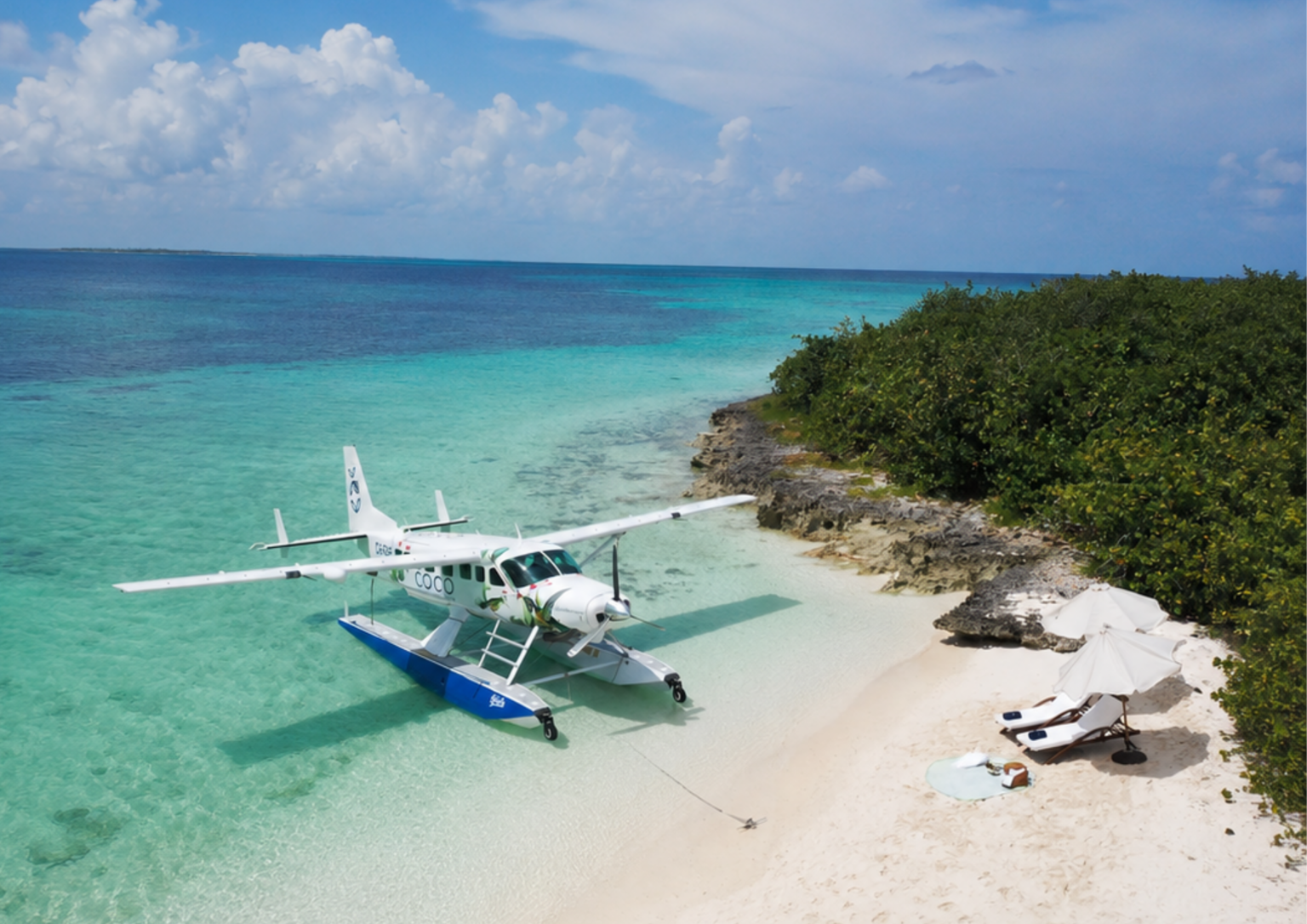
Island travel has a habit of continuing after the aircraft has landed. There is the airport, immigration, a taxi, a ferry and perhaps one more golf cart for good measure. By the time the bags reach their destination, the flight may have been the simplest part.
This is where the seaplane remains useful across South Florida, The Bahamas and the Caribbean. Its advantage is straightforward: where geography allows, the flight can end much closer to where the passenger is actually going.
Baker’s Bay: when aviation becomes part of the club
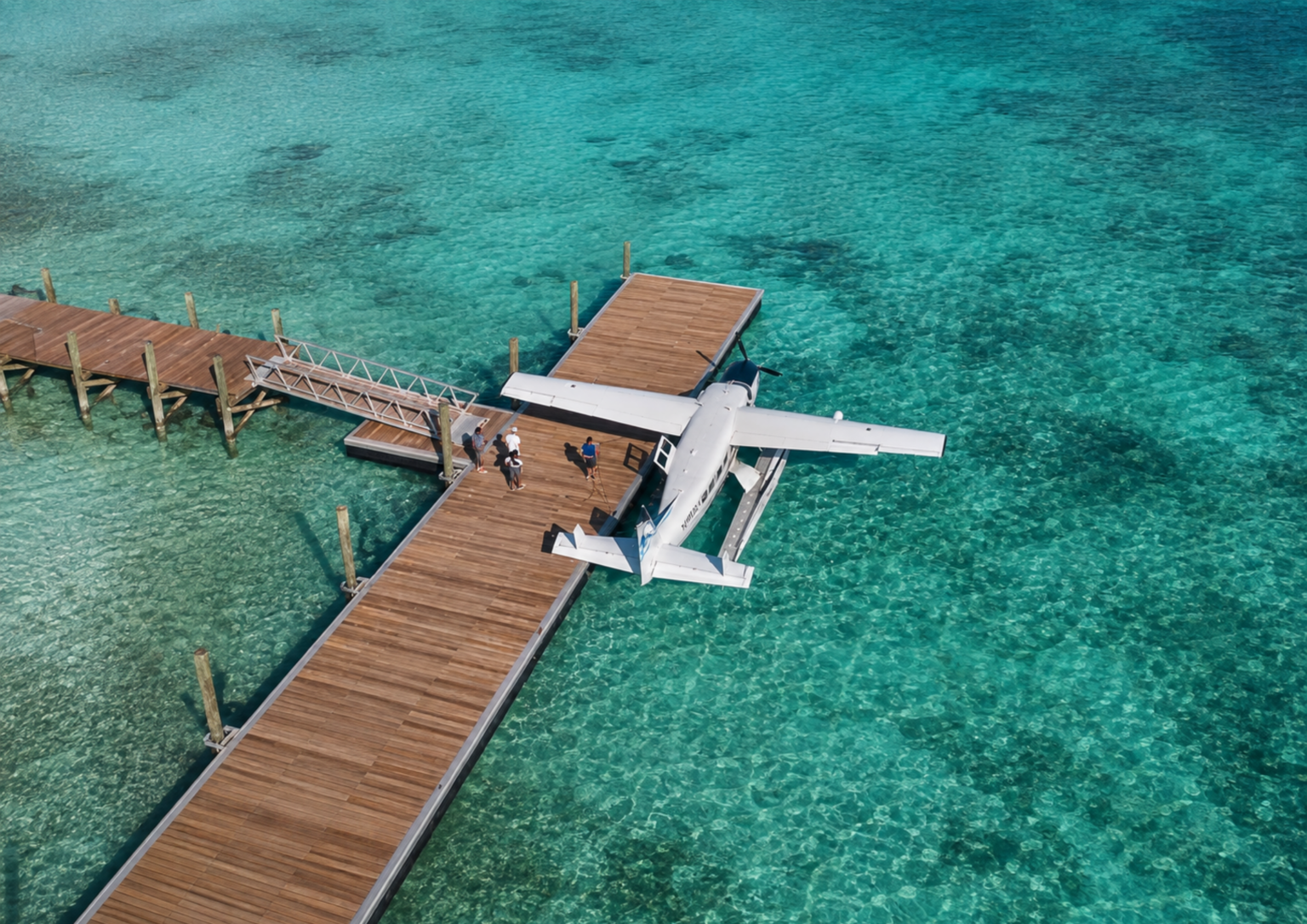
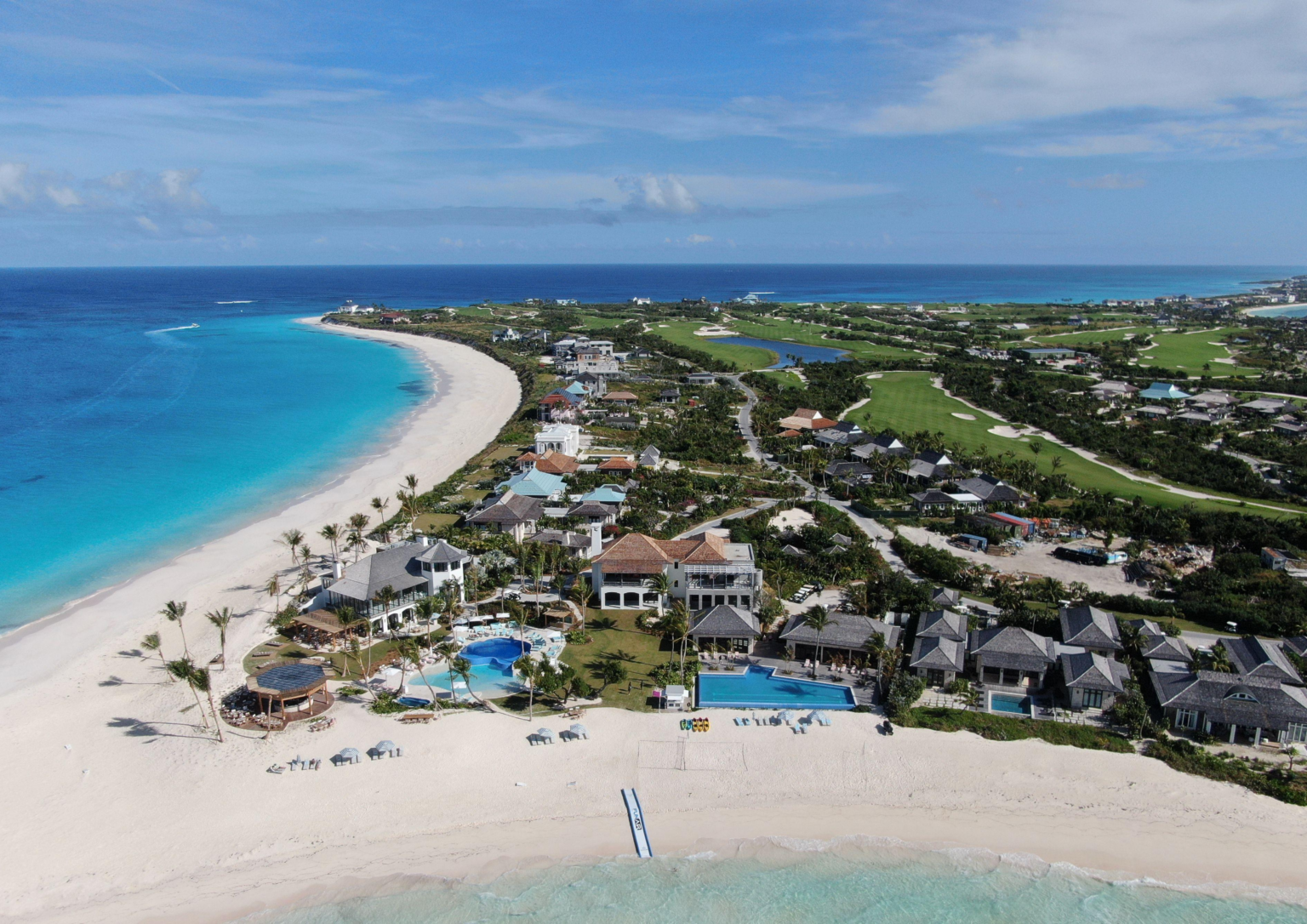
For members travelling to Baker’s Bay Golf & Ocean Club, the conventional arrival through Marsh Harbour leaves a transfer to the dock and a ferry of roughly 45 minutes across the Sea of Abaco. The direct seaplane lands at Baker’s Bay itself, uses the club’s existing ramp and clears immigration and customs on the property. A dedicated dock is planned.
The distinction is more significant than the time saved. Baker’s Bay has effectively folded aviation into the same private infrastructure as its marina and golf course. Bags can move from the car through customs and onto the aircraft without returning to the passenger between each stage. A ferry timetable does not become a second schedule to keep.
That is what makes the route unusual. The seaplane is not simply bringing passengers closer to the resort. Aviation itself has been absorbed into the property.
The point is not that the aircraft looks especially at home there, although it does. It is that passengers no longer have to land on one island in order to reach another.
Harbour Island: landing on the right island
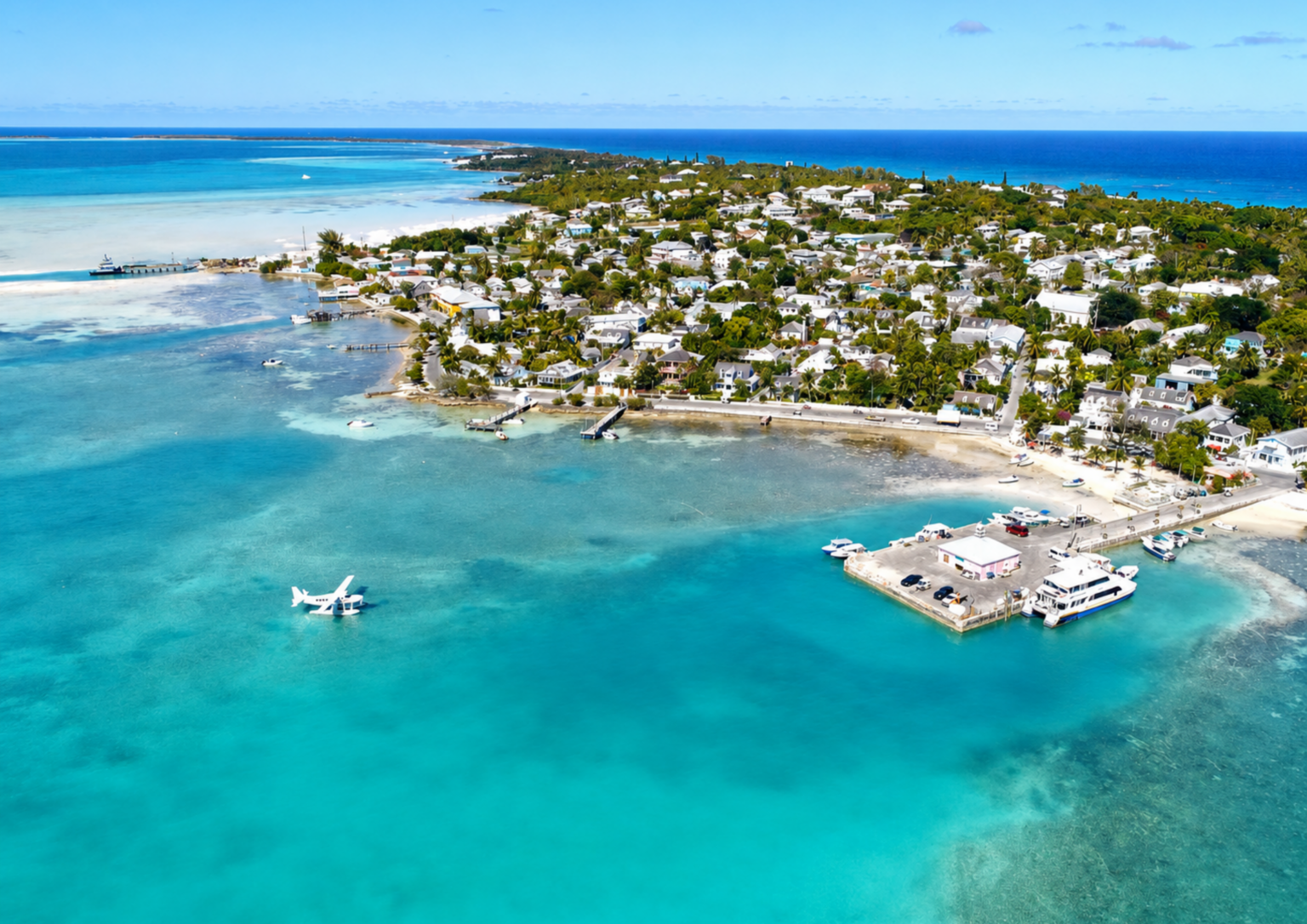
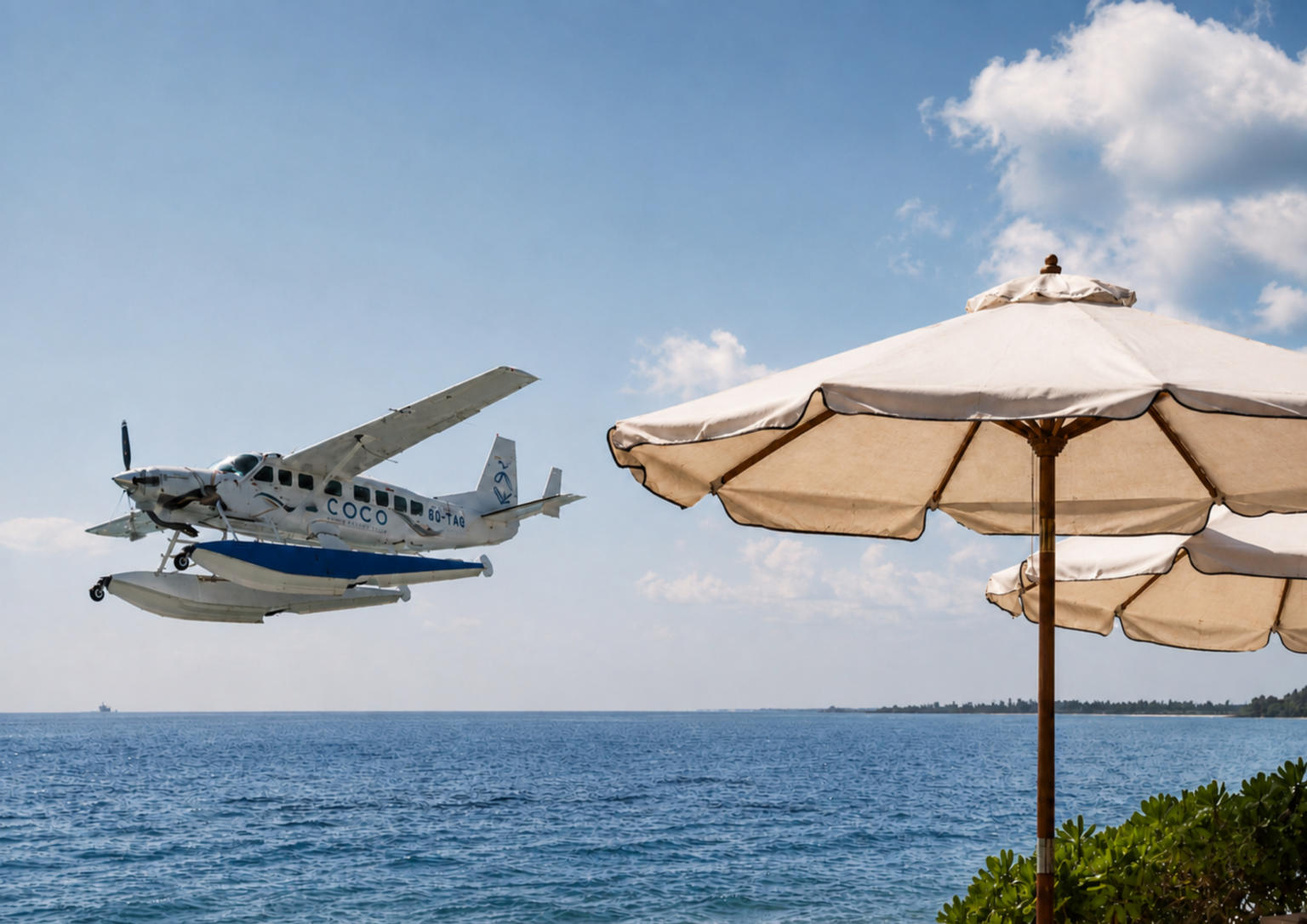
Harbour Island presents a different problem. Most visitors fly into North Eleuthera, take a short taxi to Three Island Dock and cross by water taxi before continuing to their hotel or house. Private amphibious flights can instead land near Valentines Resort & Marina on Harbour Island itself.
Here, the advantage comes largely from geography. Harbour Island is the destination, but its conventional airport sits across the water on Eleuthera. The usual transfer exists because the runway was placed where geography allowed, rather than because it offered the most direct arrival.
A water landing removes that mismatch. Instead of arriving at the airport serving Harbour Island and then crossing to the island itself, passengers approach the town directly. For a destination generally better known for its pink sand and clapboard houses, the transport logic is unusually neat: the flight ends on the correct island.
Kamalame Cay: when the transfer disappears
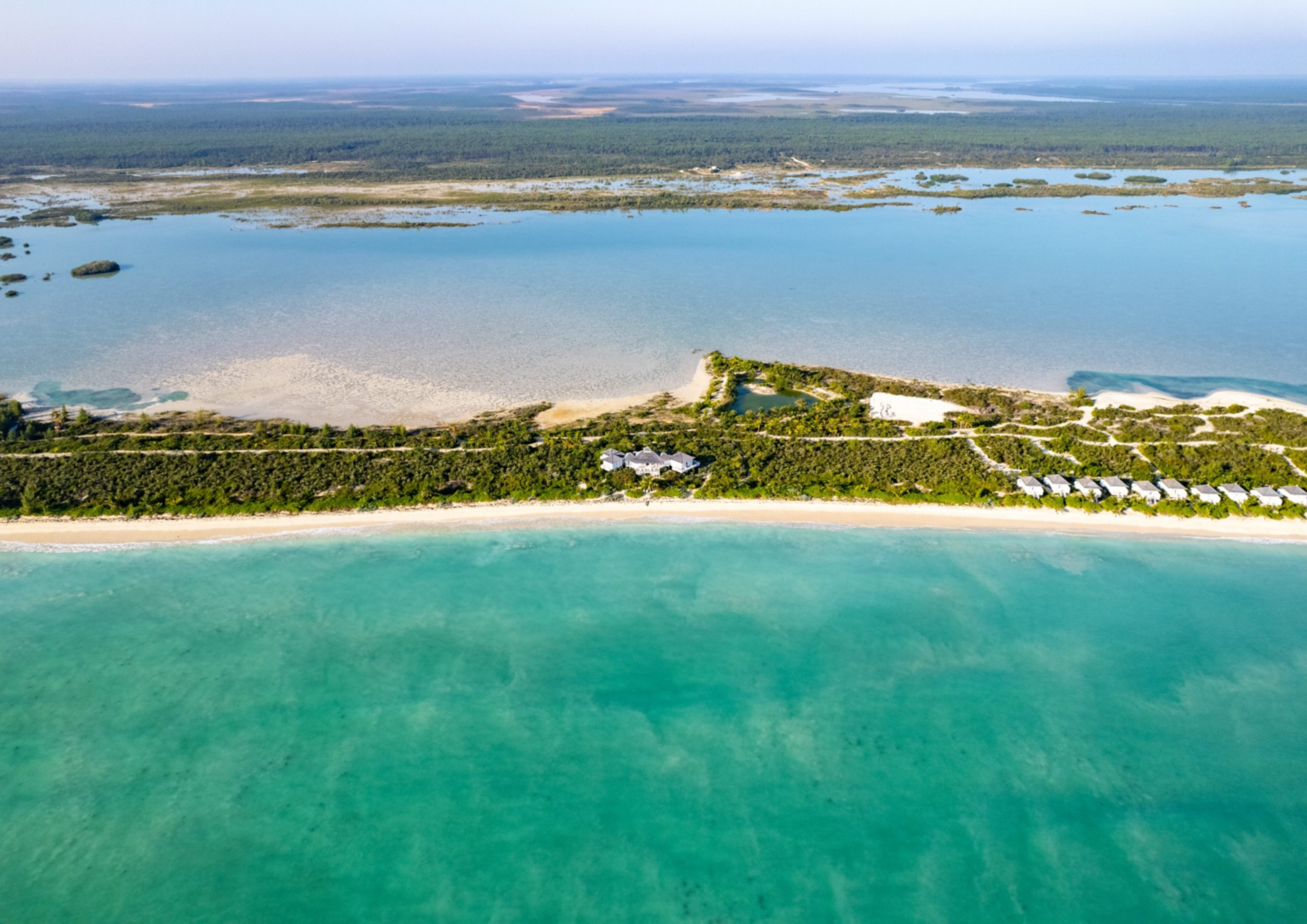
Little Palm Island provides a useful counterexample. The island is accessible by boat, private yacht or seaplane. Most guests drive to the resort’s Welcome Station on Little Torch Key and board its motor yacht, The Truman, for the final journey to the island. A seaplane can land directly at the property instead.
The conventional route, however, is not especially inefficient. Check-in begins on the mainland, luggage is taken care of and the boat journey forms part of the resort’s established arrival process. In this case, the transfer has been designed rather than tolerated.
The seaplane therefore offers a different choice rather than an obvious improvement. It cuts out the drive through the Keys and the subsequent boat transfer, while the conventional route deliberately includes both. For some passengers the direct arrival will be preferable; for others, the boat journey is part of the reason for going.
Little Palm Island: when the slower arrival has value
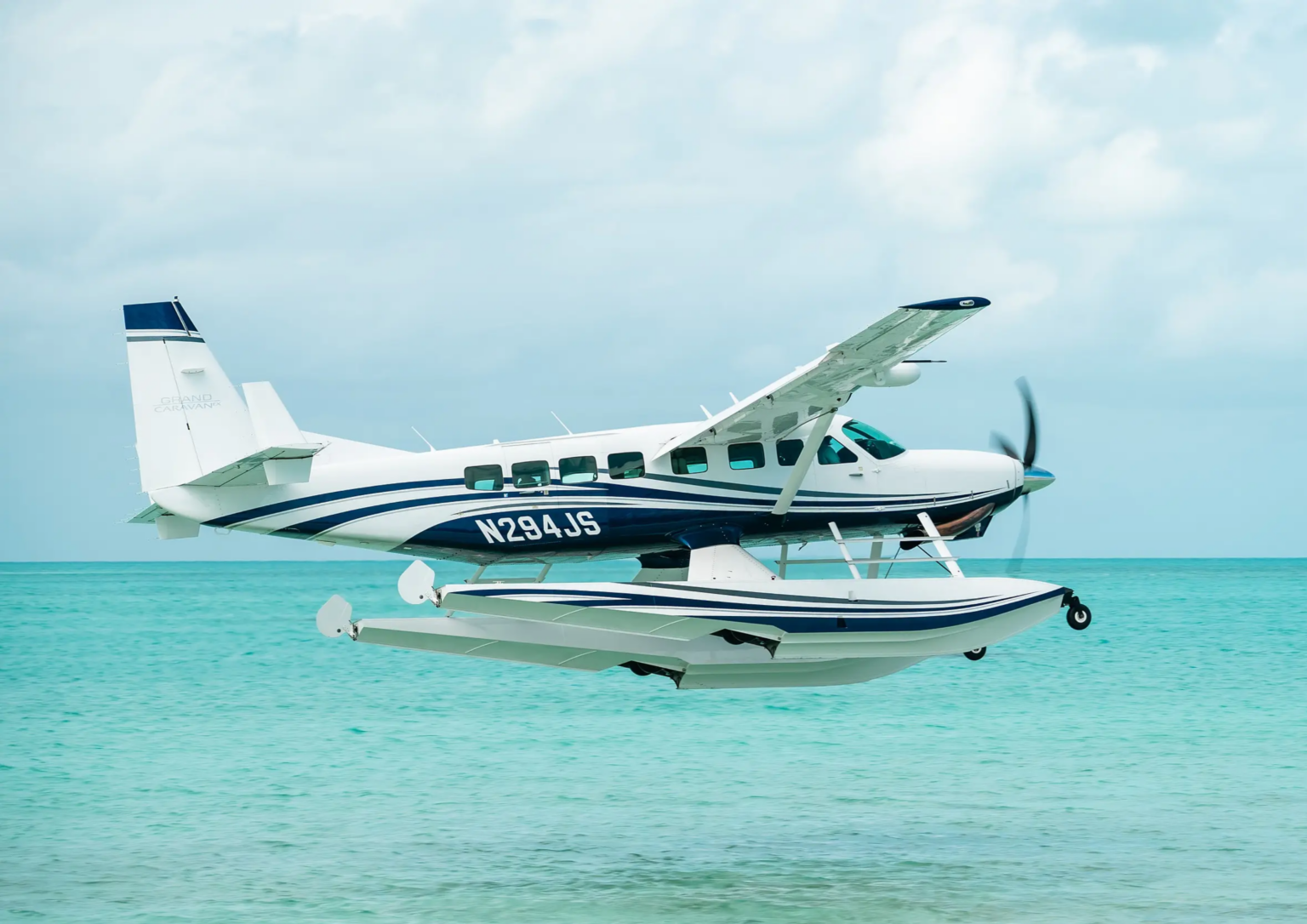
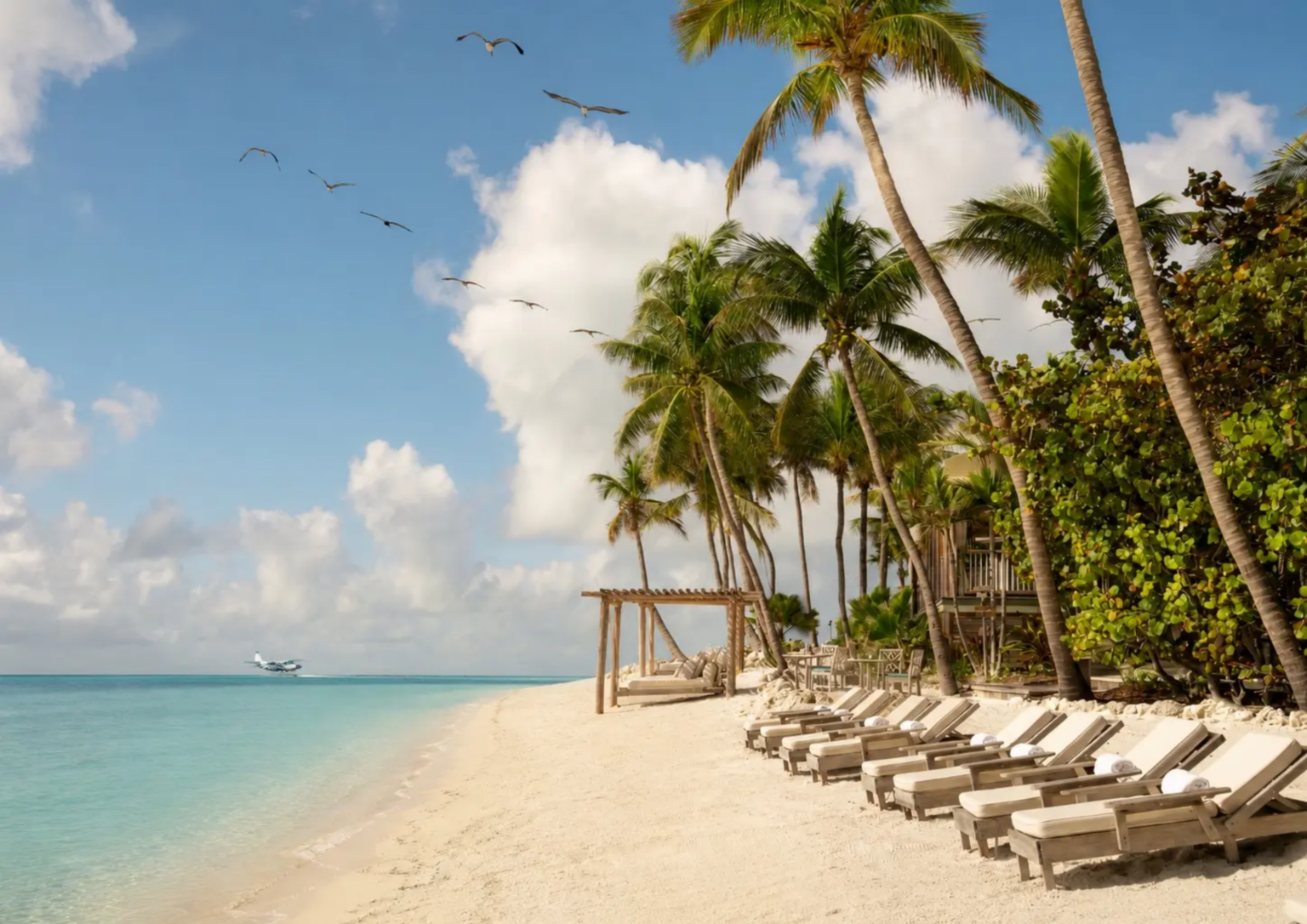
Little Palm Island provides a useful counterexample. The island is accessible by boat, private yacht or seaplane. Most guests drive to the resort’s Welcome Station on Little Torch Key and board its motor yacht, The Truman, for the final journey to the island. A seaplane can land directly at the property instead.
The conventional route, however, is not especially inefficient. Check-in begins on the mainland, luggage is taken care of and the boat journey forms part of the resort’s established arrival process. In this case, the transfer has been designed rather than tolerated.
The seaplane therefore offers a different choice rather than an obvious improvement. It cuts out the drive through the Keys and the subsequent boat transfer, while the conventional route deliberately includes both. For some passengers the direct arrival will be preferable; for others, the boat journey is part of the reason for going.
The Exumas: when the destination moves
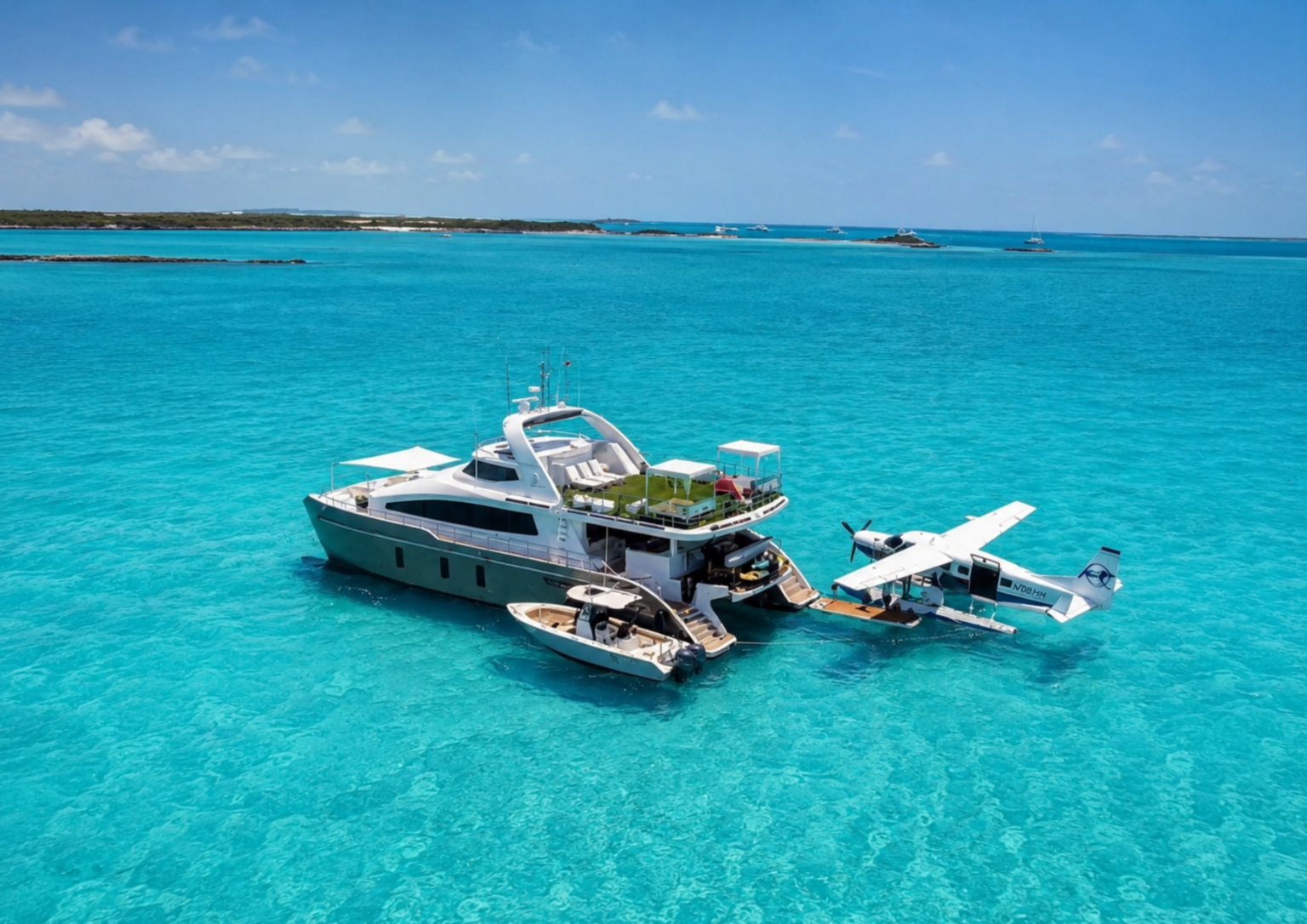
The distinction becomes more practical in the Exumas, where the destination may change from one day to the next.
A yacht moving among the cays operates according to weather, preference and itinerary. Airports, customs facilities, roads and marinas are fixed. Joining or leaving a charter midway can therefore require the yacht to alter course, return towards a marina or give up part of its planned route to meet land-based transport.
An amphibious aircraft can meet the vessel on the water instead. Seaplane operators in The Bahamas use these flights for passengers, crew changes, maintenance requirements and provisioning, including services into the Exumas.
This addresses a different problem from the resort routes. There may be no nearby runway worth reaching because the relevant location is the yacht itself. Conventional aviation works between fixed points; a yacht effectively creates a temporary address each time it moves. The seaplane can be dispatched to that location.
The practical consequence is that the yacht does not necessarily have to reorganise its route around one passenger’s departure. A final afternoon can remain part of the charter rather than being spent returning towards Nassau or another marina to meet an onward flight. The same principle applies to crew movements and urgent supplies.
It also reverses the normal airport relationship. On land, the passenger travels to a terminal with a fixed address. In the Exumas, the aircraft may instead be given the position of an anchorage.
St Thomas to St Croix: when the seaplane becomes public transport
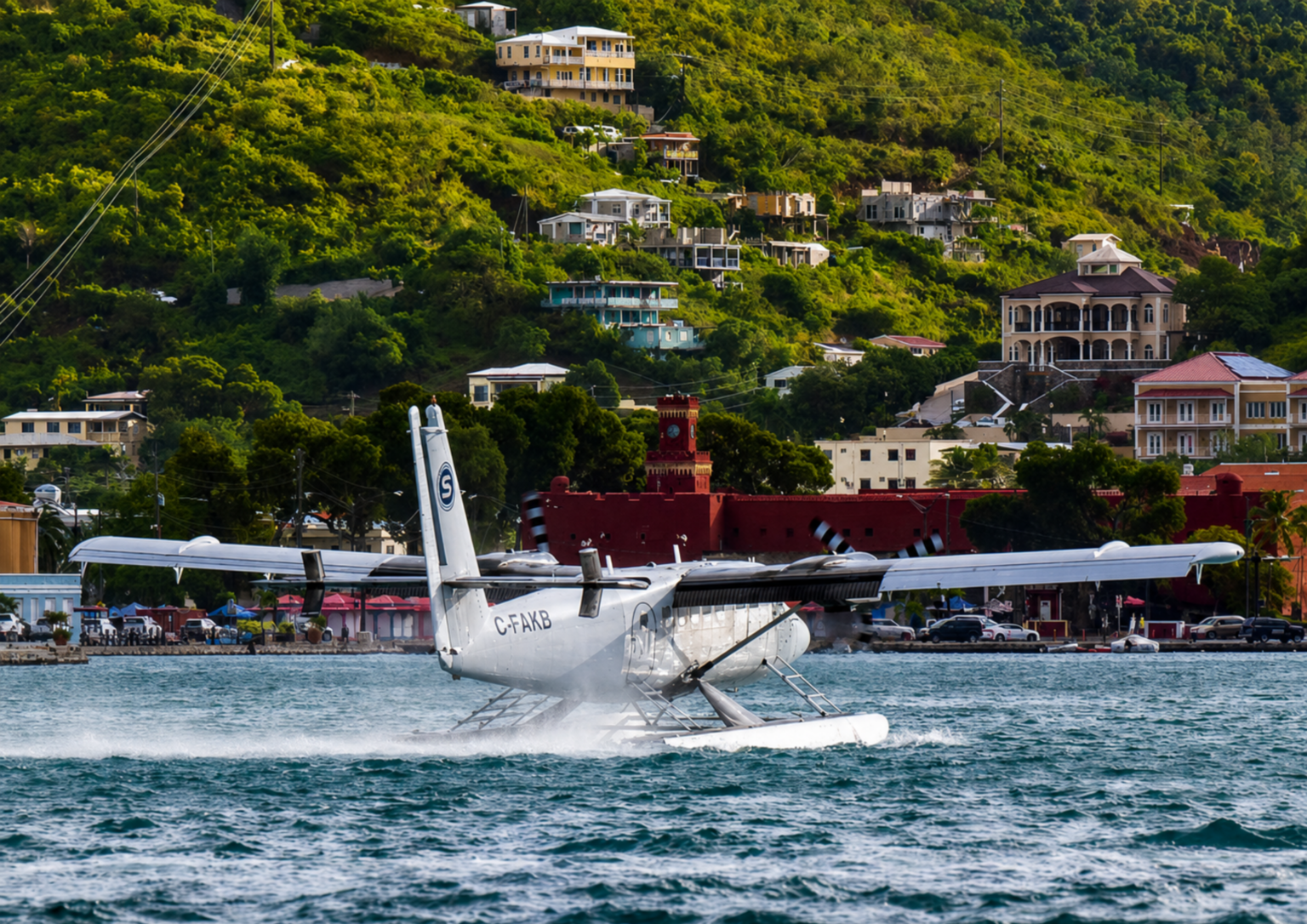
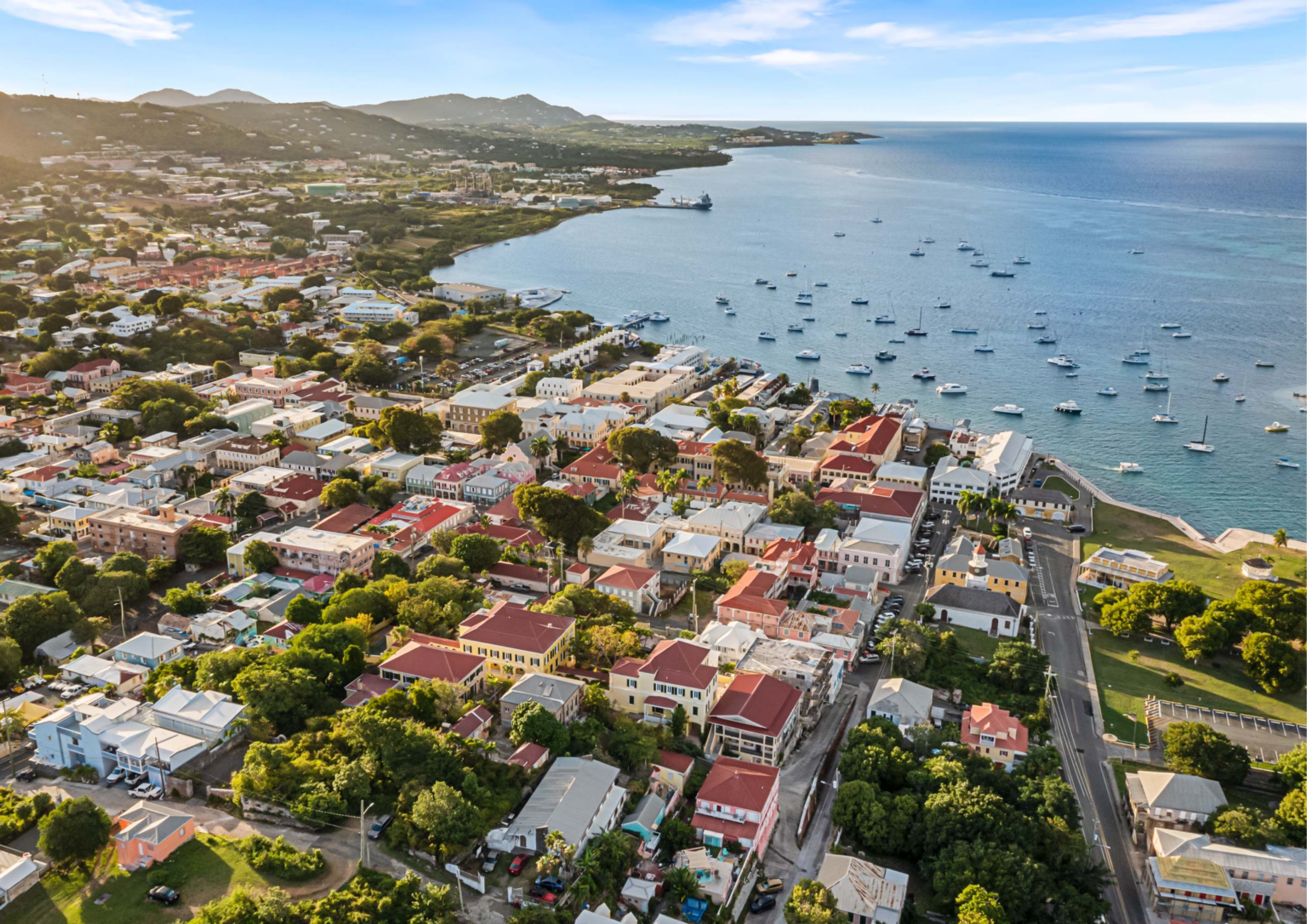
The scheduled seaplane between St Thomas and St Croix is a very different use of the same aircraft. Passengers book individual seats and travel between seaplane terminals in downtown Charlotte Amalie and Christiansted in around 25 minutes.
There are normal airline formalities, including check-in requirements and a published schedule. What matters is the location of the terminals. Both sit close to the towns passengers are travelling between, avoiding journeys out to conventional airports at either end.
It is an instructive contrast with the private-island and yacht examples. Here, the seaplane is scheduled regional transport used by residents, business travellers and visitors. Its value comes from connecting two centres efficiently rather than from reaching somewhere remote.
That may also be the simplest case for the aircraft. The geography happens to suit a harbour-to-harbour service, and the seaplane provides one.
When the conditions align
Using water expands the number of places an aircraft can reach, but a water landing is still subject to operational limits. Wind, swell, currents, boat traffic and the condition of the landing area all affect whether a particular arrival is practical.
International flights add another fixed requirement: customs and immigration. Unless clearance is available at the destination, an aircraft may still need to stop at an approved airport before continuing to a beach, dock or yacht. A theoretically direct route can therefore still contain an intermediate stop.
This is why seaplanes remain a fairly specialised part of aviation. Their usefulness depends on a particular combination of geography, conditions, infrastructure and permissions. Where those factors line up, however, they can remove transfers that conventional aircraft cannot.
The six routes illustrate different versions of the same problem. The airport may be on the wrong island, the road may finish at a ferry dock, a resort may have deliberately built a boat transfer into the experience, or the destination itself may be moving through the Exumas.
In island travel, landing and arriving are not always the same thing. In each of these cases, the seaplane brings the two closer together.
Sources include: Architectural Digest, Canvas Yacht Charters, Cat Cay Yacht Club, COCO Bahama Seaplanes / Alessandro Sarno, Discovery Land Company, Federal Aviation Administration, FlightAware, flyExclusive, Getaway Mavens / Sandra Foyt, Kamalame Cay, Le Mag Voyageurs du Monde, Little Palm Island Resort & Spa, Pinterest, Seaborne Airlines, Tropic Ocean Airways, Valentine’s Resort & Marina, Virgin Islands Port Authority, Daniel Piraino / Harbour Island imagery