Where Land Meets Legacy: The Enduring Influence of Bermuda’s Agriculture
Bermuda’s natural beauty is often defined by its pink sand beaches and turquoise waters, but at its core, the island’s identity has been shaped just as much by the land as by the sea. For centuries, agriculture has played a quiet yet vital role in sustaining Bermuda’s communities, with generations of farmers, craftsmen, and equestrians preserving traditions that continue to thrive today.
Farming in Bermuda has never been without its challenges. The island’s subtropical climate and limited arable land have required ingenuity and adaptability, traits that Bermudian growers have honed over time. Today, small farms across the island continue to supply fresh, locally grown produce, connecting modern Bermuda to its agricultural roots. This enduring craftsmanship extends beyond the fields, seen in the skilled hands of artisans and the equestrian heritage that remains deeply woven into the island’s cultural fabric.
A Legacy of Adaptation and Influence
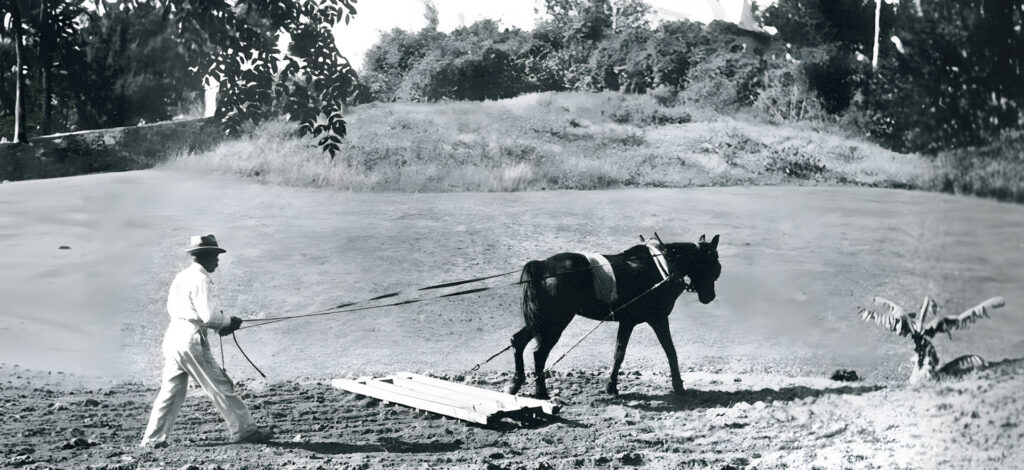
Bermuda’s agricultural success has always been about adaptation. In the 17th century, the island experimented with tobacco farming under the Somers Isles Company, but the soil proved better suited to food crops. Farmers pivoted, cultivating fruits and vegetables that sustained local communities. By the 19th century, Bermudian-grown onions became so sought-after in the U.S. that the island earned the nickname “The Onion Patch”—a legacy that remains in the national identity today. The Easter lily followed, flourishing in Bermuda’s climate and finding its way into churches and homes across North America each spring.
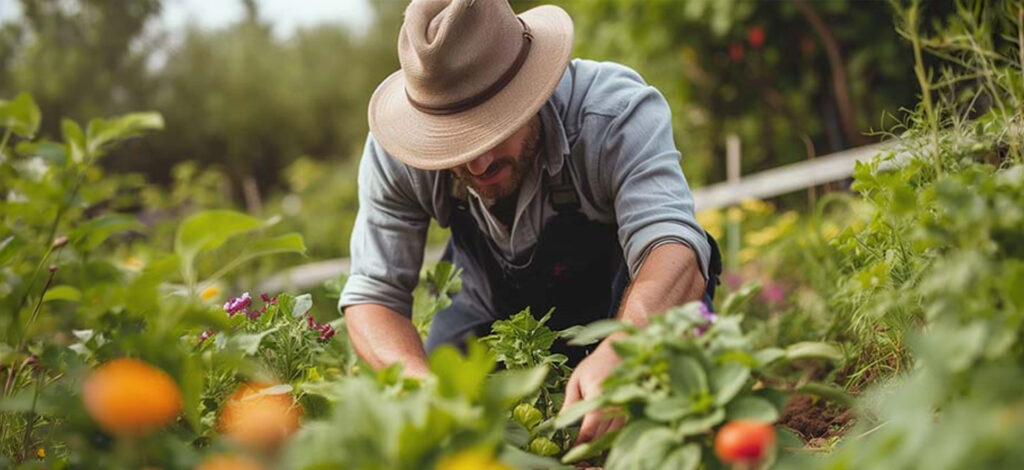
Agriculture has been crucial to the development of local commerce, identity, and connection. Bermuda’s farmers and horticulturalists were among the island’s first international traders, exporting crops that became symbols of quality and craftsmanship abroad. Today, while large-scale agriculture has given way to other industries, small farms and local growers continue to preserve this spirit, supplying fresh ingredients that define the island’s culinary scene.
Tradition and Innovation: The Past and Future
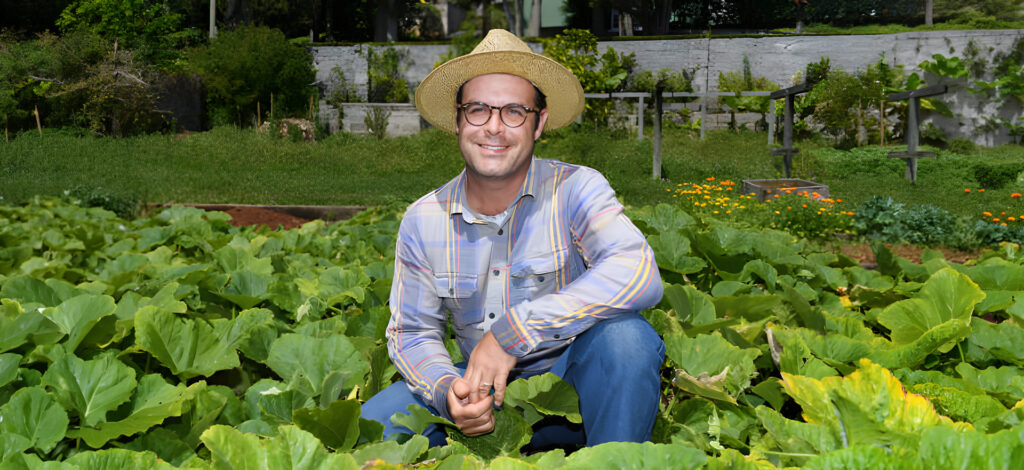
Bermuda’s agricultural roots run deep, with families like the Amarals tending the land for generations. At Amaral Farms, founded in 1962, Joseph Amaral and his sons have spent decades cultivating fresh local produce, adapting to changing times while preserving traditional farming methods. Their work is a testament to the resilience and dedication that have defined Bermudian agriculture for centuries.
But while legacy farms continue to thrive, Bermuda is also looking to the future. Vertical farming, a modern approach to growing crops in controlled environments, is gaining traction as a solution to the island’s limited arable land. While not a replacement for traditional farming, it represents an innovative step forward in ensuring local food production remains viable in a changing world.
At the Bermuda Agricultural Exhibition, both past and future come together. Legacy farmers showcase time-honored techniques, while new agricultural innovations highlight how Bermudians continue to evolve and refine their craft. It’s a celebration of Bermuda’s rich farming heritage and where it’s headed.
An Exhibition & A Living Tradition
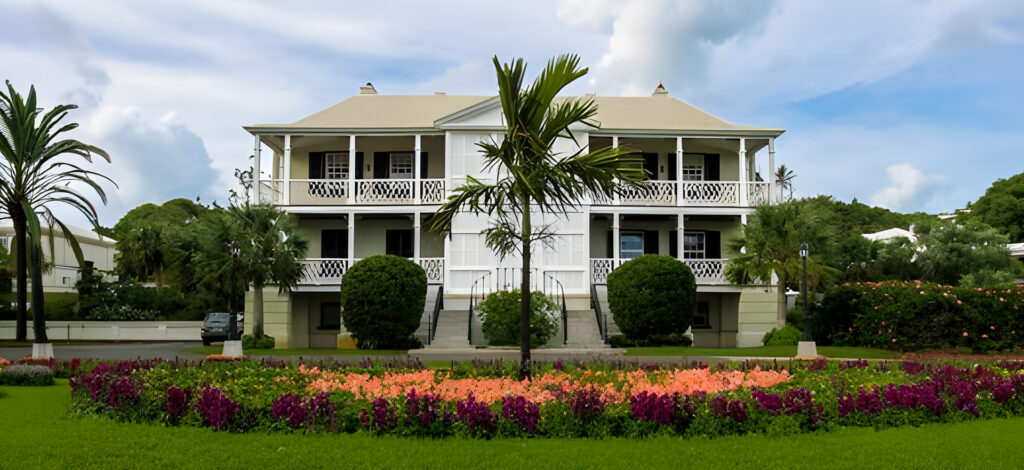
The Bermuda Agricultural Exhibition, taking place from April 23rd to April 25th, 2026, is a reminder that farming is an integral part of Bermuda’s culture today. Held at the Botanical Gardens, the event brings together the island’s agricultural, equestrian, and artisan communities in a showcase of skill, dedication, and tradition.
Local farmers present the best of their harvests, equestrians demonstrate the precision and discipline of generations-old horsemanship, and artisans display handcrafted goods that reflect the island’s heritage. Bermuda’s agricultural legacy may be centuries old, but its impact continues today.