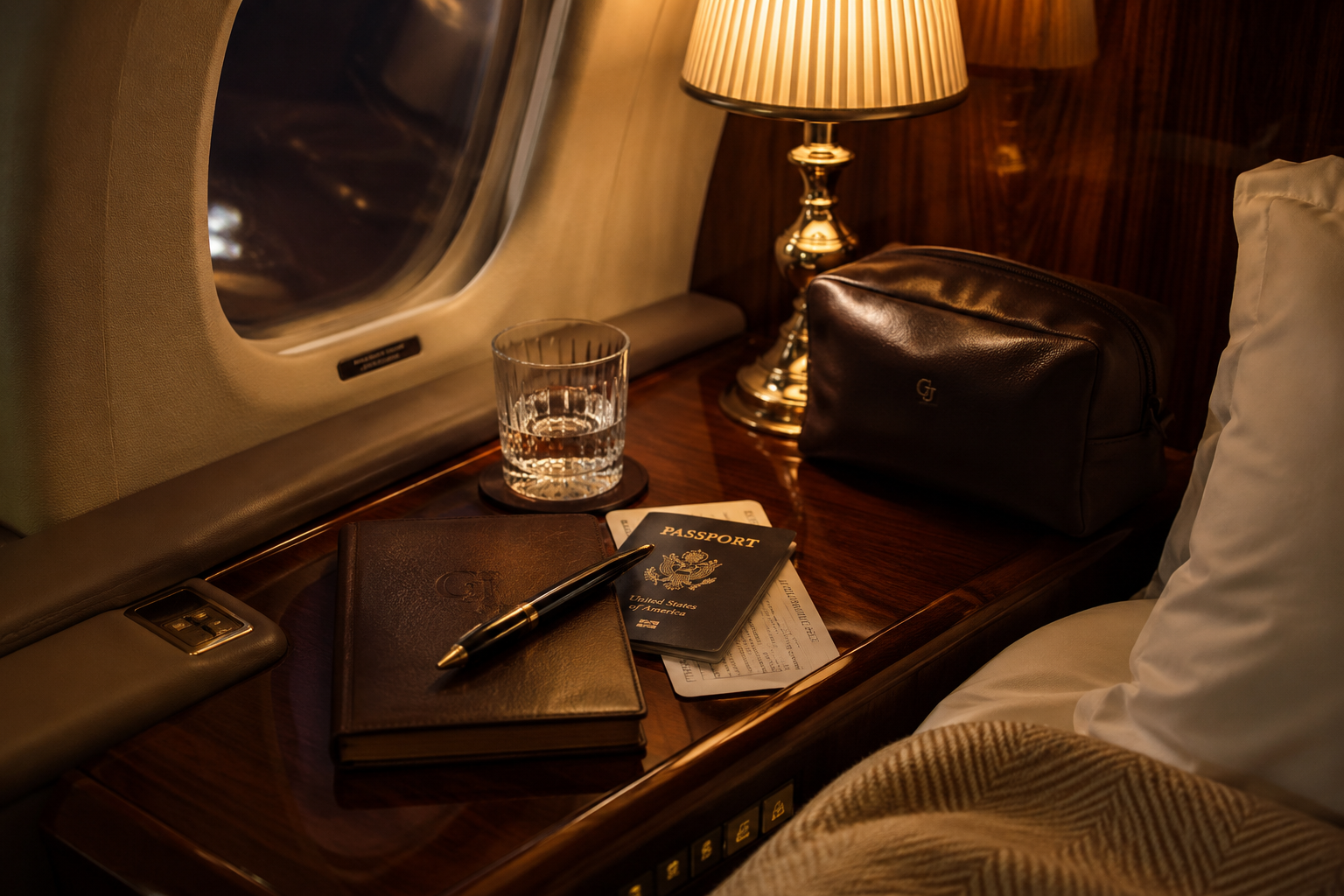
For most travellers, the aircraft is simply the means of getting somewhere. In a few places, however, the journey continues after the engines stop.
Retired aircraft have been reworked into villas, suites and private stays, the convincing examples are not gimmicks. They work because the aircraft still has presence: the fuselage, windows, cockpit and proportions remain part of the experience, while the setting gives each a different mood. Some are polished. Some are nostalgic. Some are improbable. All offer a different way to think about flight — not as transfer, but as the place to stay in itself.
BALI, Boeing 737
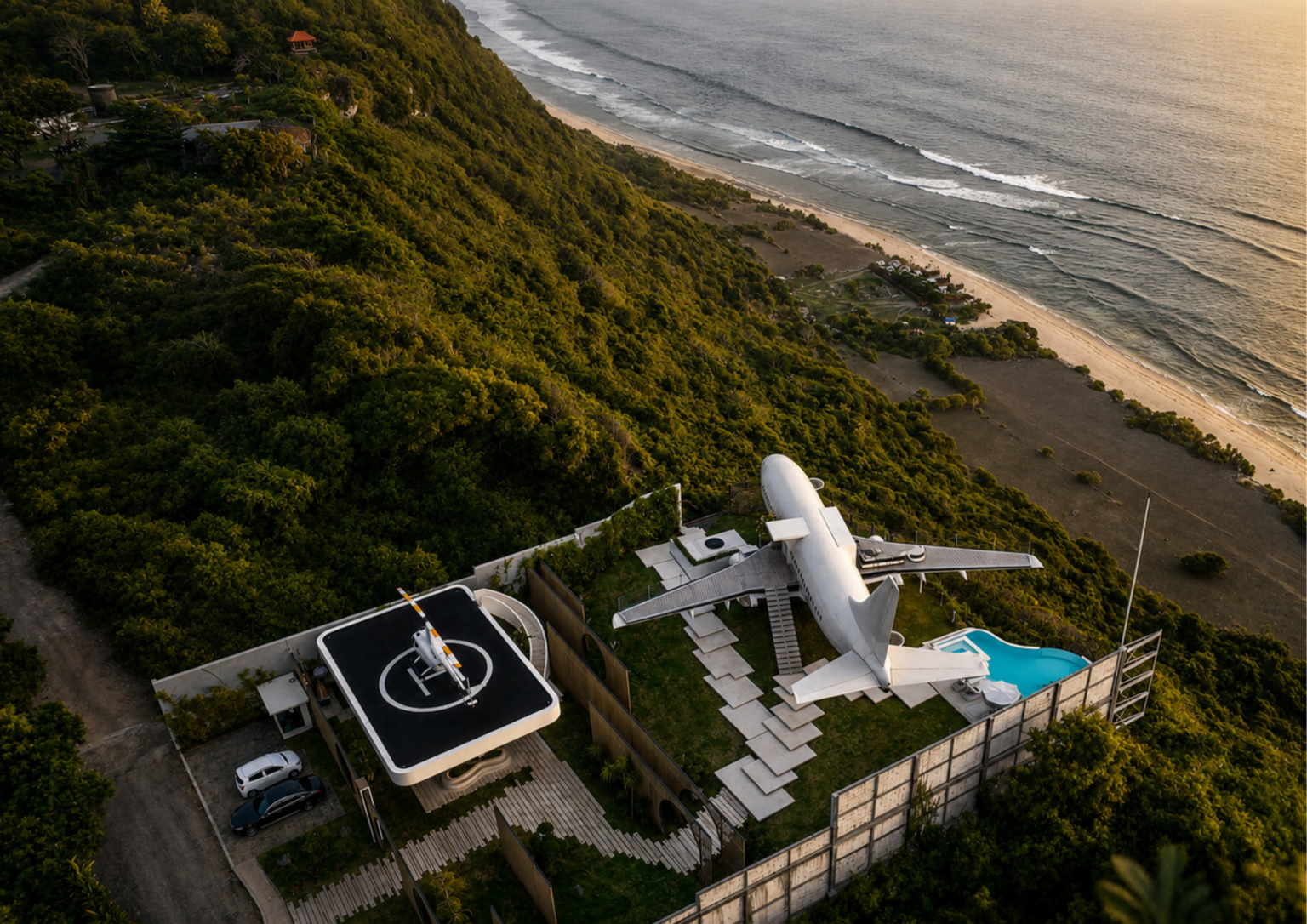
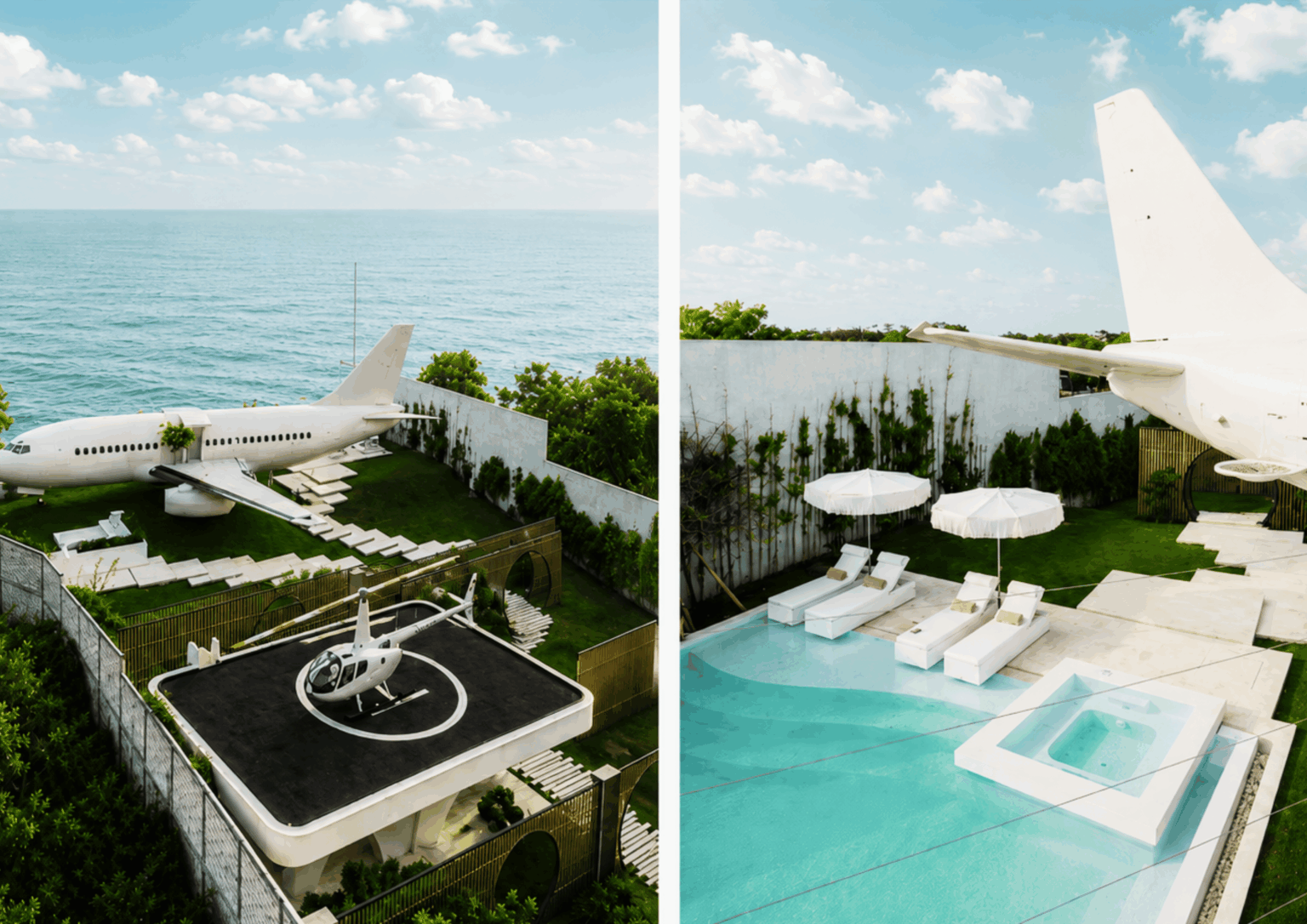
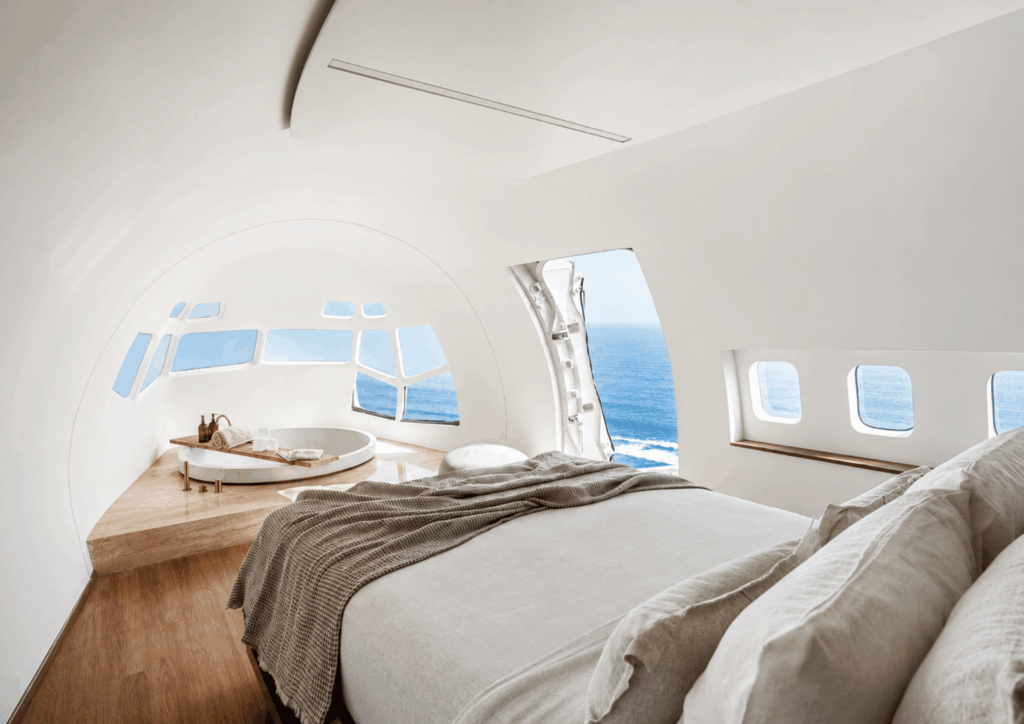
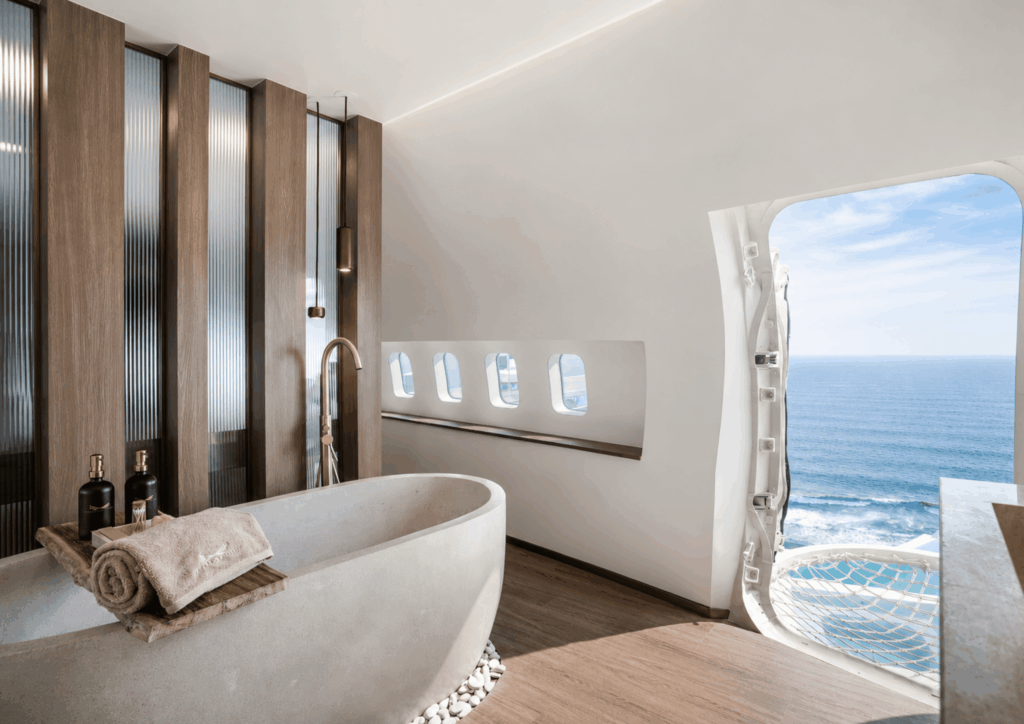
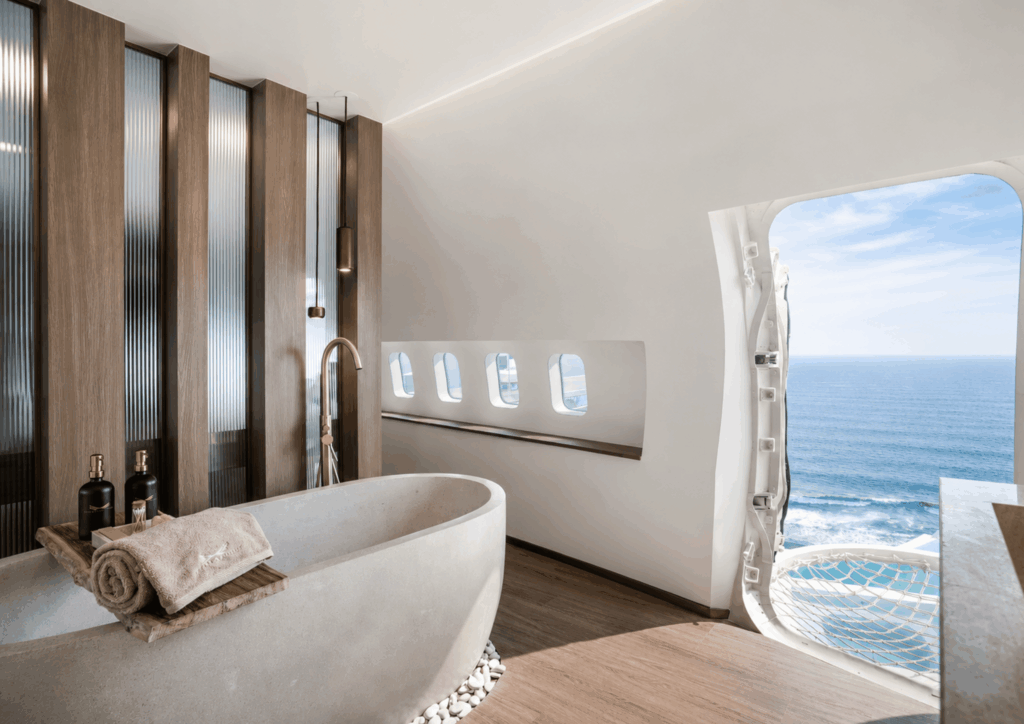
Bali’s Private Jet Villa is the most dramatic of the four, placing a retired Boeing 737 on the cliffs above Nyang Nyang Beach in Uluwatu. It could easily have become a novelty. Instead, it works because the aircraft has been treated as architecture.
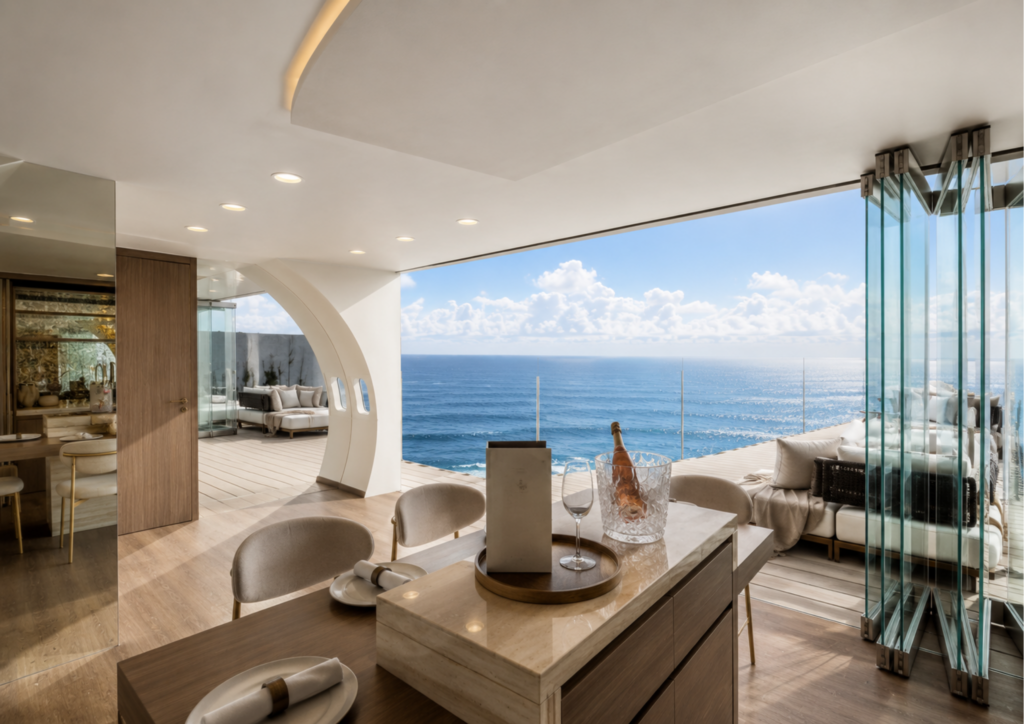
The fuselage has been reworked into a private villa with two bedrooms, an infinity pool, terrace and broad views over the Indian Ocean. The cabin still gives the stay its character, but the experience is softened by the setting: sea air, open space, tropical planting and the slow rhythm of a clifftop retreat.
What makes it interesting is the contrast. A commercial aircraft, once built for schedules and altitude, has been made still, private and domestic. It is no longer about getting somewhere quickly. It is about waking up inside an aircraft and having nowhere urgent to be.
There is also a certain logic to Bali as the setting. Uluwatu already has a tradition of villas that blur the line between residence, retreat and spectacle. The aircraft simply pushes that idea further. Its position above the beach gives the fuselage the kind of drama that would feel forced in a flatter location. Here, it has context.
The best detail is that the aircraft has not been made to disappear. The windows, curve of the cabin and unmistakable nose remain central to the stay. It is polished enough to feel like a serious villa, but strange enough to remain memorable. That balance is difficult to achieve, and it is why this example sits above most aircraft conversions.
Alaska, DC-6 Cargo
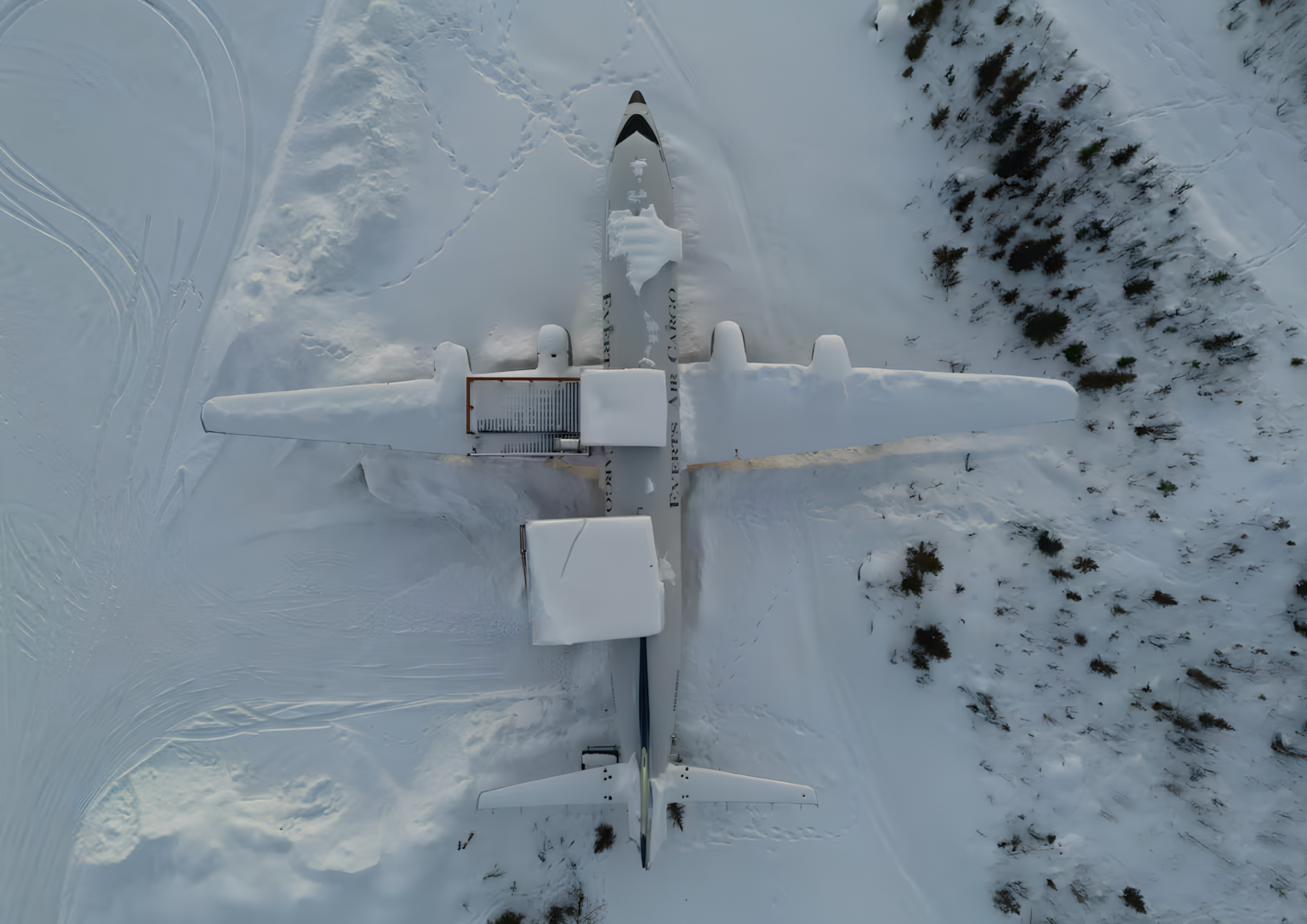
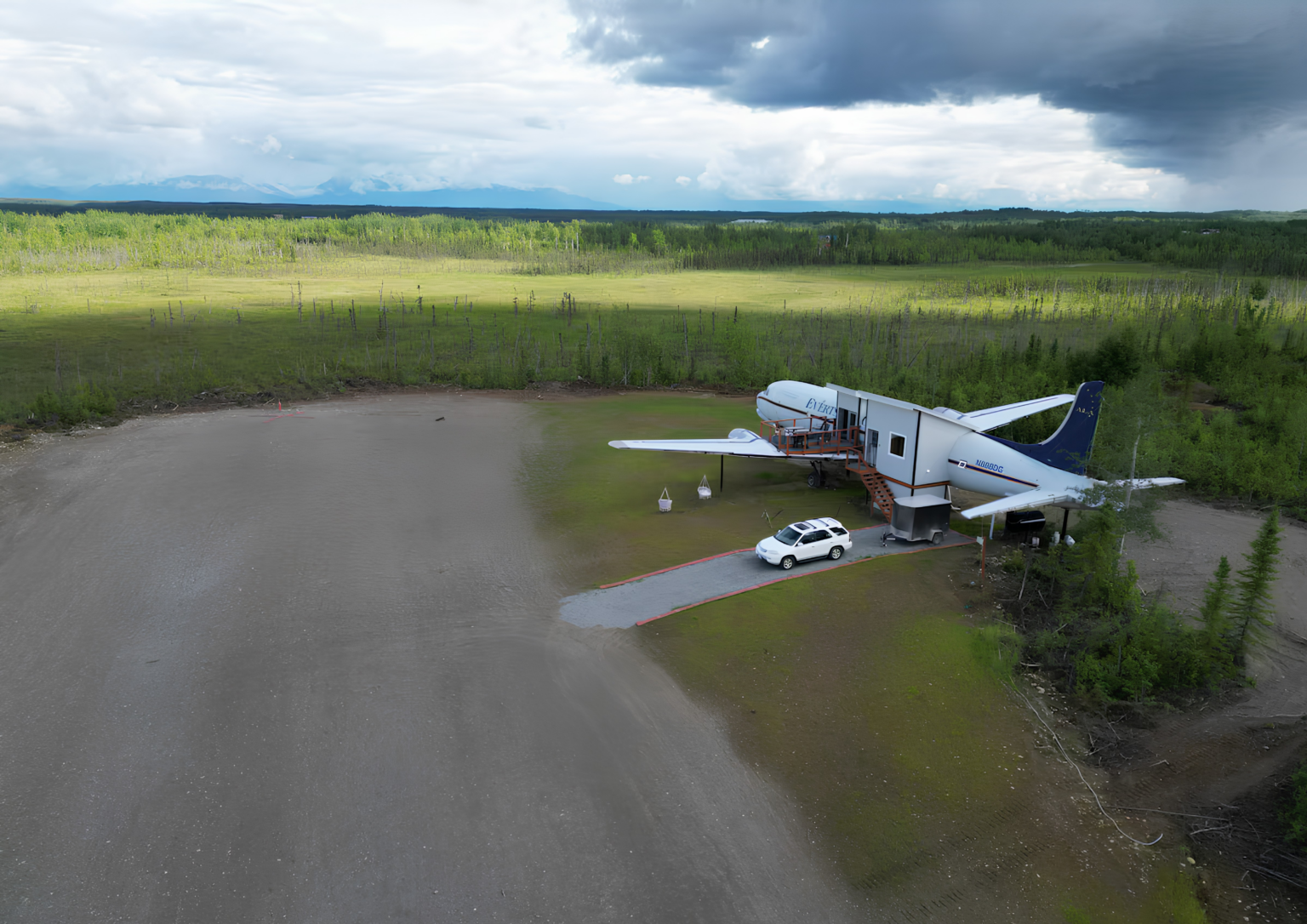
In Wasilla, Alaska, a 1956 Douglas DC-6 freighter has been turned into a stay with a quieter kind of charm. Before becoming accommodation, the aircraft had a working life carrying freight, fuel and supplies into remote parts of the state. That history gives the conversion substance.
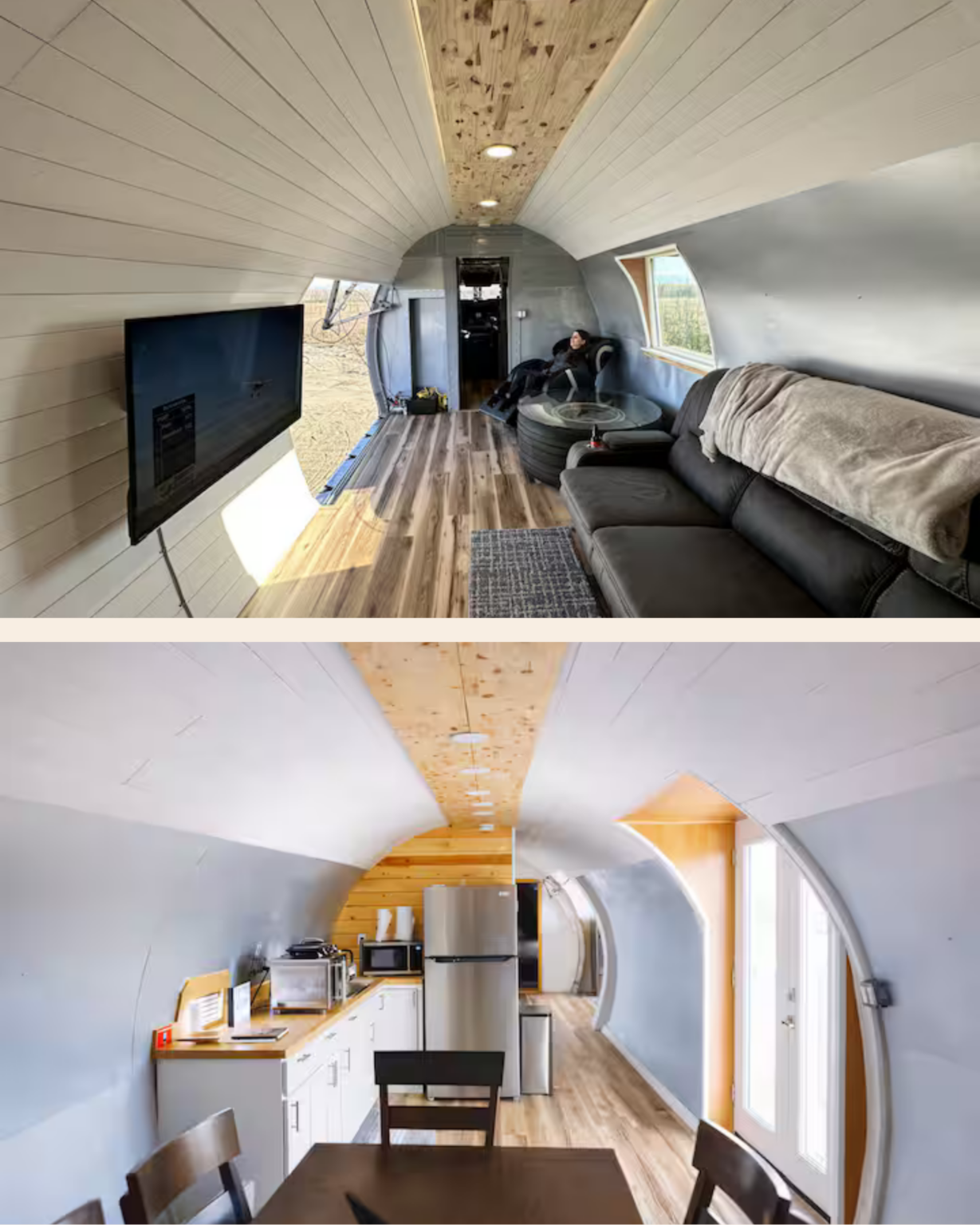
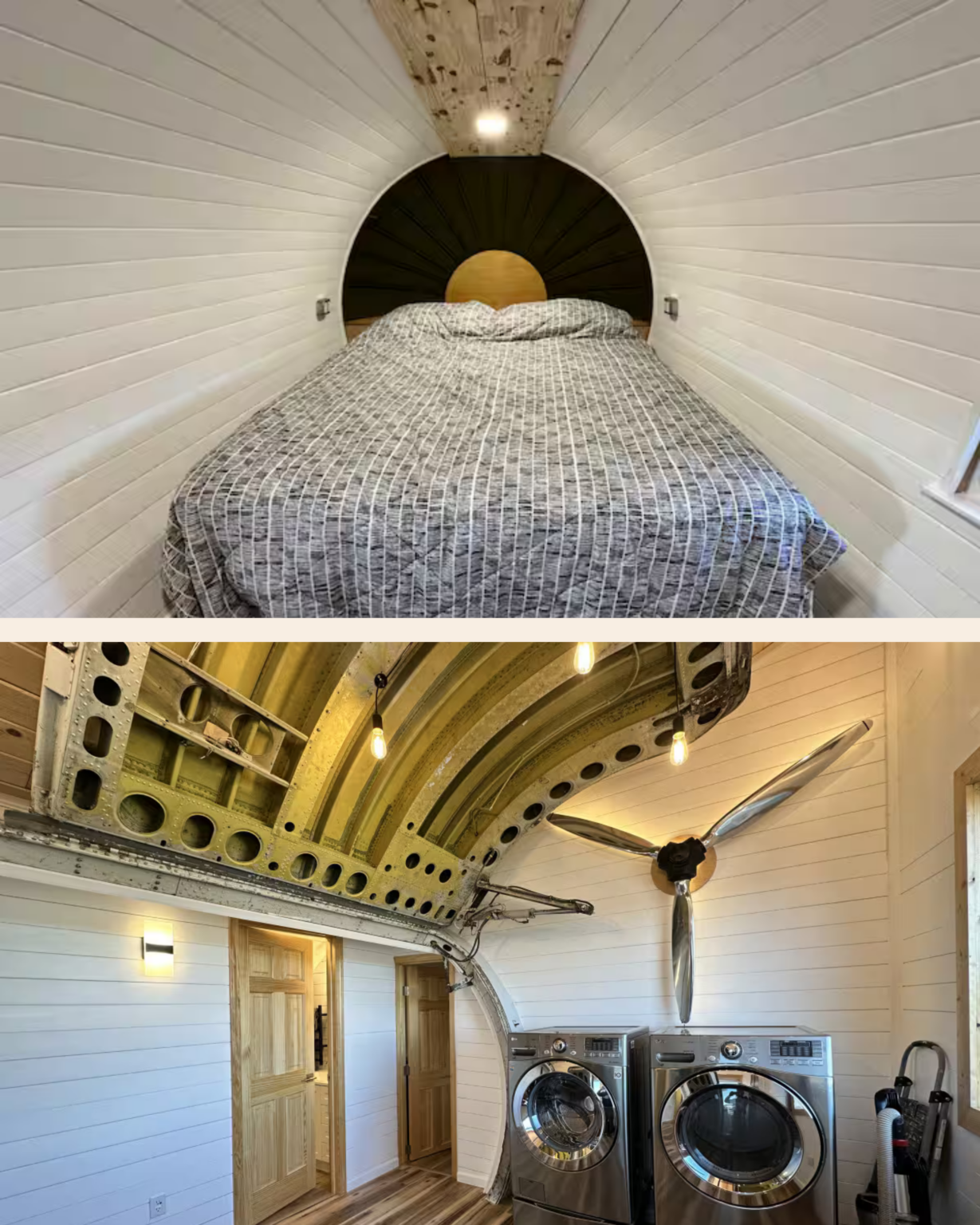
This is not a sleek resort object dropped into a view. It is a practical aircraft in a practical place, now adapted for something slower. Inside, the stay includes bedrooms, living space, a kitchen and access to the cockpit, which keeps the connection to the aircraft’s former life intact.
The appeal is partly nostalgia, but not in a sentimental way. Alaska is a place where aircraft still matter: for distance, access and everyday movement. Spending the night in a DC-6 there feels appropriate. It is comfortable, unusual and rooted in the landscape around it.
It also speaks to a different kind of aviation culture. In much of the world, aircraft are associated with speed, status or escape. In Alaska, they are often closer to infrastructure. They connect communities, move supplies and make difficult geography possible. That gives this stay a useful honesty. The aircraft is not simply being admired as an object. It is being understood as a tool that once did essential work.
For travellers who like the story behind a place, that matters. The DC-6 has the feel of something that has earned its retirement. The pleasure is not in excess, but in proximity: to the cockpit, to the aircraft’s working past, and to the particular independence that aviation still represents in Alaska.
BRISTOL, Boeing 727
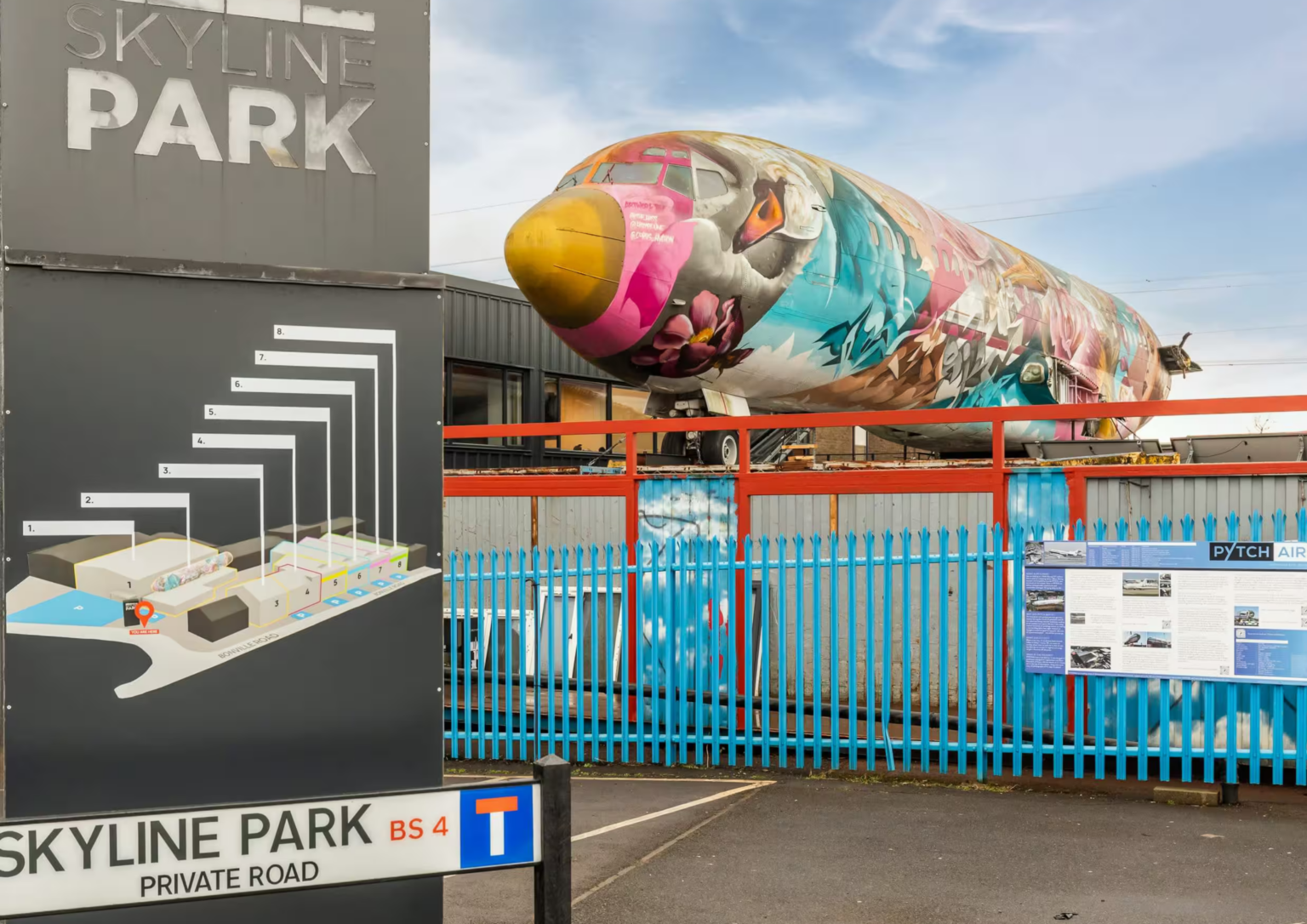
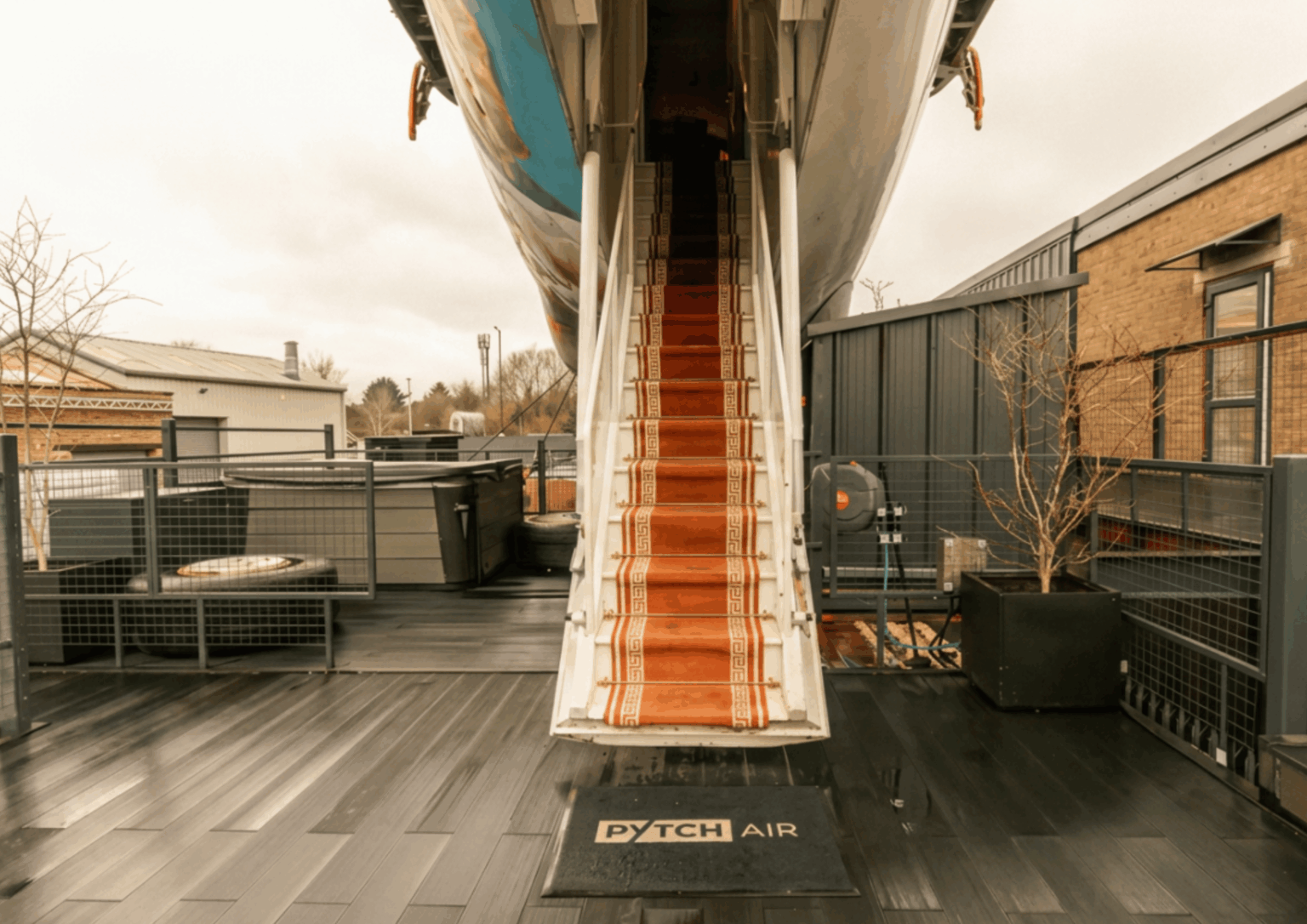
PYTCHAir in Bristol takes a Boeing 727 and gives it a second life above Skyline Park, a creative campus rather than an airport. That setting changes the tone immediately. The aircraft is not pretending to be remote or discreet. It sits in the city with confidence, part aviation object, part private stay, part conversation piece.
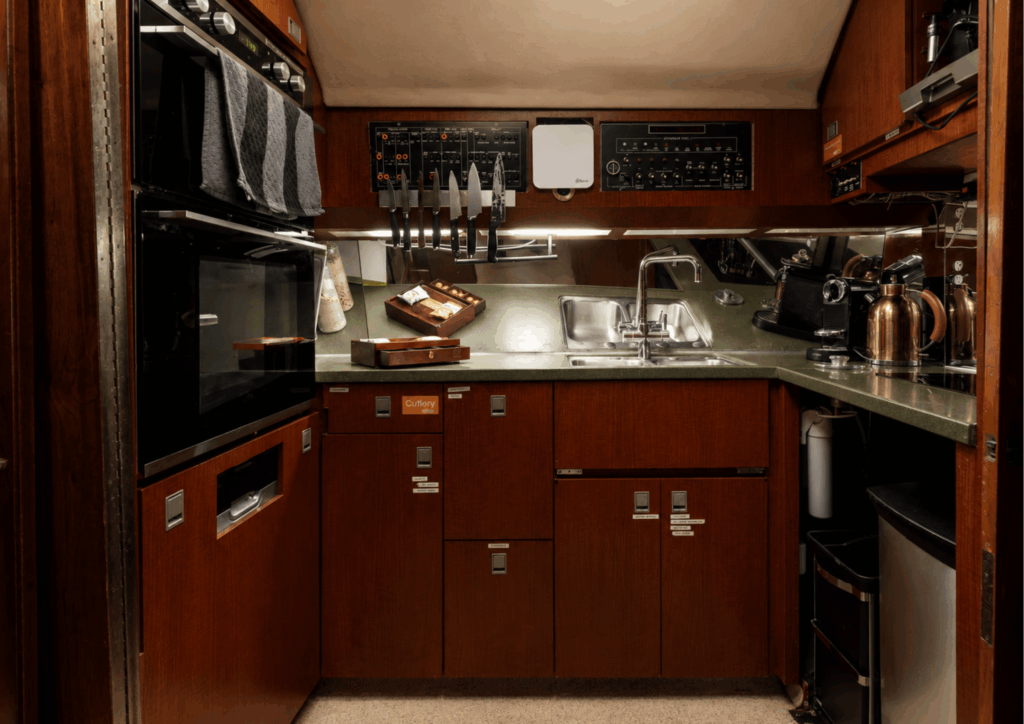
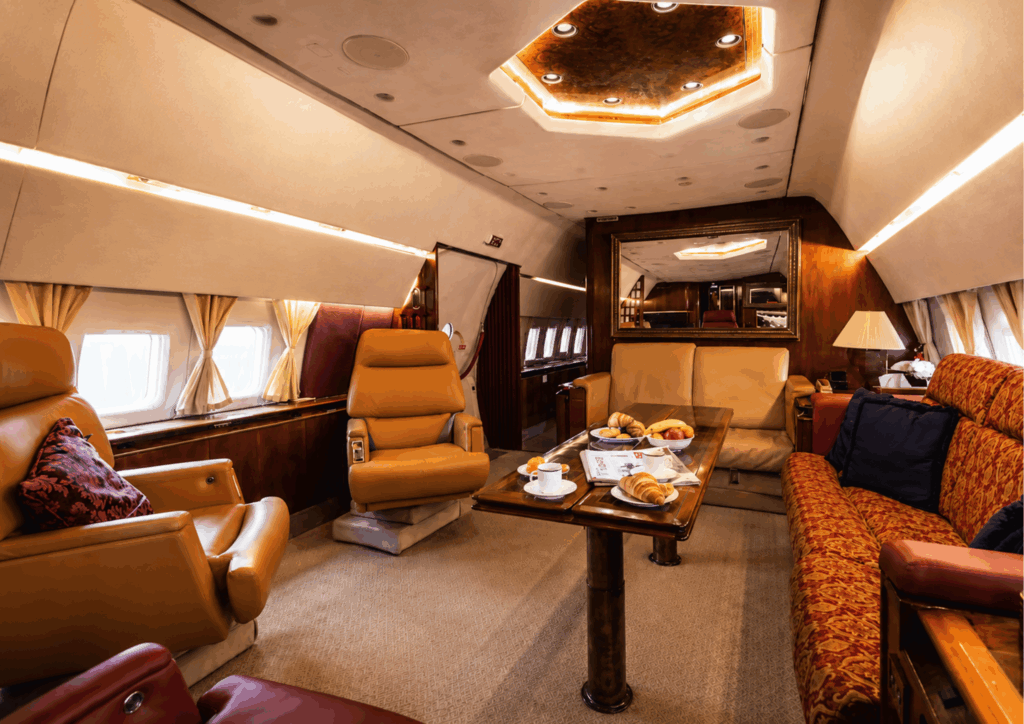
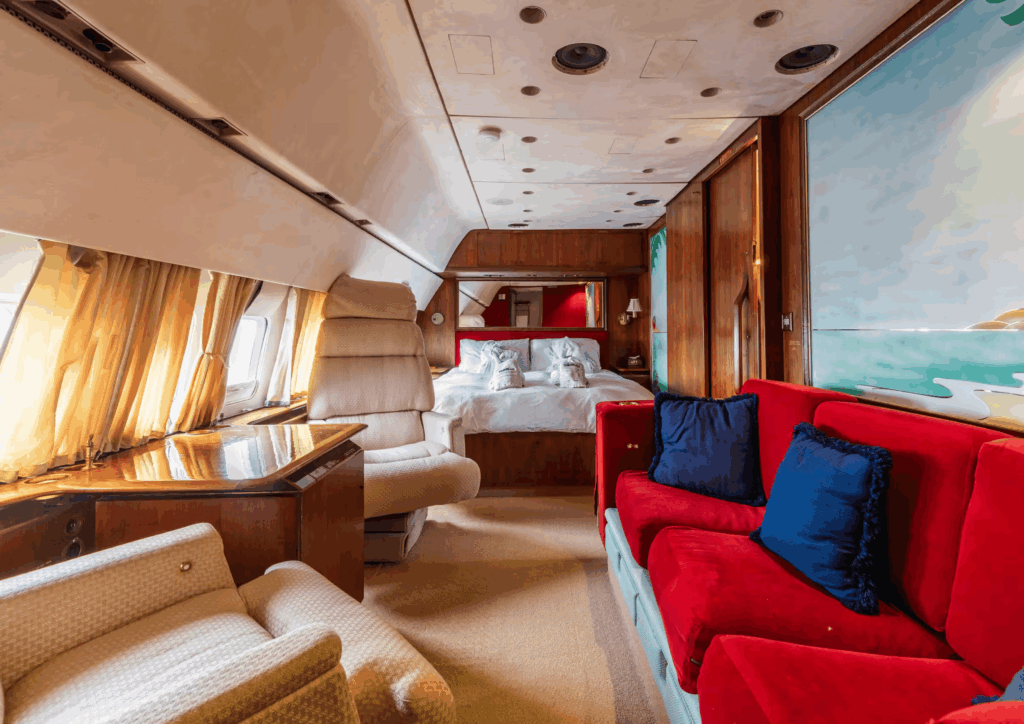
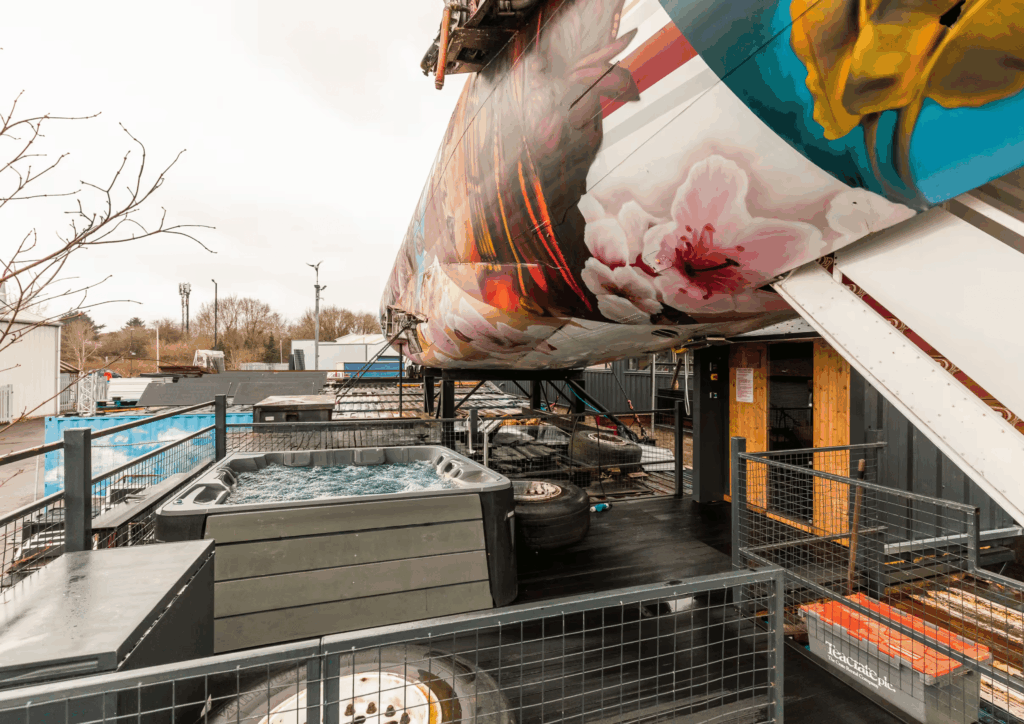
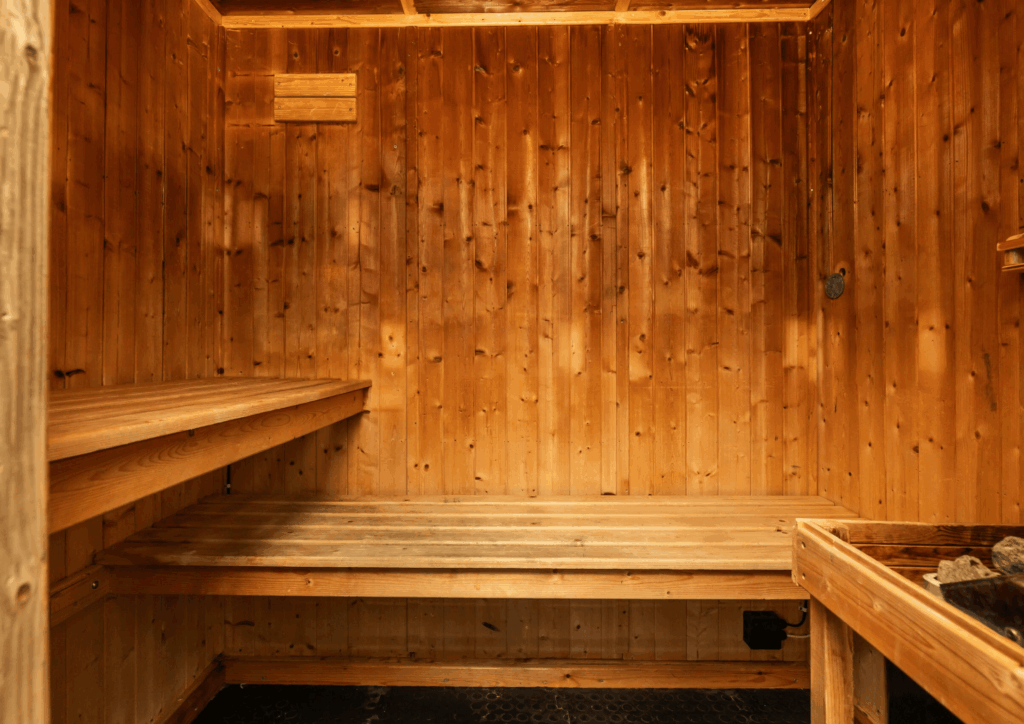
Inside, the experience leans into the aircraft’s private-jet character, with wood panelling, lounge space, cockpit access, bedrooms, a kitchen and entertaining areas. Outside, a deck, hot tub and sauna make it feel less like a museum and more like somewhere designed to be used.
It is probably the most social of the four. A place for a weekend, a small gathering, or simply the pleasure of staying somewhere with a story already built in. Not understated, exactly, but done with enough wit to carry it.
What gives Bristol’s version its appeal is the way it accepts the oddness of the idea. A Boeing 727 is not a subtle object. It has scale, character and a particular mid-century confidence. Rather than stripping that away, PYTCHAir keeps the mood intact and lets the aircraft’s former life shape the experience.
There is also something fitting about its placement in a creative district. The project feels less like a hospitality product and more like a reuse project with personality: part design exercise, part accommodation, part local landmark. It is the kind of place people book not only because they need somewhere to sleep, but because they want the stay itself to become part of the trip. That is the point, and PYTCHAir seems to understand it.
COSTA RICA, 727 Fuselage
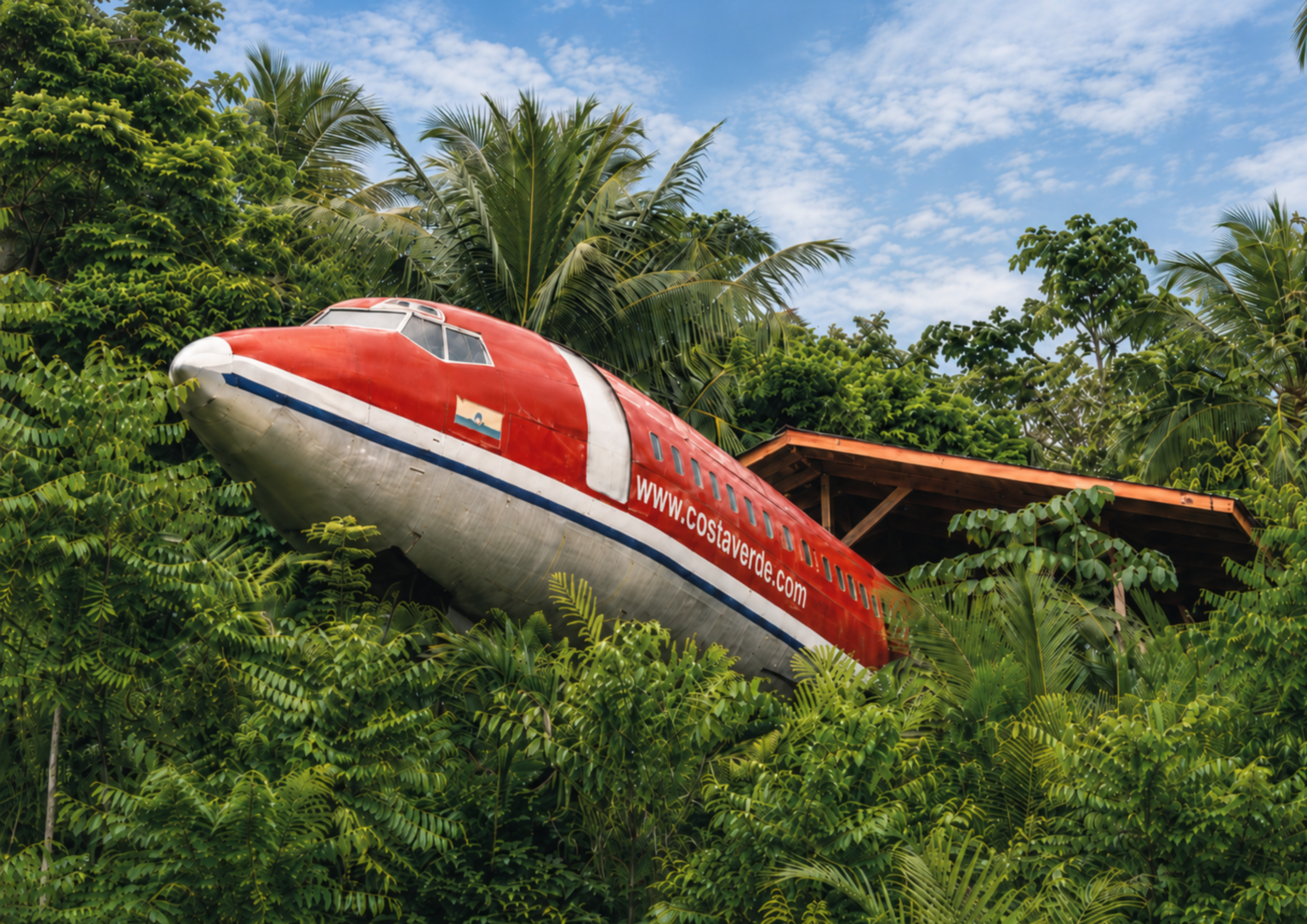
At Hotel Costa Verde near Manuel Antonio, a 1965 Boeing 727 fuselage sits among the rainforest canopy, looking out toward the Pacific. Of all the aircraft stays, this may be the one where the setting does the most work.
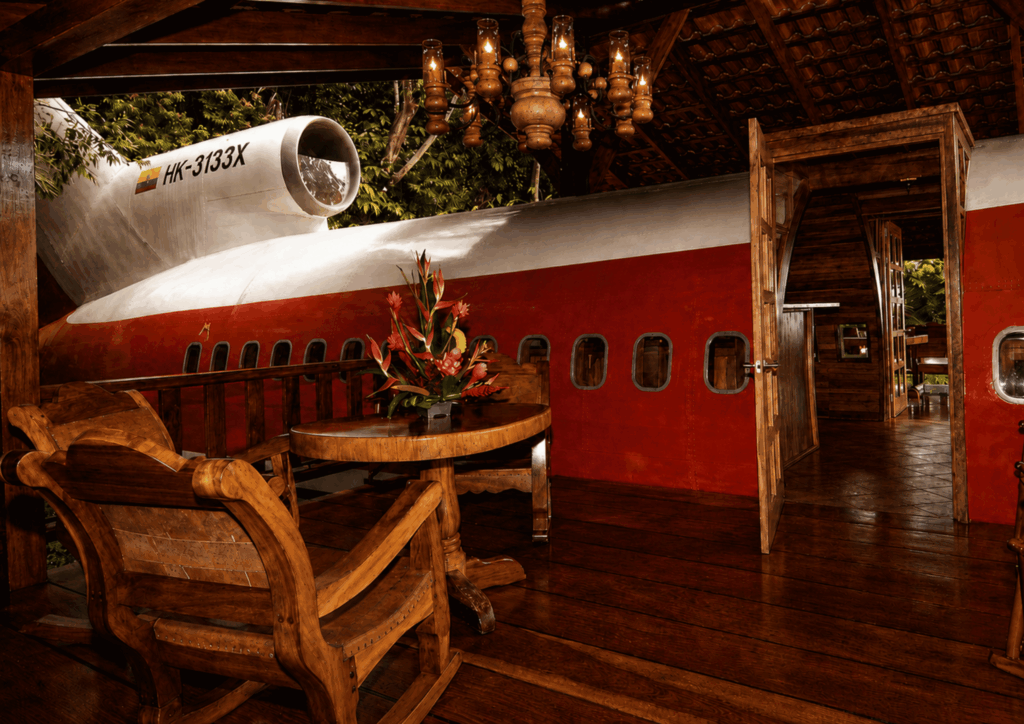
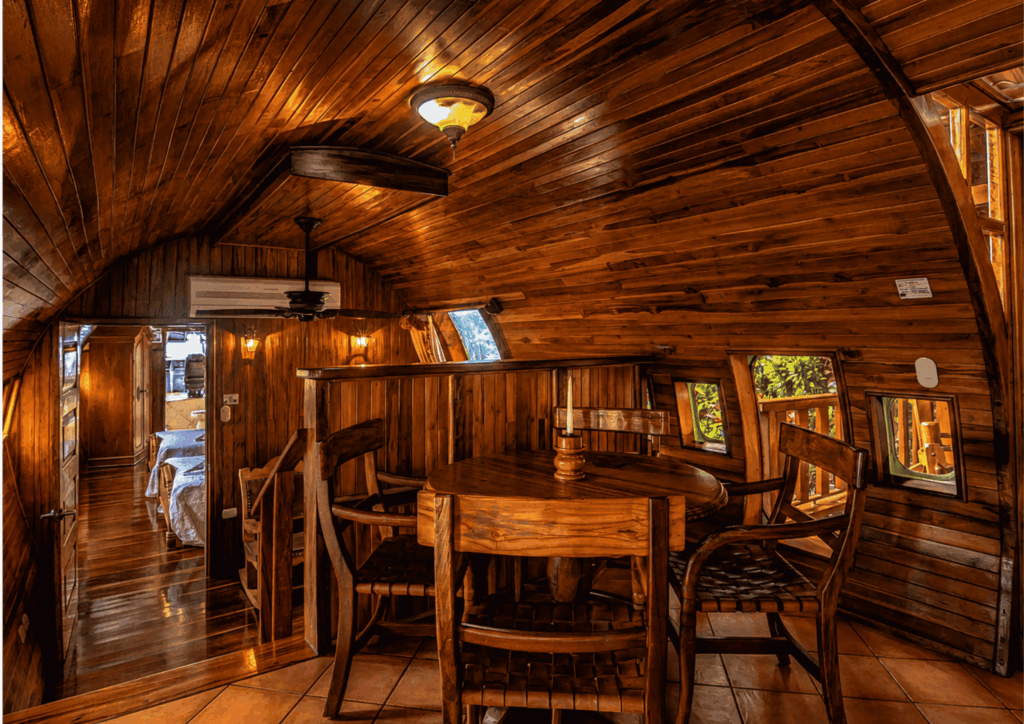
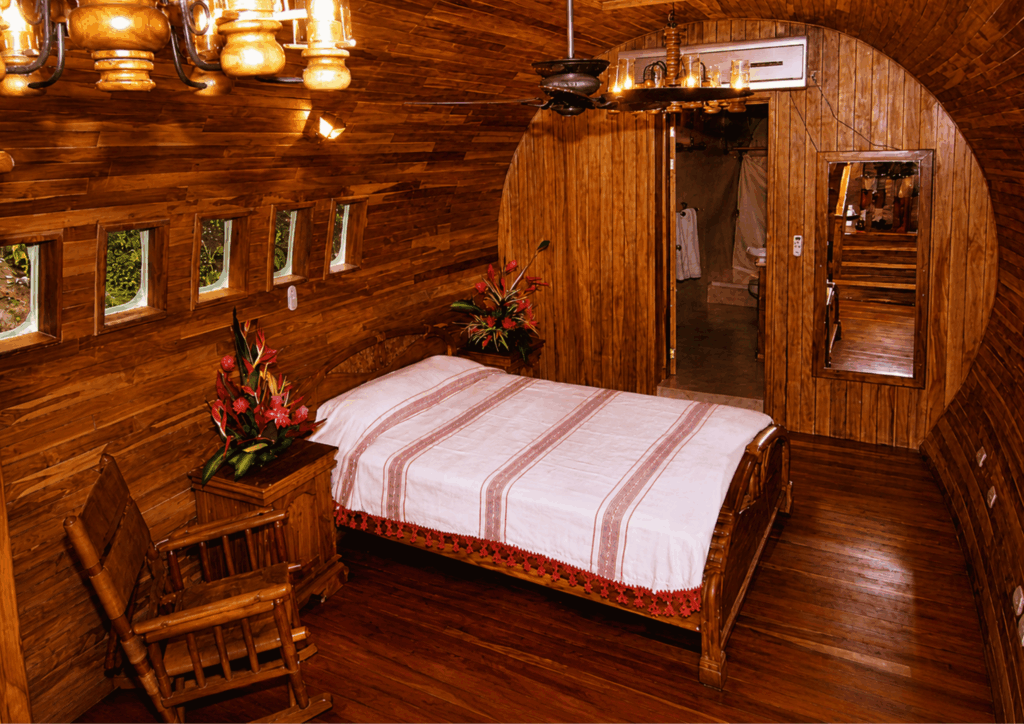
The aircraft has been converted into a two-bedroom suite with wood-lined interiors and terraces that open toward the jungle. The fuselage is still unmistakable, but it no longer dominates the experience. Instead, it becomes a frame for the landscape: trees close enough to feel part of the room, ocean beyond, wildlife in the surrounding canopy.
There is a pleasing ease to it. The aircraft gives the stay its identity, but the rainforest gives it atmosphere. It feels less like an aviation-themed hotel and more like a private hideaway that happens, improbably, to have once flown for a living.
The wood interiors are important here. They soften what could otherwise feel cold or overly literal. The result is closer to a treehouse than a cabin, with the aircraft’s windows and terraces drawing attention outward rather than inward. That makes the conversion feel less concerned with novelty and more concerned with place.
Costa Rica also changes the mood of the aircraft. A 727 fuselage that might feel severe on a tarmac becomes almost playful when set into the canopy. The surrounding landscape absorbs its scale. For guests, the experience is not simply “sleeping in a plane”. It is waking up above the rainforest, hearing the movement of the jungle outside, and realising the aircraft has become a viewing platform for everything around it.
After the Final Flight
What these stays share is not simply novelty. It is a sense that aircraft can keep a little of their magic after their flying days are over.
Some become villas. Some become rainforest suites. Some become urban retreats or Alaskan hideaways. The best keep enough of the aircraft intact to preserve its character, while giving it a new purpose that makes sense on the ground.
For private aviation travellers, there is something quietly appealing in that. Flight does not always have to end at arrival. Sometimes, in the right setting, the aircraft becomes the destination.