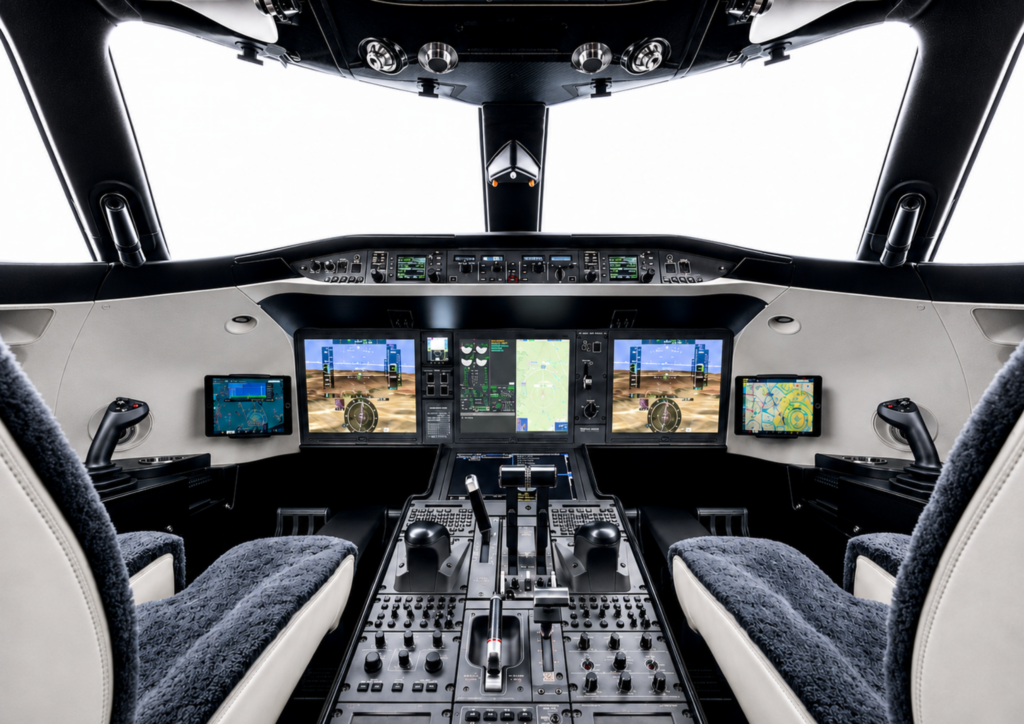
The Bombardier Global 8000 arrives with the kind of numbers that make it easy to write about in superlatives. But it has a soul beyond the headline metrics.
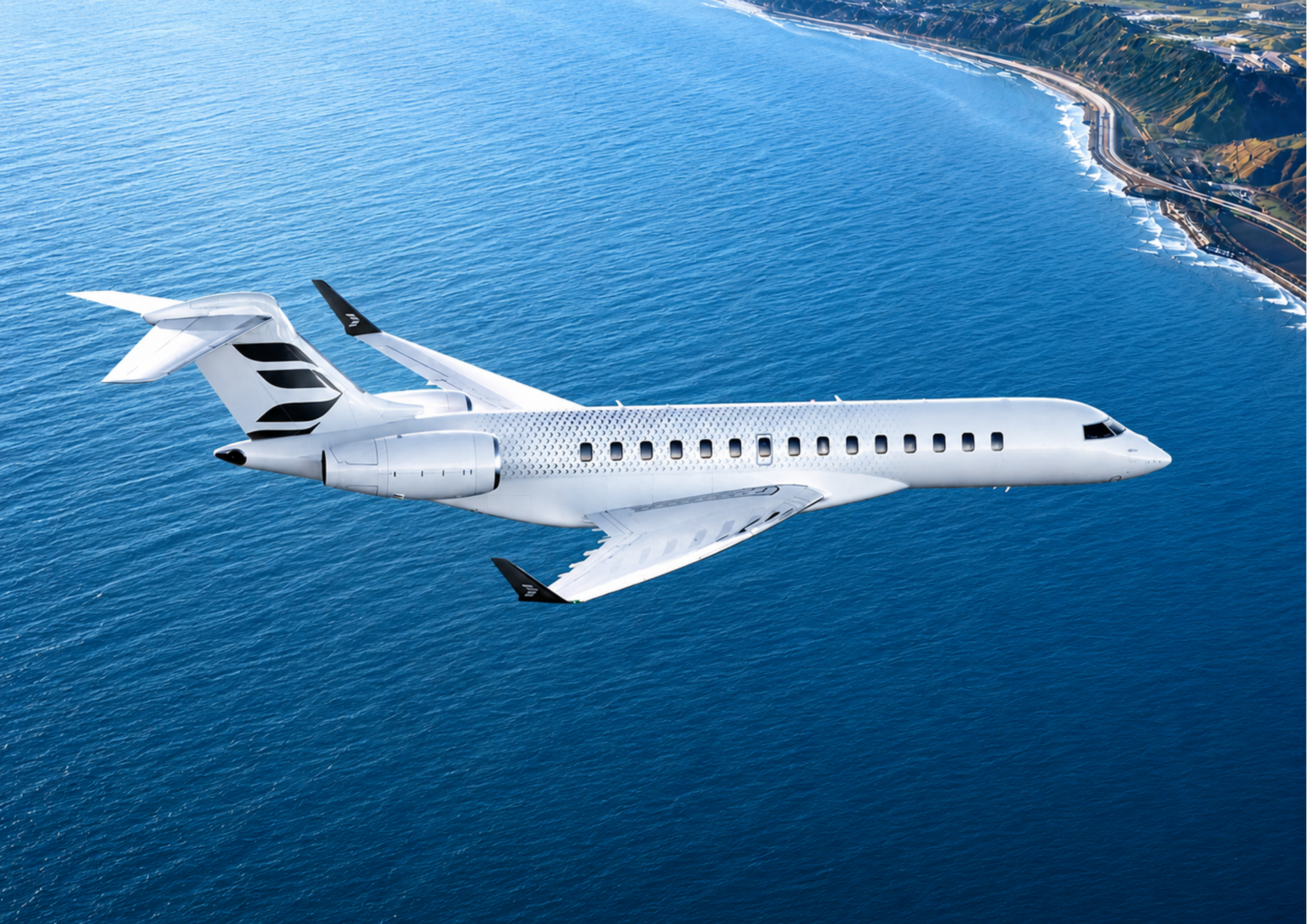
The Bombardier Global 8000 has arrived with numbers that are difficult to ignore: Mach 0.95, 8,000 nautical miles of range, and the distinction of being the fastest civil aircraft since Concorde.
Those details matter, of course. They place the aircraft firmly at the top end of long-range private aviation. But for many people who fly privately on a regular basis, the more interesting question is not simply how fast or how far an aircraft can go. It is what the aircraft makes easier.
That is where the Global 8000 becomes more relevant.
It is not a completely new idea of private aviation. It is closer to an extension of what private aviation already does well: reducing friction, protecting time, making complicated journeys feel more manageable, and allowing passengers to travel in a way that feels shaped around them.
A Longer Reach
Range is often spoken about in technical terms, but its value is very human. A longer-range aircraft can remove a stop that would otherwise break up the journey. It can make a demanding itinerary feel more straightforward. It can allow someone to leave later, arrive earlier, or avoid building an entire day around the logistics of travel.
With a stated range of 8,000 nautical miles, the Global 8000 is designed for those longer, more complex routes where direct travel can make a real difference. For clients travelling between major global cities, that reach is less about the figure itself and more about the simplicity it creates. There are fewer interruptions. Fewer moving parts. Fewer moments where the journey has to be rearranged around the limitations of the aircraft. That is often where private aviation is most valuable.
In real world terms, that means direct flights from New York to Singapore, LA to Sydney, or London to Perth.
Speed, in Context
The Global 8000’s speed has naturally attracted attention. At Mach 0.95, it is positioned as the fastest civil aircraft since Concorde, which gives it an immediate place in the wider aviation conversation.
But speed, on its own, is rarely the whole reason someone chooses to fly privately.
The time saved in the air may be meaningful, particularly on longer routes, but the broader advantage is usually found across the entire journey. It is the ability to use a private terminal, depart on a more suitable schedule, arrive closer to the final destination, and avoid the waiting and complexity that often surround commercial travel.
In that sense, the Global 8000 is not compelling because it is fast in isolation. It is compelling because its speed sits within a wider private aviation experience that is already built around efficiency, privacy and control.
The Cabin as Part of the Journey
On a short flight, comfort is important. On a long flight, it becomes central to the experience.
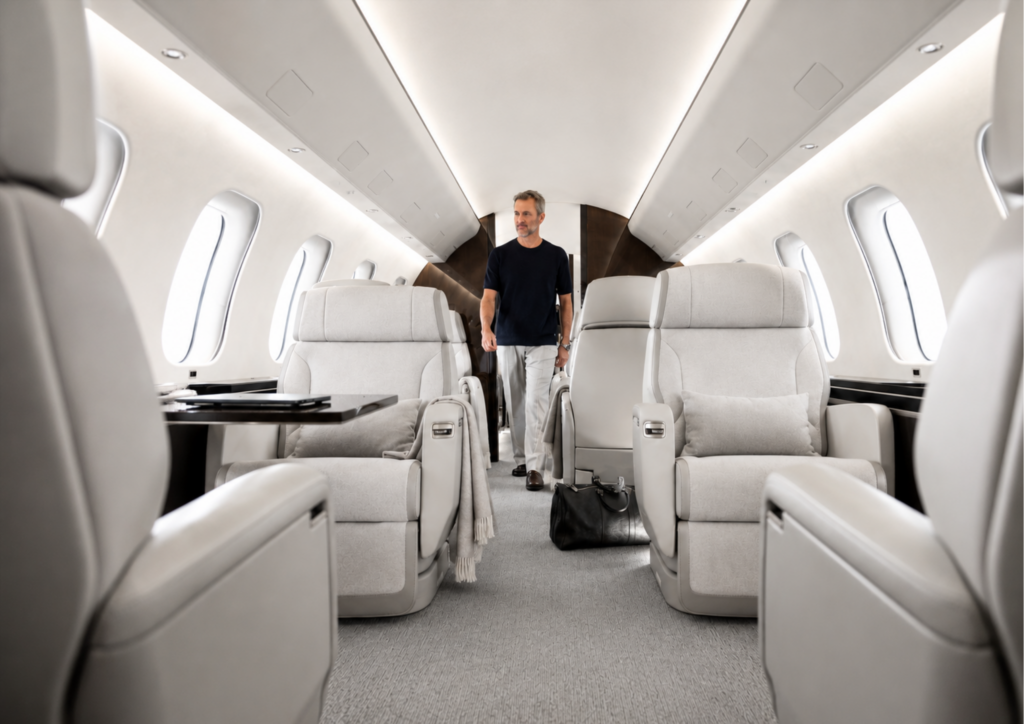
This is especially true at the ultra-long-range end of the market, where the cabin is not simply somewhere to sit for a few hours. It becomes a place to work, dine, rest, speak privately, change rhythm, and prepare for arrival.
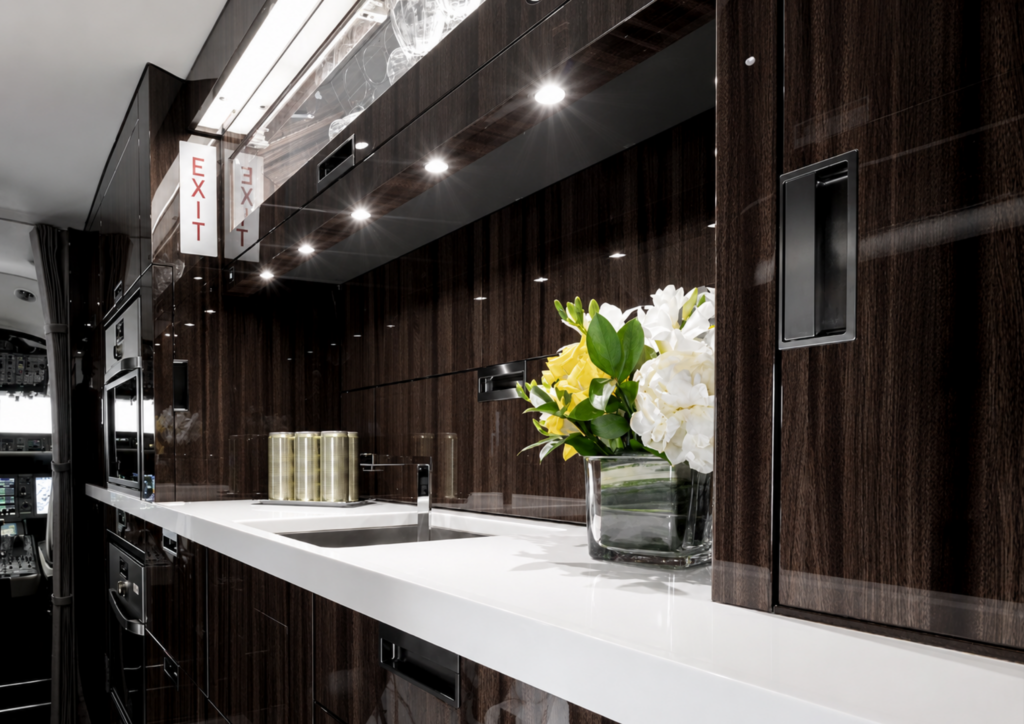
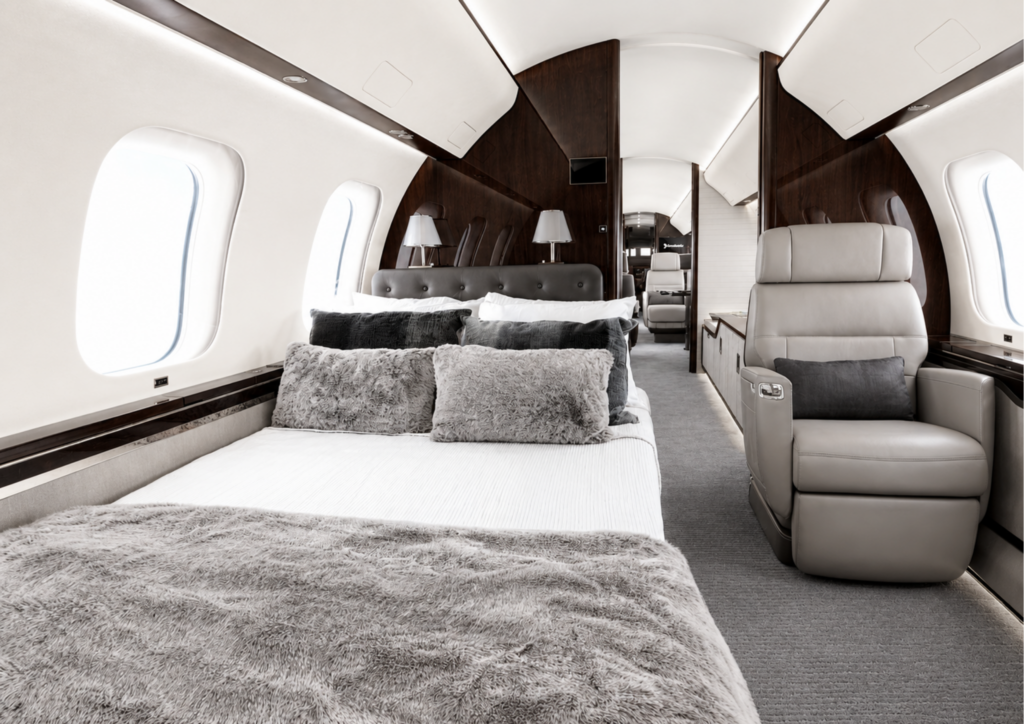
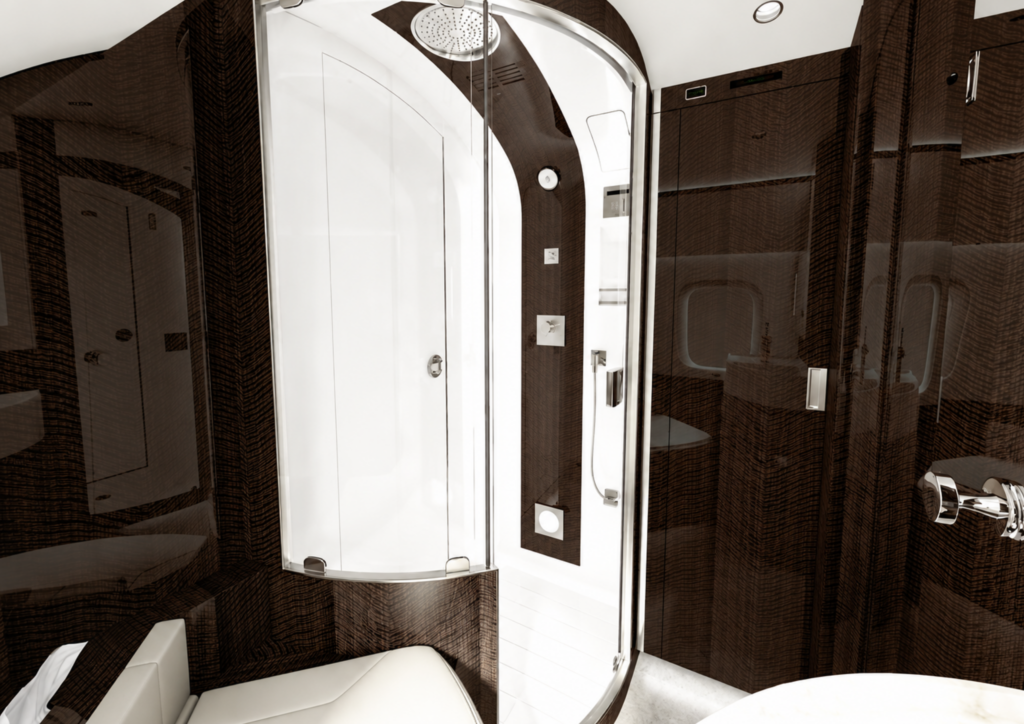
The Global 8000 has been designed with that in mind. Its four living areas, dedicated suite, full-size bed, dining space and optional shower are all features that recognise how much life happens onboard during a long journey.
These details can sound luxurious when listed individually, but their real value is practical. They help the cabin function more naturally over time. They give passengers more space to move between different parts of the journey, rather than experiencing the entire flight in one fixed mode.
For frequent long-range travellers, that distinction matters.
Refinement Rather Than Reinvention
The Global 8000 is perhaps best understood as a refinement rather than a revolution.
It does not change the core purpose of private aviation. Instead, it builds on familiar advantages and pushes them slightly further: more range, more speed, more cabin flexibility, and a better sense of how passengers actually use the aircraft over long distances.
That makes its appeal quieter than the headline numbers might suggest.
It is not only an aircraft for people interested in aviation milestones. It is an aircraft for people who understand the value of arriving with the day still intact. Less interrupted. Better rested. More in control of the schedule.
In private aviation, those details are often more important than the superlatives.
Why It Matters
The Global 8000 matters because it reflects where long-range private travel continues to move.
The emphasis is no longer only on performance. It is also on how well an aircraft supports the passenger’s time, privacy and energy across the whole journey. A faster aircraft is useful. A longer-range aircraft is useful. But the real value comes when those qualities work together with a cabin that makes the hours onboard feel considered rather than simply endured.
For Private Jet Club clients, that is the more relevant story.
The Global 8000 is not just about flying faster or further. It is about making long-distance travel feel more direct, more comfortable and less disruptive. It is a considered evolution of what private aviation already promises: the ability to move through the world with greater ease.