
Destination Notes: Telluride, Colorado
Colorado is one of the most requested destinations we fly to. Members return year after year, some for the skiing, others for the summers, and a few who have quietly made it a second home. Here are some destinations and experiences worth considering if you’re planning a trip.
The mountains
Aspen remains the benchmark. Four mountains, world-class terrain, a town that has earned its reputation and kept it. The approach into Aspen-Pitkin County requires more care than most American airports, altitude and weather are real factors, but for experienced crews it is routine, and the tradeoff is arriving fifteen minutes from the mountain. We fly members there throughout the season. The Little Nell, Aspen’s only ski-in ski-out hotel and its sole Forbes Five-Star property, sits at the base of the gondola and remains the standard by which most things in town are measured. One other reason to consider the summer: the Aspen Music Festival runs July 1 to August 23, now in its 77th year, drawing Renée Fleming, Emanuel Ax, Joyce DiDonato and others for eight weeks of classical music and fully staged opera in the mountains.
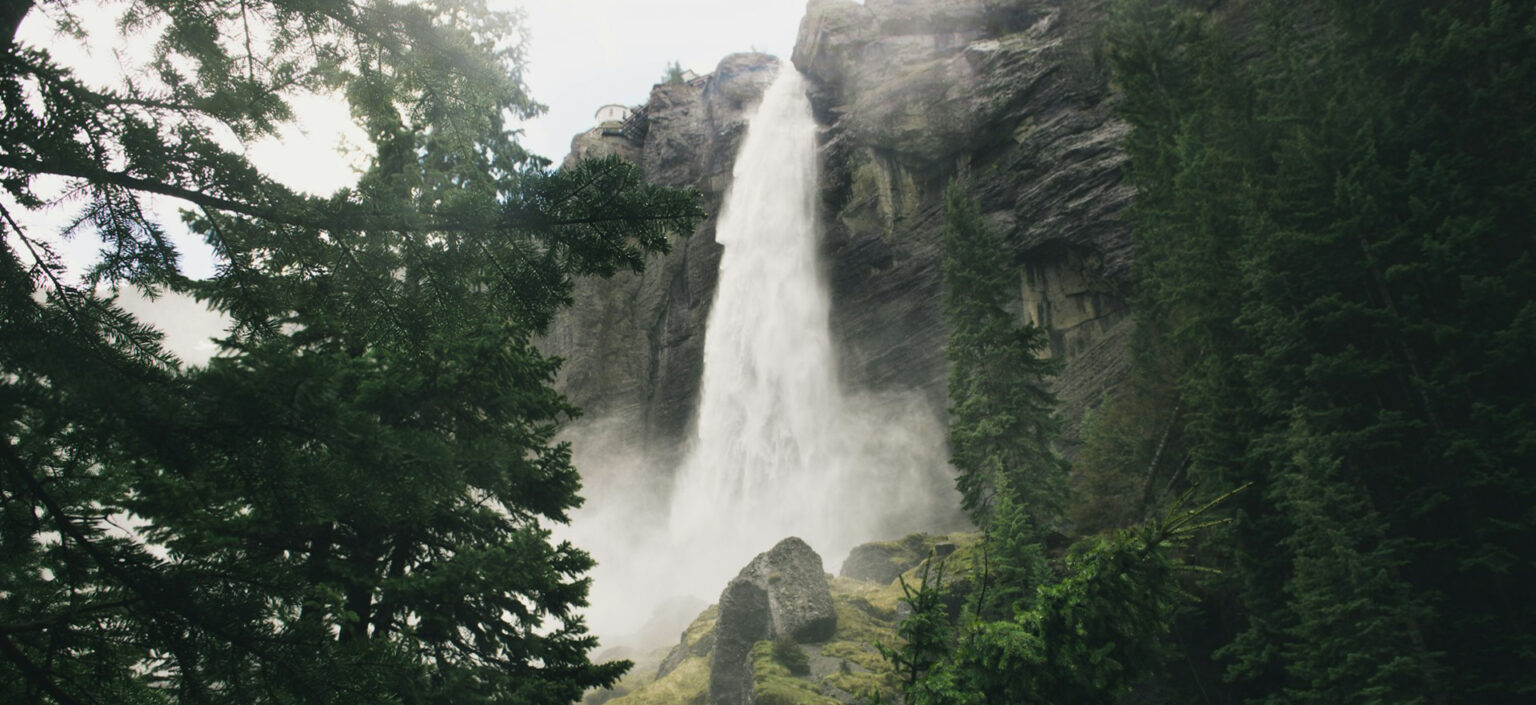
Telluride is a different proposition. Sitting in a box canyon in the San Juan Mountains, it has terrain that serious skiers rate alongside anything in Aspen, a town that has retained a character the more famous resorts have largely traded away, and no direct commercial flights. That last point is either an inconvenience or the point, depending on how you travel. For those flying privately, it resolves itself: land at Telluride Regional, transfer directly, arrive before the lifts open. The lack of through traffic is structural, and it shows in the atmosphere on the mountain and in town. The Madeline Hotel and Residences, part of the Auberge Collection, is the place to stay.
The San Huans, Off piste
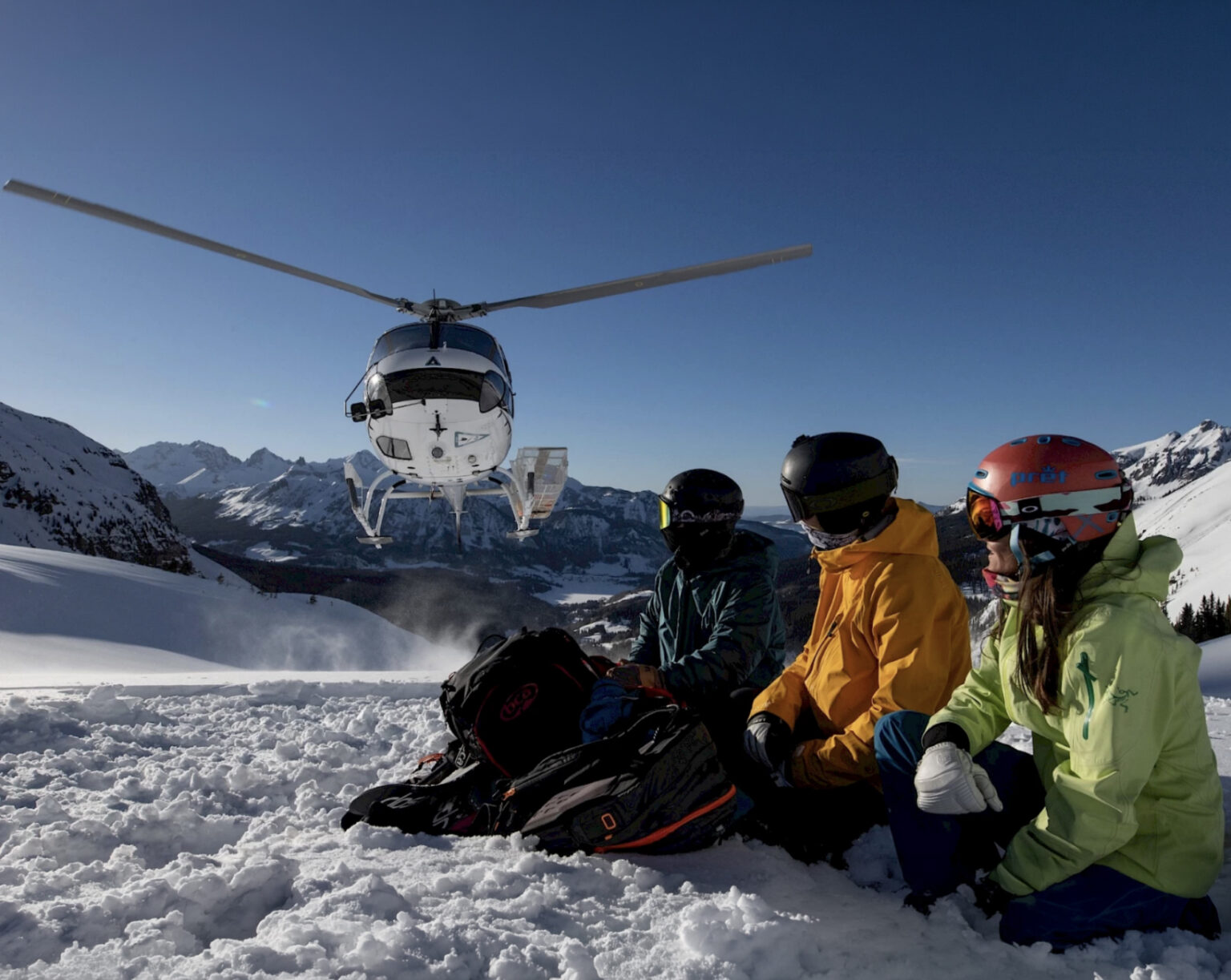
For those who want to get beyond the resort boundary entirely, Helitrax has operated in the San Juan Mountains since 1982 and knows the terrain better than anyone. Two options worth knowing about. Heli-skiing drops small groups into 200 square miles of untracked backcountry via helicopter, six runs and up to 14,000 vertical feet in a day. Guided backcountry touring is the lower-key alternative, a Helitrax guide, skinning uphill through the San Juans, terrain and snow conditions matched to the group. Both include avalanche orientation and full safety equipment. The season runs through early April, with spring conditions in the San Juans often among the best of the year. Worth knowing about for the remainder of this season and worth planning around for next. They also run transfers to and from Dunton Hot Springs, which connects neatly with a stay there.
Dining
Colorado’s culinary scene has moved quickly in the past three years. The arrival of the Michelin Guide in 2023 accelerated something that was already happening, and the 2026 edition expands coverage statewide for the first time, meaning restaurants that have been quietly excellent for decades are now formally in the frame. When the Guide launched in Colorado, only five restaurants in the state received stars. Three years later, there are nine, including the state’s first two-star restaurant. That trajectory is unusual. Denver in particular is producing serious food at a pace that surprised even the Guide’s own inspectors. longer there. It is the only Michelin-starred restaurant in Aspen, and the one that locals tend to point to when the conversation about Aspen food gets serious. In 2025 it received the Michelin Sommelier Award alongside retaining its star, making it the only non-Denver restaurant to receive a special distinction that year. Small, hard to book, and not the kind of place that needs to advertise itself.
Bosq, Aspen
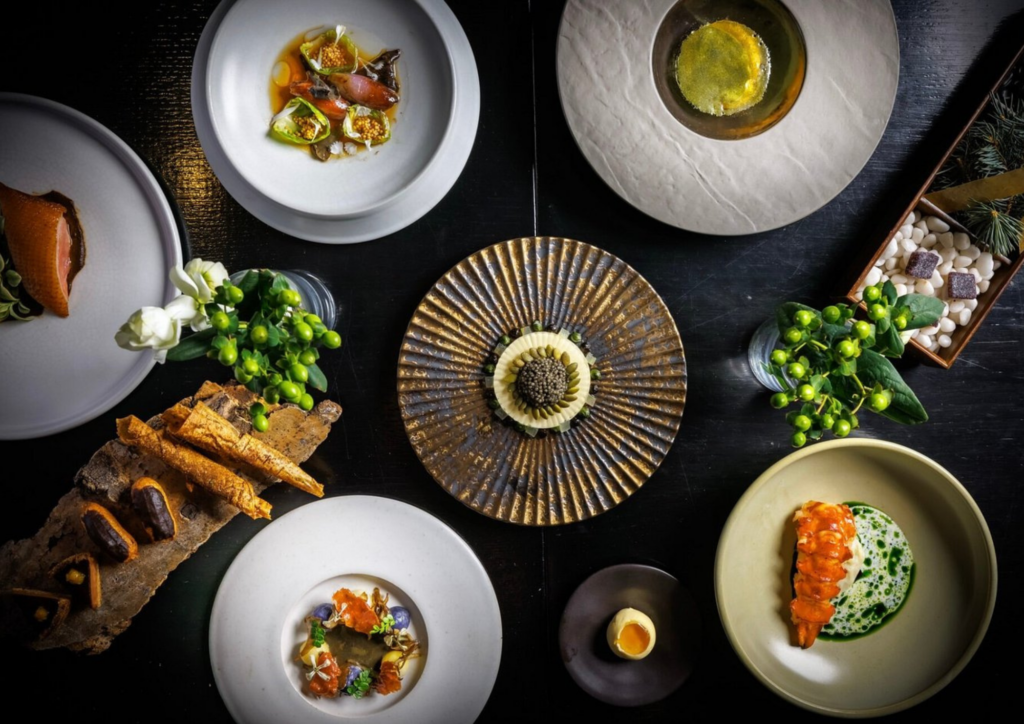
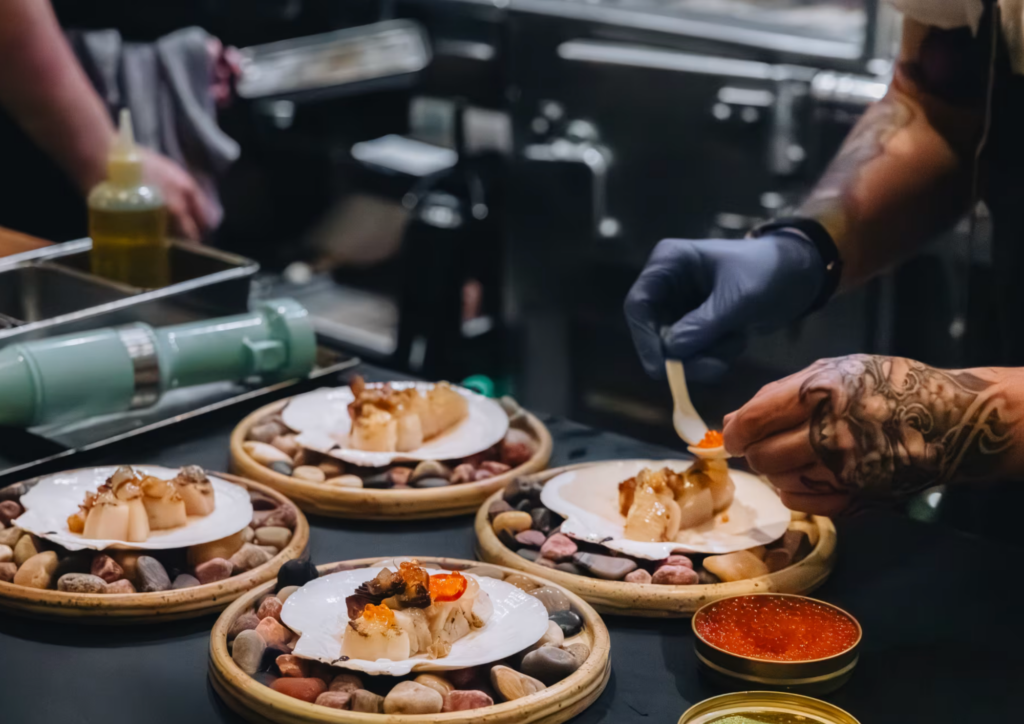
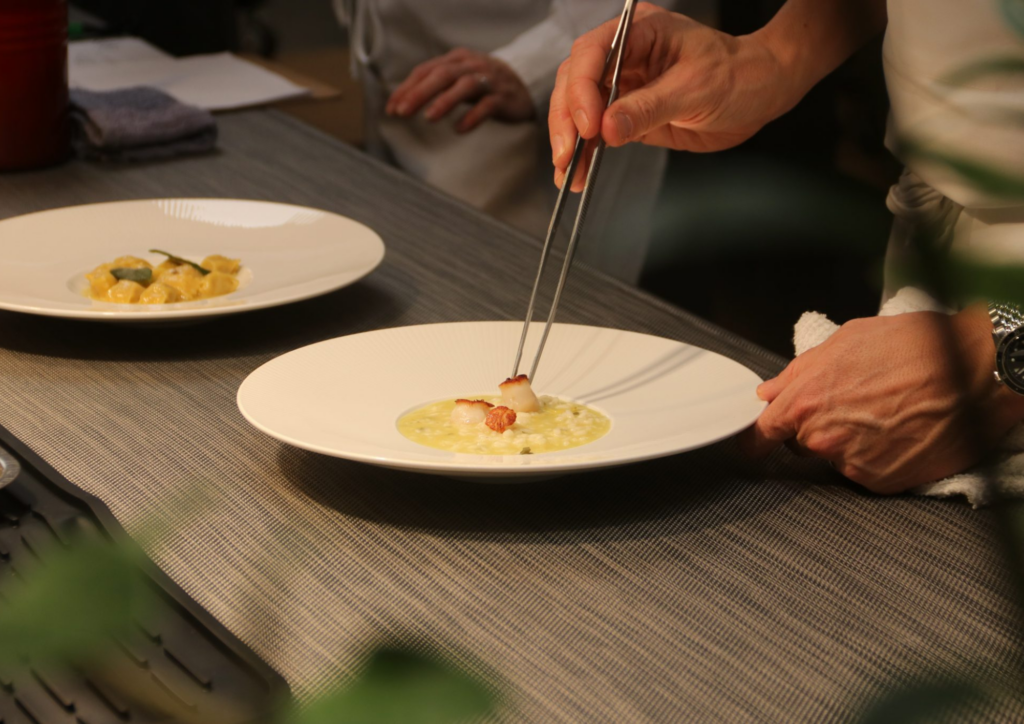
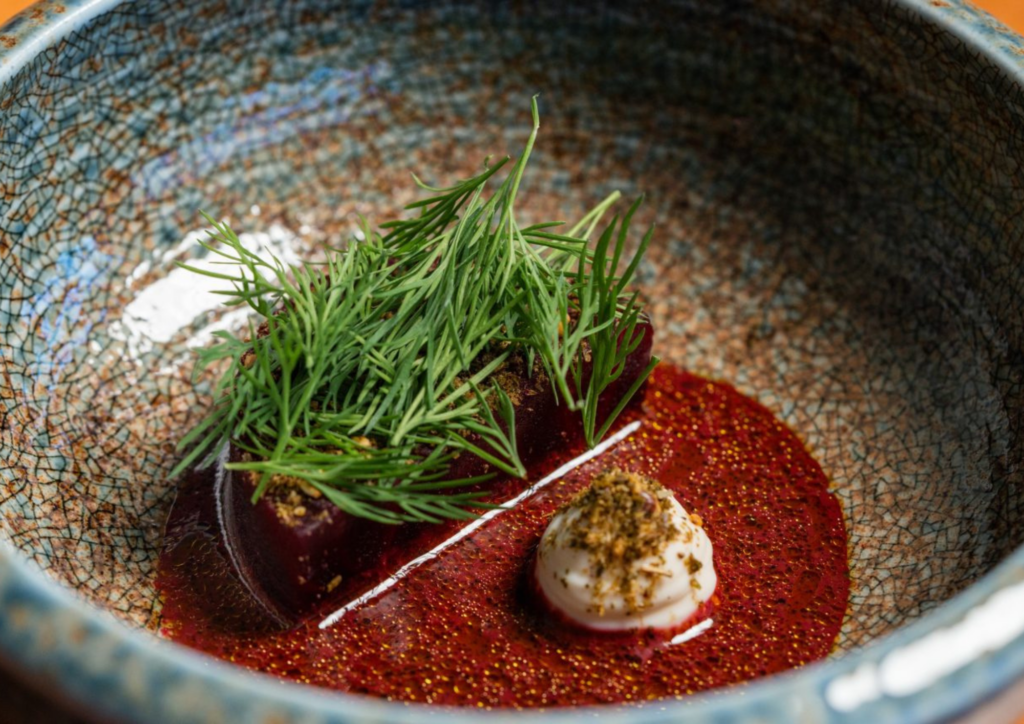
Chef Barclay Dodge grew up in the Roaring Fork Valley and has never really left, in the way that matters. He cooks what the mountain produces, foraged, seasonal, specific to where he is, and the result is a menu that changes not because menus are supposed to change, but because the ingredient driving it is no longer there. It is the only Michelin-starred restaurant in Aspen, and the one that locals tend to point to when the conversation about Aspen food gets serious. In 2025 it received the Michelin Sommelier Award alongside retaining its star, making it the only non-Denver restaurant to receive a special distinction that year. Small, hard to book, and not the kind of place that needs to advertise itself.
The Wolf's Tailor, Denver
One of only 34 restaurants in the United States with two Michelin stars, and the only one in Colorado. Chef Taylor Stark builds an omakase-style multicourse tasting menu from culinary influences that span Colorado and well beyond. A Berkshire pork dumpling with turmeric and dill broth sits in the same meal as bison loin with dried shrimp caramel. The kitchen runs on a zero-waste philosophy that earned it a Michelin Green Star alongside its two culinary stars. Dining options include the main room, a garden, and private heated outdoor tents. The tasting menu is the only option. Denver, not the mountains, but worth the trip for anyone spending time in the city.
Frasca Food and Wine, Boulder
The classical option, and by most measures the most decorated restaurant in Colorado. Opened in 2004, Michelin-starred, and winner of the 2025 James Beard Award for Outstanding Restaurant in the United States, one of only five restaurants nationally nominated. Robb Report named it one of the 25 greatest restaurants of the 21st century. Founded by Master Sommelier Bobby Stuckey and Chef Lachlan Mackinnon-Patterson, it tells the story of a specific corner of northeastern Italy, Friuli-Venezia Giulia, through Colorado ingredients. The wine programme is among the best in the country.
Margot, Denver
The more recent story. Chef Justin Fulton spent three years running Margot as a respected pop-up before opening a permanent eight-seat chef’s counter in June 2025. A Michelin star followed three months later. The tasting menu is hyper-seasonal and changes with what Fulton finds at market. One detail that has stayed with every reviewer: individual loaves of olive oil brioche, baked fresh during the meal and delivered to each guest as their own course. A Colorado-born chef who trained in New York and came home. $165 per person at the counter.
off the circuit
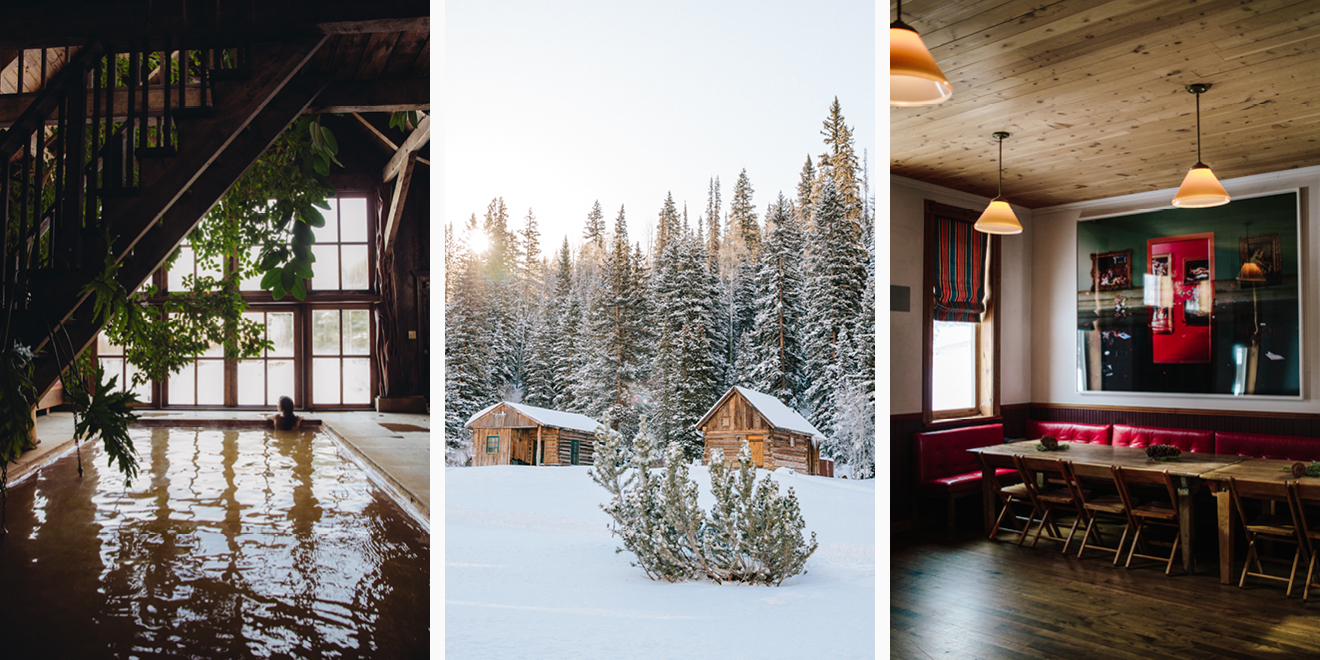
If you want something quieter, more rugged, and genuinely removed from the resort circuit, Dunton Hot Springs is worth visiting. It sits in a box canyon in the San Juan Mountains, about 35 miles from Telluride. It was a silver mining town in the 1880s. Christoph Henkel, one of the owners behind Amangiri, bought the town in 1994 and restored it into what is now Dunton Hot Springs, thirteen log cabins furnished to a standard that quietly contradicts everything the setting implies. Hand-hewn timber, natural hot springs, a kitchen producing food that has no business being this good given the altitude and the remoteness. Four miles downriver, Dunton River Camp is a separate property entirely, eight luxury canvas tents, maximum sixteen guests, beside the West Fork of the Dolores, open June through mid-October.
The main property accommodates up to 44 guests across those cabins. It can also be taken entirely. A full buyout means all thirteen cabins, the saloon, the hot springs, nine miles of private fly fishing water on the West Fork of the Dolores River, horseback riding through the San Juans, and backcountry heli-skiing in winter. No shared anything. The Michelin Guide awarded Dunton Hot Springs two Michelin Keys in 2025, placing it among the finest hotels in Colorado. It is the kind of place that was not originally intended for the public and still carries that feeling.
Telluride Regional Airport is the closest point of entry. We handle the routing and logistics from there.
The mountains will be at their best from late May onwards. If Colorado is on your radar for the coming months, or if you have recommendations of your own worth sharing, we’d love to hear from you.