
Five Summer 2026 Events Worth the Jet Fuel
Every summer offers more than anyone could sensibly attend. The calendar fills with finals, festivals and openings, each billed as unmissable, and most of them can in fact be missed. These five are worth the jet fuel.
Wimbledon
London. June 29 to July 12.
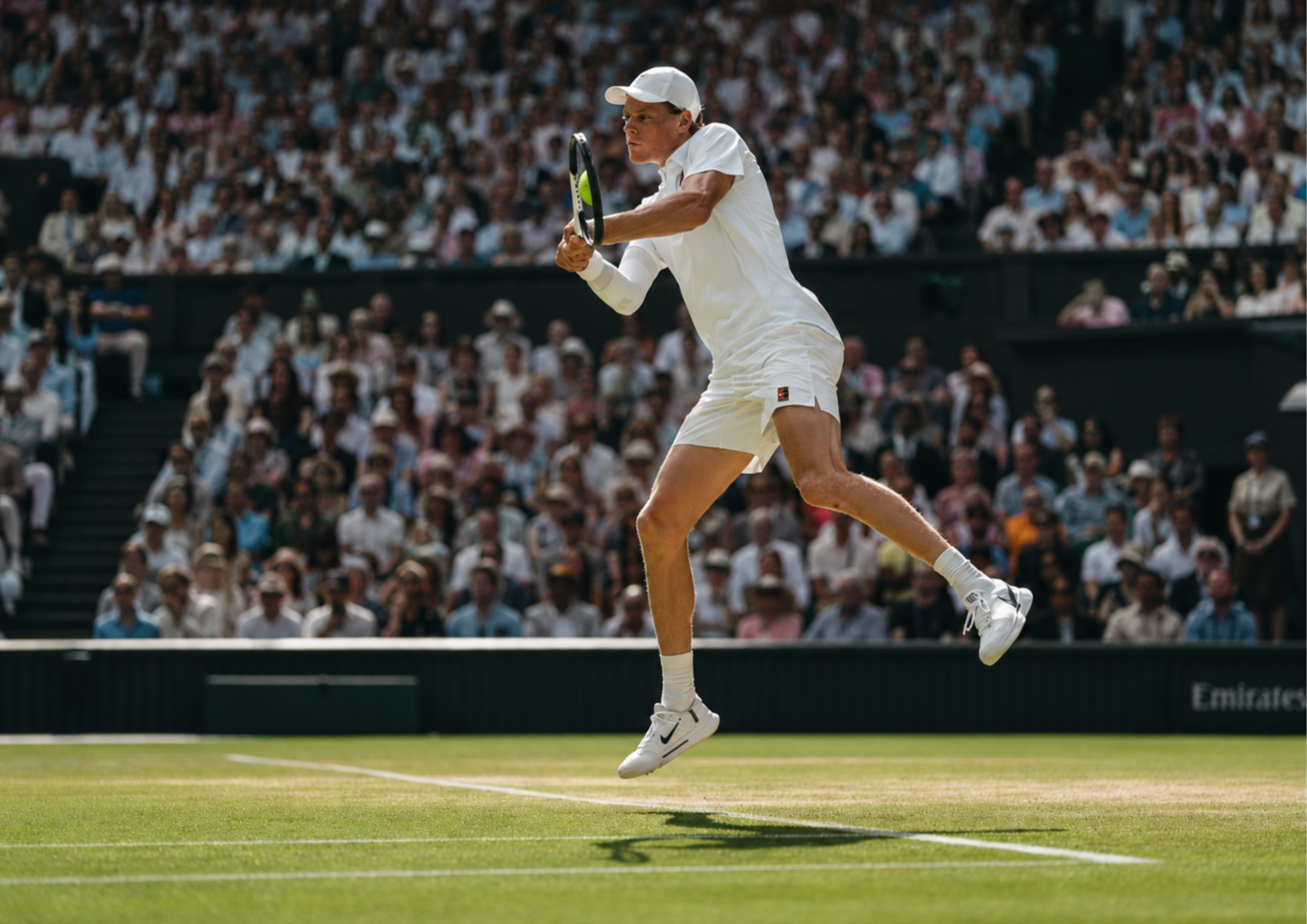
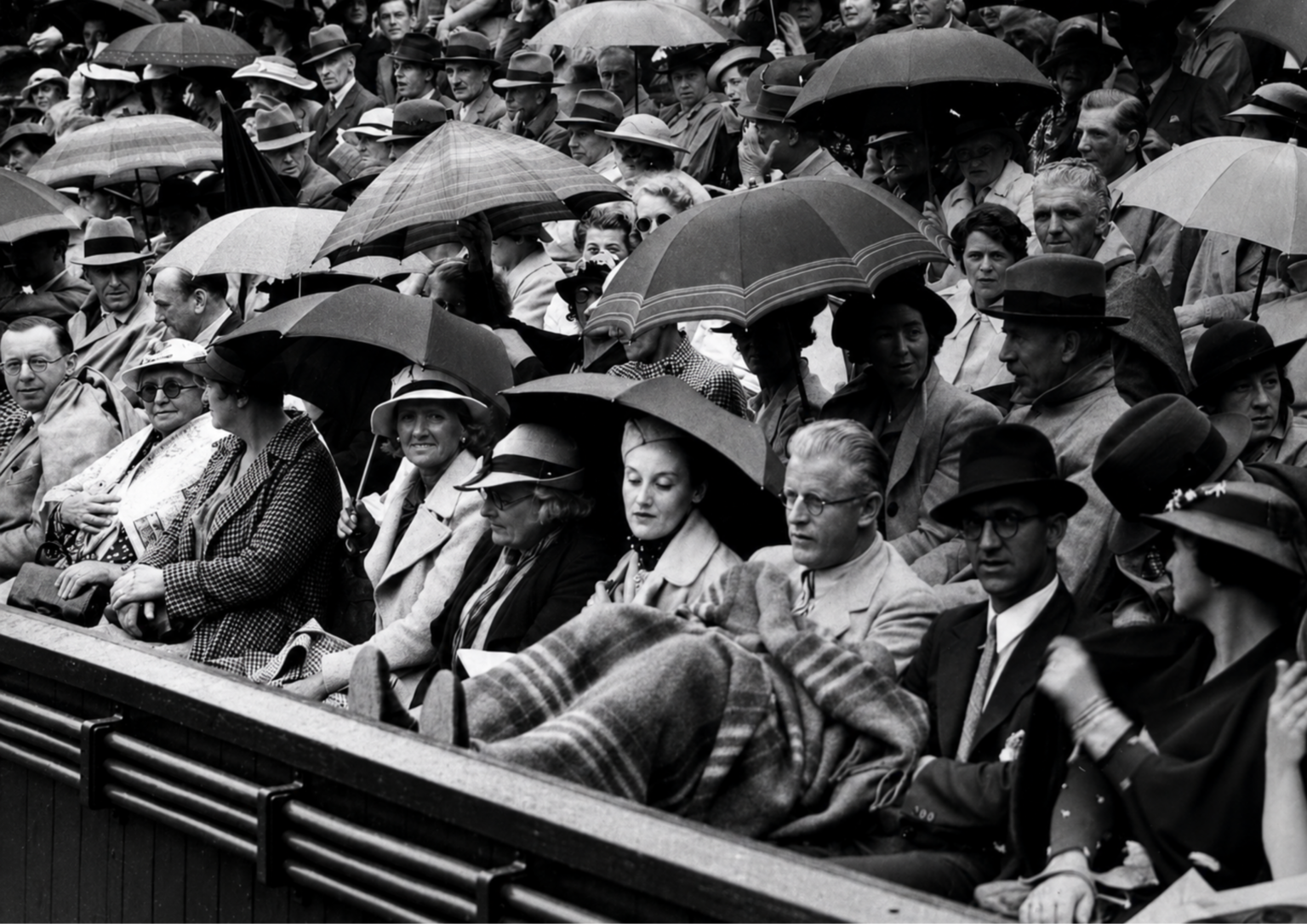
The remarkable thing about Wimbledon is how little it has changed. It is the oldest tournament in tennis and the last of the four majors still played on lawn, and it has kept its rituals intact while the sport around it transformed entirely. The strict whites. The strawberries. The queue that forms before dawn for a place on the grounds.
None of it is for effect. It is simply how the All England Club in SW19 has always done things, and that constancy is most of the appeal. You are not watching a modern sporting event so much as stepping into one that has run, more or less unchanged, since 1877.
It also rewards being there over watching from anywhere else. The hush before a serve on Centre Court, the particular tension of an English afternoon that threatens rain and usually thinks better of it, a whole city quietly arranging itself around a fortnight of tennis. For two weeks, London belongs to it.
THE MOVING MUSEUM
Kyoto. Gion Matsuri, Kyoto. Throughout July.
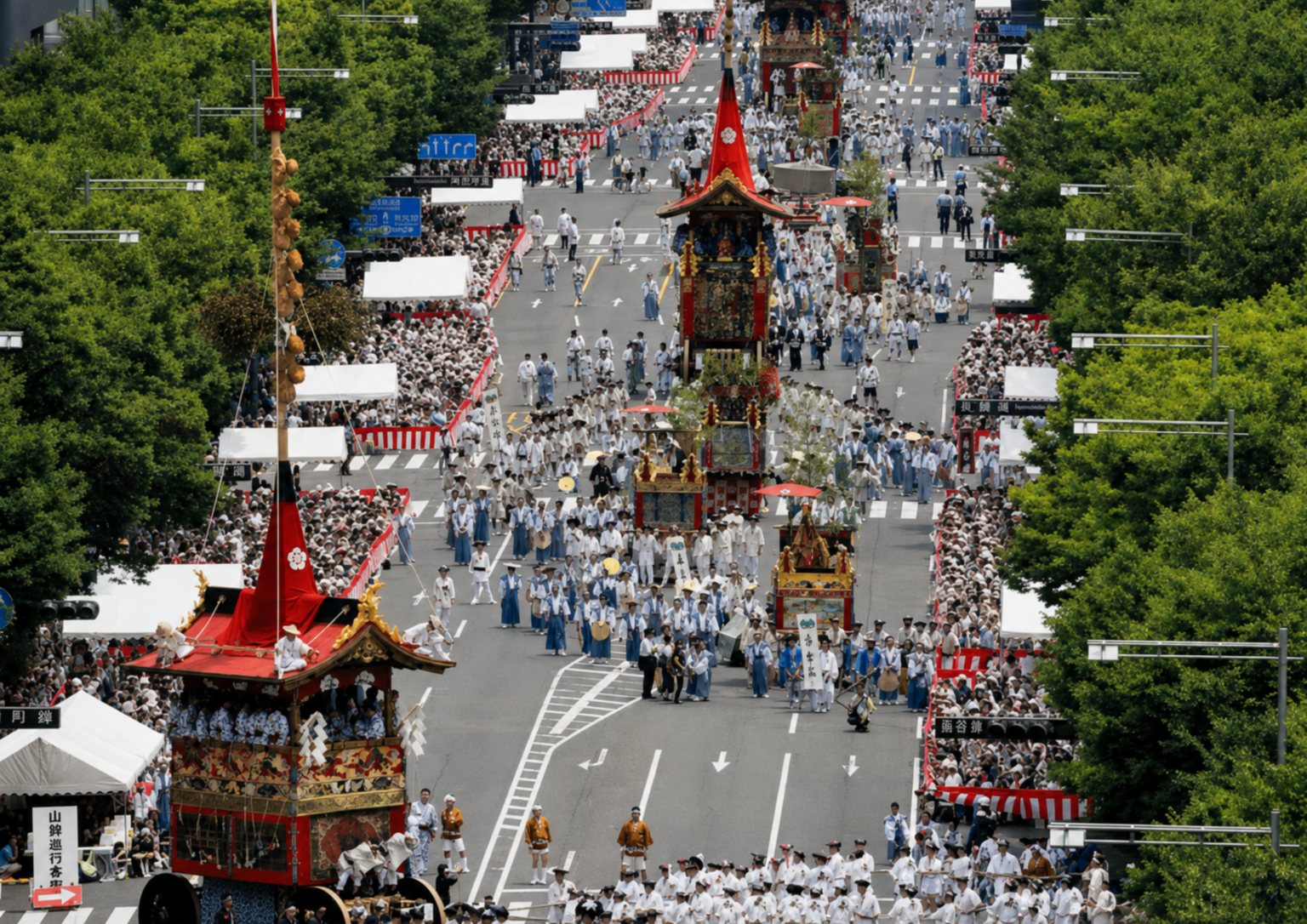
The least familiar entry on this list is also the oldest. Gion Matsuri has been held in Kyoto for more than a thousand years, a month-long festival built around two grand processions of towering wooden floats, on the 17th and the 24th.
The floats are draped in tapestries, some of them centuries-old imports, which earned the procession its nickname: the moving museum. The quieter pleasure is the yoiyama, the evenings before each procession, when the old merchant streets close to traffic, the floats glow under lanterns, and families open their houses to show heirlooms kept for generations.
It is not a spectacle staged for visitors. It is a city being itself, very beautifully, in the heat of a Japanese summer.
WHERE IT ALL ENDS
New York. The World Cup final. July 19.
We have written elsewhere about the World Cup’s return to North America, so we will not repeat the history here. What matters for the traveller is the shape of the ending.
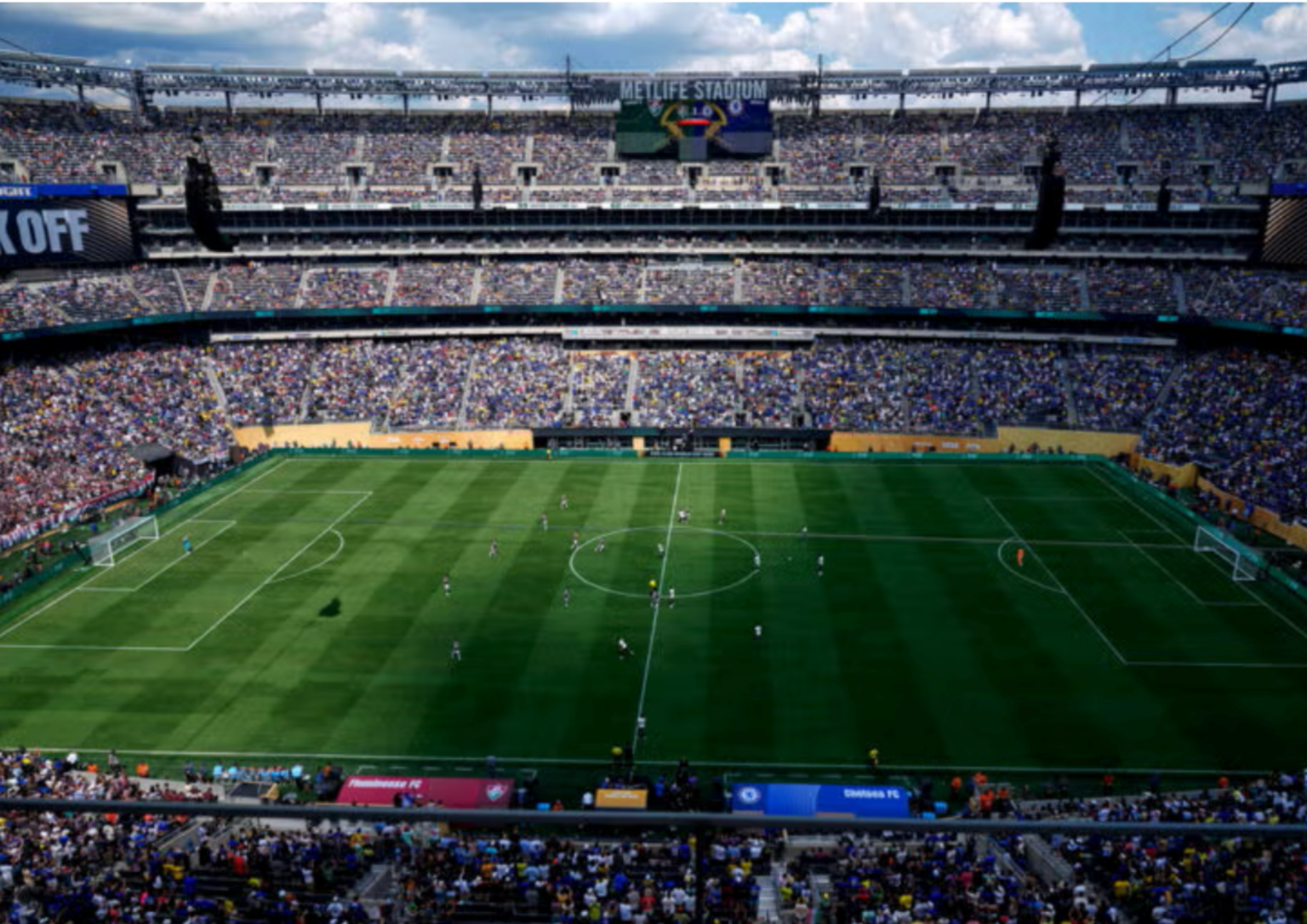
The tournament narrows to a single weekend in the middle of July. The semi-finals fall in Dallas and Atlanta, the third-place match in Miami, and the final on the 19th at the stadium across the water from Manhattan. Forty-eight teams and a month of football resolve, in the end, into one afternoon in one city.
It is the rare sporting occasion where being in the room is the entire point, and where the seats that matter are almost impossible to reach late. The people who will be there decided months ago. If the final is on your list, it is not a thing to improvise
THE LIDO
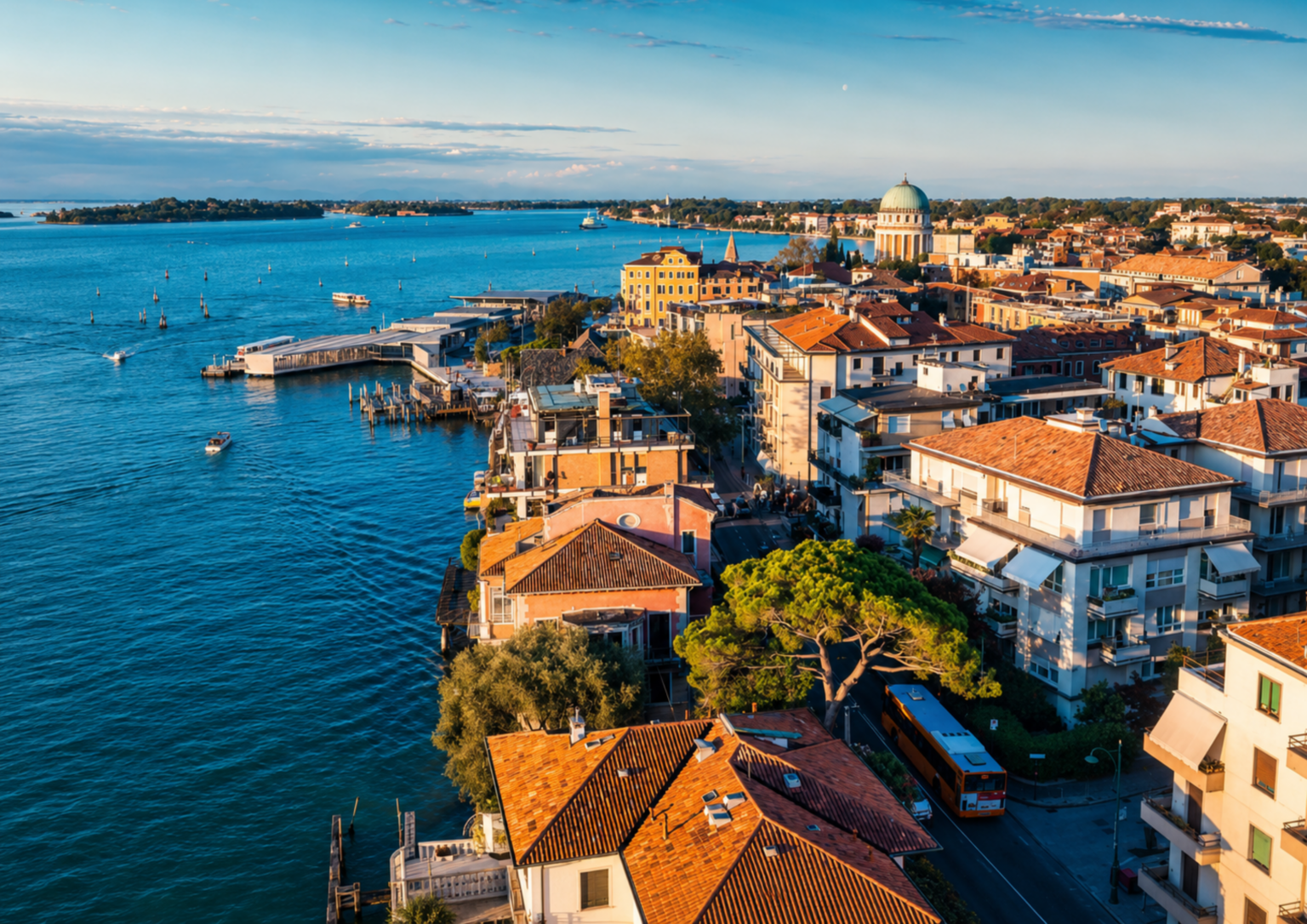
Venice. Venice Film Festival. September 2 to 12.
Cannes has the noise and the market. Venice has something quieter and, to our taste, better: the oldest film festival in the world, held on the Lido as the summer crowds thin and the light on the lagoon turns toward autumn.
The films premiere months before the awards season everyone else pays attention to, which is much of the appeal. You see the year’s most talked-about work before it is talked about. The red carpet is real, but it shares the island with something closer to a serious festival of cinema than a circus.
And the arrival is half of it. There is no driving to the Lido. You come across the water, as everyone always has, which sets the pace for everything that follows.
MOZART'S CITY
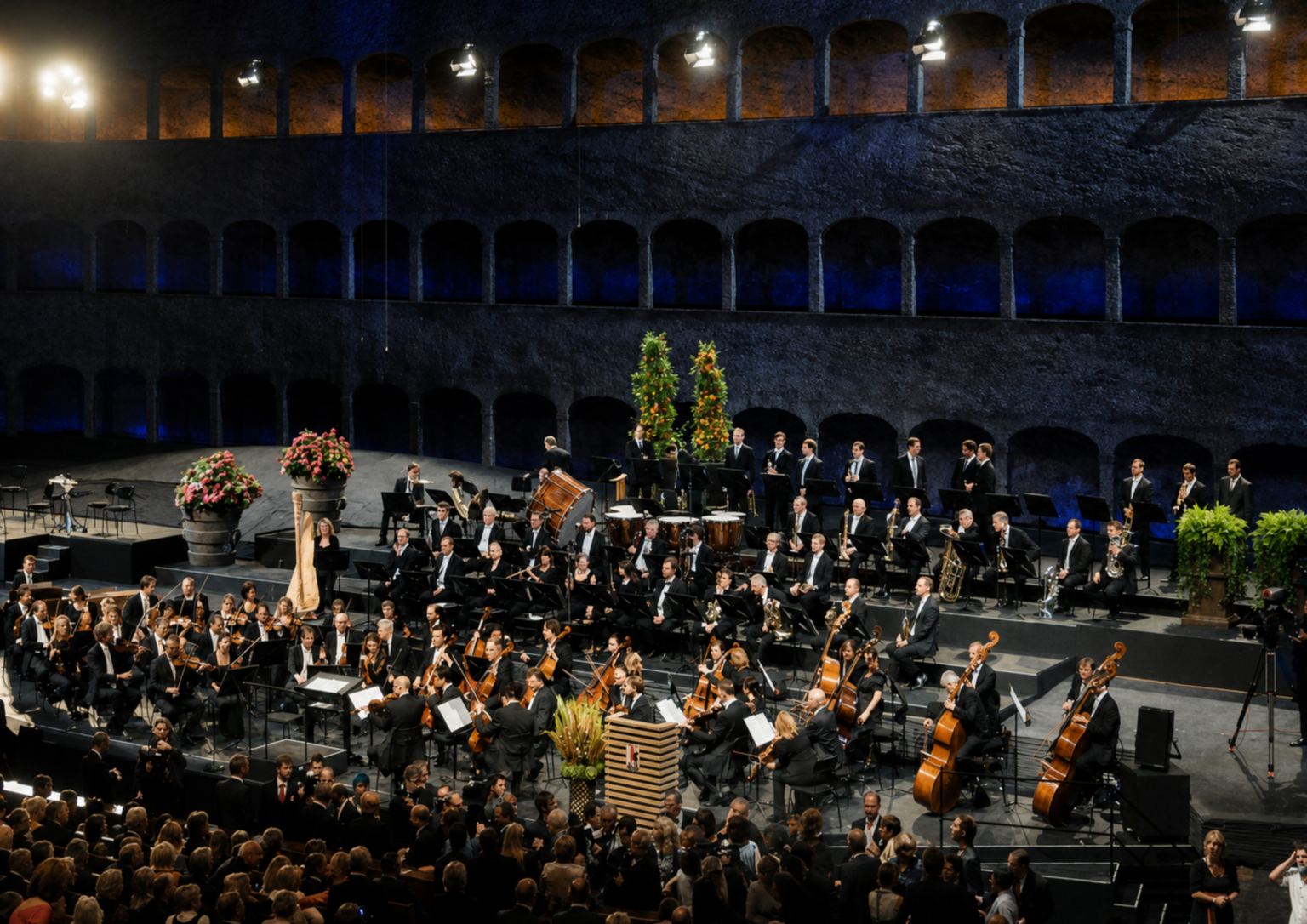
Salzburg. Salzburg Festival. July 17 to August 30.
For six weeks each summer, Salzburg becomes the centre of the classical music world. The festival has run since 1920 in the town where Mozart was born, and it remains the most rarefied gathering of opera and orchestral music anywhere: the productions ambitious, the audiences in full evening dress, the standard impossibly high.
Its signature is Jedermann, the morality play performed each year in the cathedral square. But the heart of it is the opera and the concerts, which draw the finest conductors and singers alive to a small Baroque city set in the Alps. It is the perfect entry for the person who has done the beaches and the regattas and wants something that feeds a different appetite. There is very little else like it.
THE DISCIPLINE OF SELECTION
A memorable summer will always offer more than one can reasonably attend. The skill is not in seeing everything, but in choosing the few occasions that justify the journey, and then arriving in a way that leaves you fresh for them rather than recovering from how you got there.
That is the difference between travel as movement and travel as intention. The finest days are rarely the ones overloaded with logistics. They are the ones where access to best seats in the house is a formality, you arrive with time to settle in, read the programme, find your table, walk the grounds, or take your seat before the first meaningful moment begins.
Summer rewards those who plan lightly but consciously. The calendar may be full, but the experience should not feel crowded.
Choose well. We will see to the rest.