
SOCCER'S COMING HOME
The world’s most-watched sport returns to its grandest stage with a distinctly nostalgic feel.
a different homecoming
In England, widely regarded as football’s birthplace, every major international tournament revives the familiar refrain that “football’s coming home” — a line popularised by The Lightning Seeds’ 1996 anthem, Three Lions. This summer, across the Atlantic, “soccer” is, in its own way, (mostly) coming home too: not to the sport’s birthplace, but to the country that preserved an old English nickname and turned it into part of its own culture of sporting spectacle. Alongside co-hosts Canada and Mexico, the United States will help stage the first tri-nation World Cup — a tournament shaped by American entertainment, Canadian hospitality and Mexican passion.
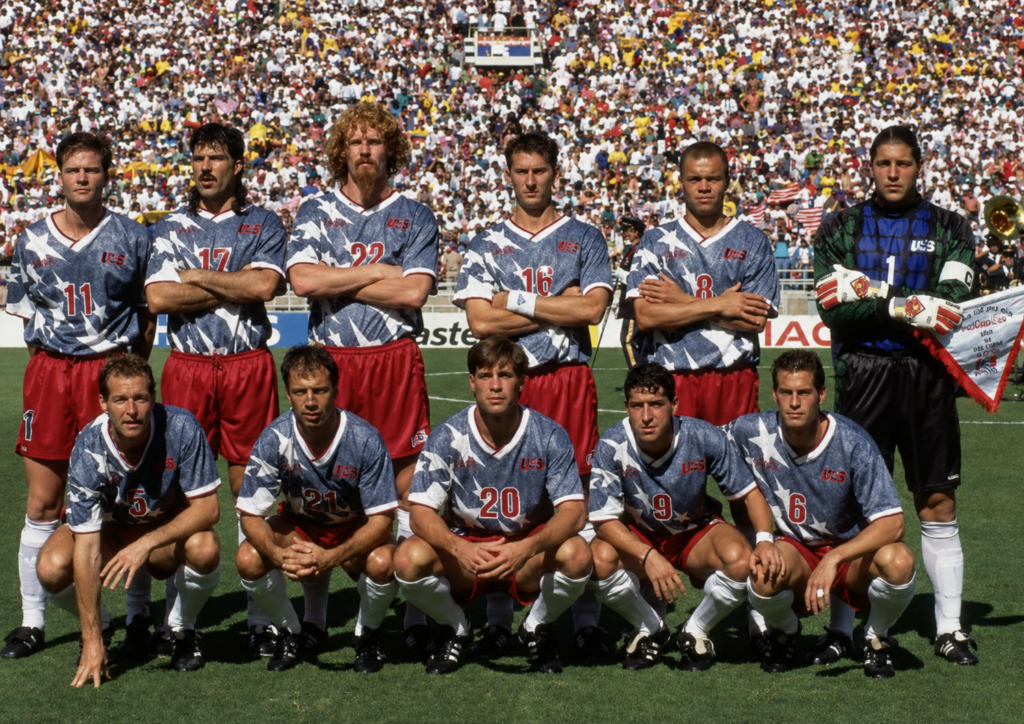
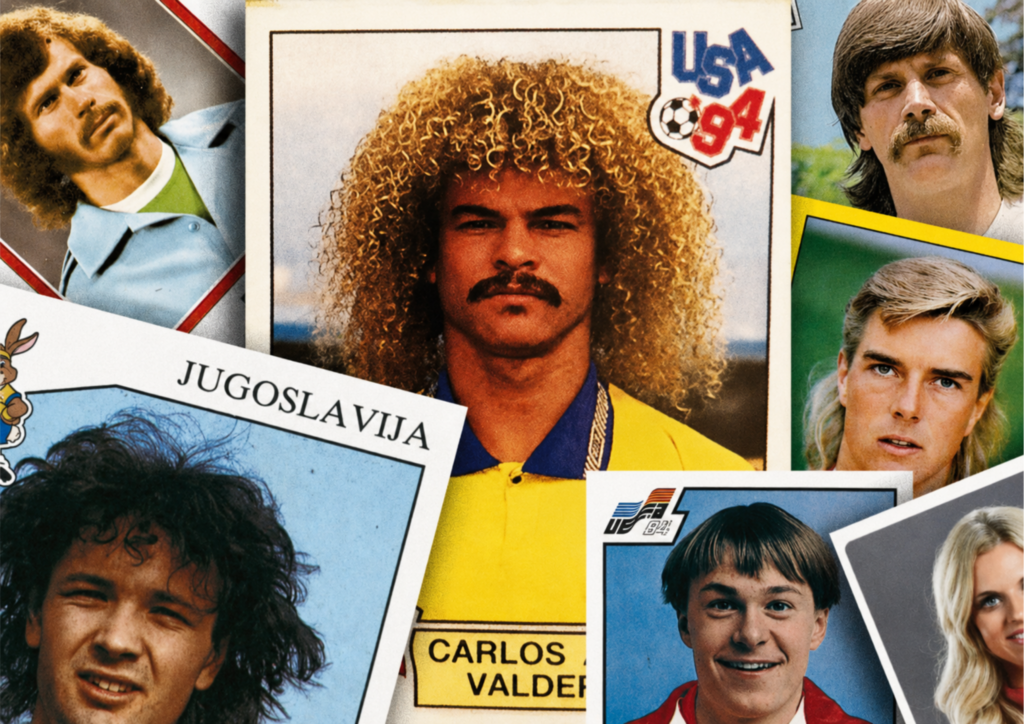
For those who grew up with Mexico ’86 and USA ’94, the tournament was more than a fixture list. It was late-night highlights, wall charts, sticker albums and a roll call of names that travelled far beyond the pitch: Maradona, Baggio, Romário, Valderrama, Batistuta, Klinsmann. Before every squad was searchable, the World Cup was how many of us learned the flags, faces and football cultures of the wider world.
When the Americas Set the Stage
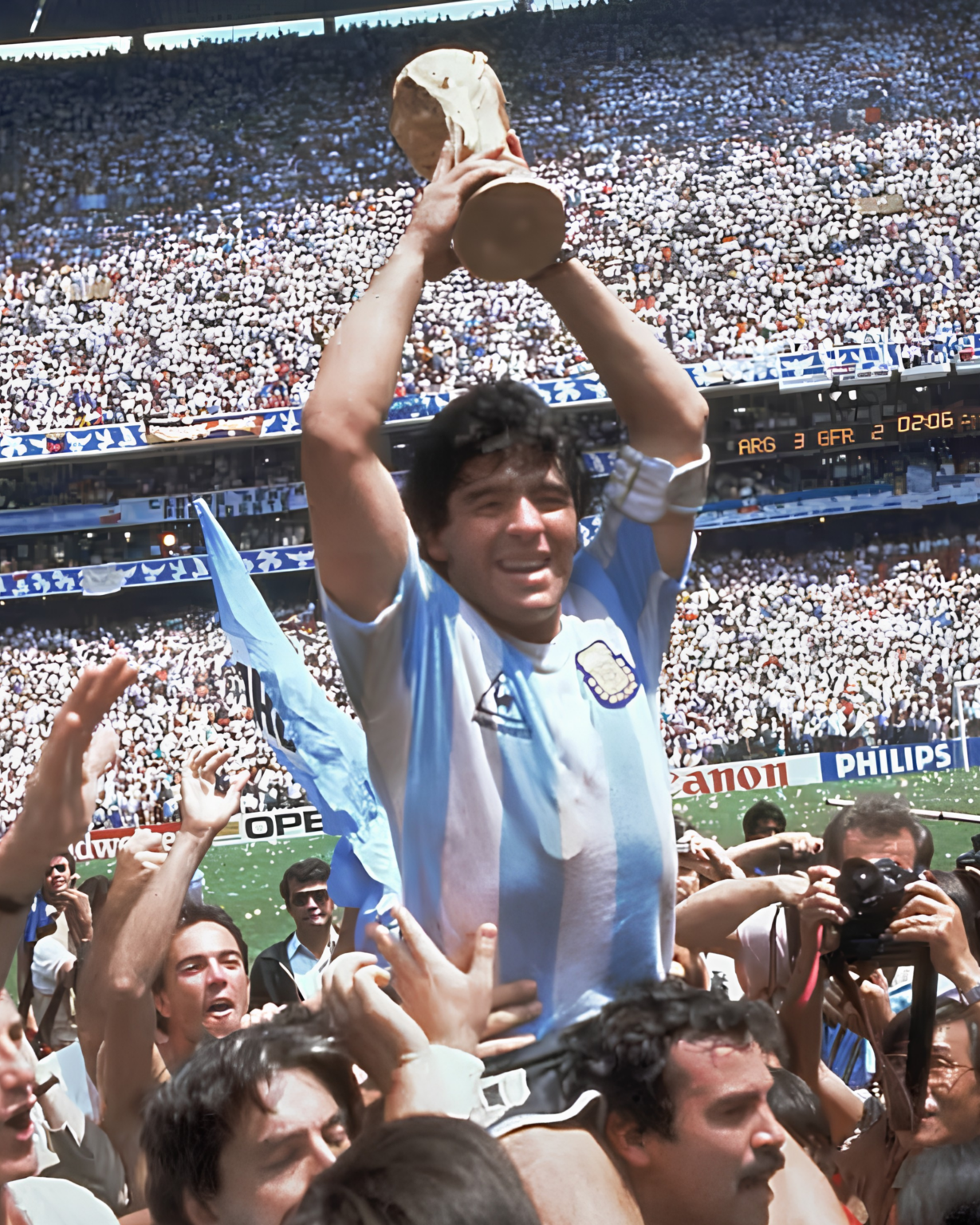
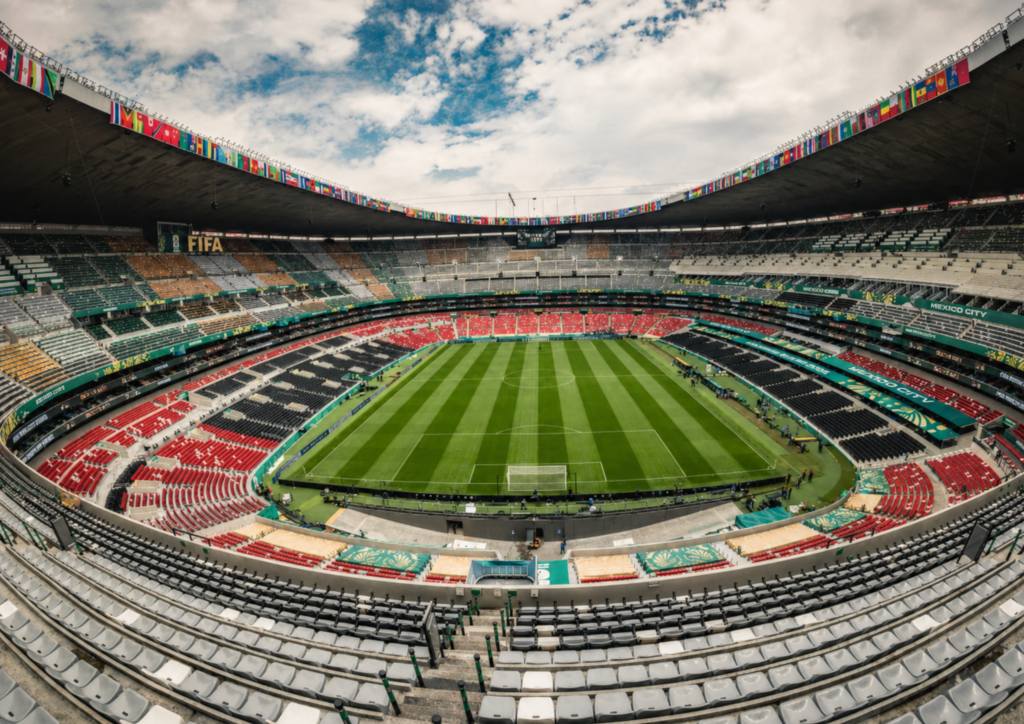
Mexico ’86 remains one of the tournament’s defining editions. It gave football Diego Maradona at his most influential: the controversy and genius against England, the run through blue shirts, the Azteca shimmering in the heat. The setting mattered too. The stadium’s altitude, shadows and scale made a cult statement and gave the tournament mythical identity. So did the details: the Adidas Azteca ball, Pique the moustachioed chilli-pepper mascot, the Mexican Wave moving through the stands, and a host nation that gave the competition colour, rhythm and atmosphere.
Eight years later, USA ’94 changed the commercial scale of the World Cup. There were doubts about whether America would embrace the game, but the tournament delivered full stadiums, record crowds and a new kind of sporting presentation. It had Diana Ross missing that opening-ceremony penalty, Brazil lifting the trophy at the Rose Bowl, Roberto Baggio’s ponytail and penalty heartbreak, and Ireland under Jack Charlton bringing colour, noise and one of the great travelling supports. USA ’94 proved that football could work on American soil without losing its global character.
THE CARIBBEAN THREAD
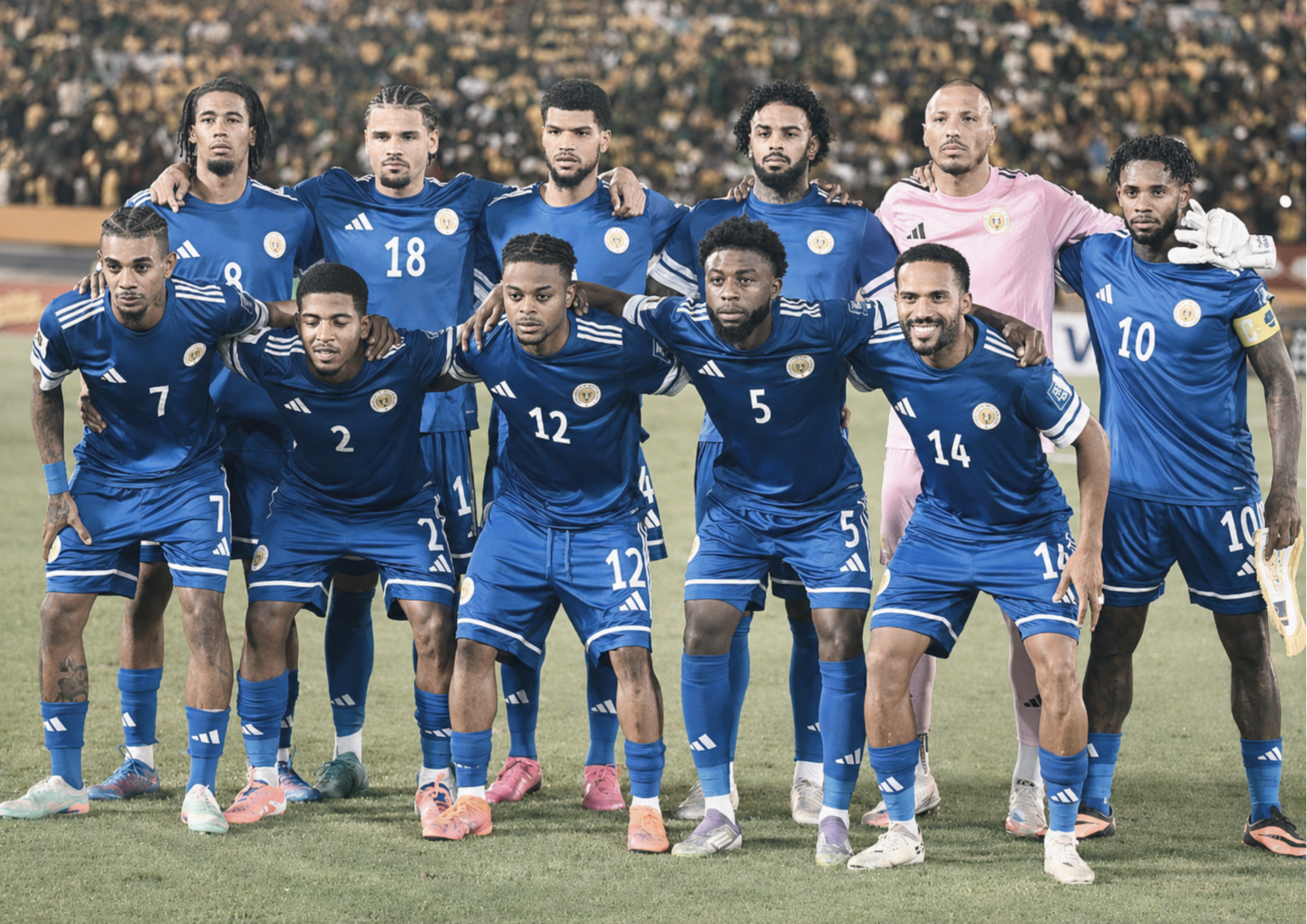
The Caribbean has its own place in this wider story. Cuba’s Leones del Caribe were the region’s first World Cup representatives in 1938; Haiti’s Les Grenadiers followed in 1974; Jamaica’s Reggae Boyz brought their unmistakable presence to France ’98; and Trinidad and Tobago’s Soca Warriors made their debut in Germany in 2006. In 2026, Haiti return after more than half a century away, while Curaçao’s Blue Wave make history by qualifying for the first time and becoming the smallest nation by population to reach a men’s World Cup. After Jamaica were edged out this cycle, Curaçao’s achievement carries particular regional resonance.
For Bermuda, watching from an Atlantic crossroads of island culture, business and international travel, that Caribbean connection gives the tournament added relevance. The World Cup may be staged in North America, but its audience and emotional reach extend through the islands, across diaspora communities and into homes where summer football remains a shared ritual.
When the Americas Set the Stage
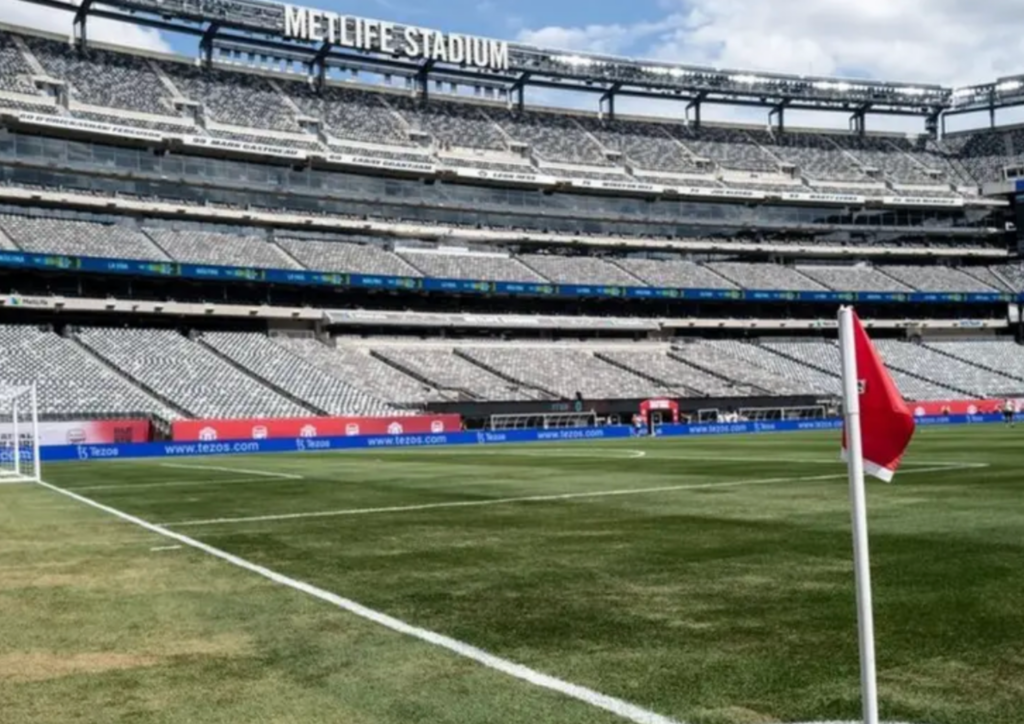
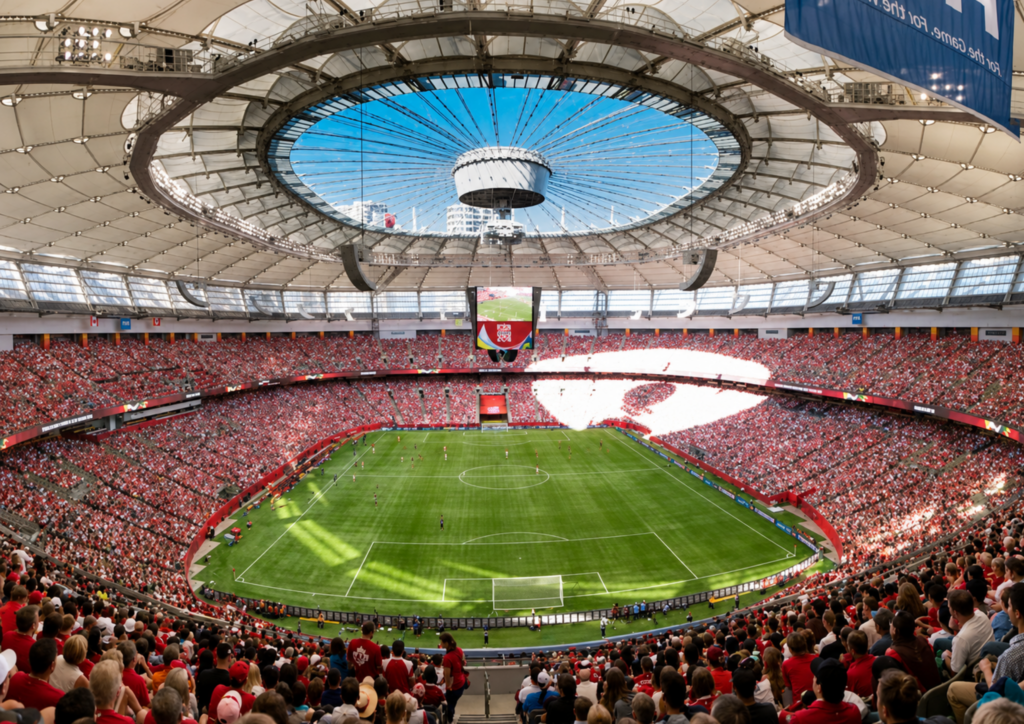
In 2026, the tournament returns to North America with a wider horizon. For the first time, Canada, Mexico and the United States share the stage. The World Cup expands to 48 teams and 104 matches across 16 host cities, changing the character of the competition from a host-country event into a continental programme. Mexico brings legacy, the United States brings scale, and Canada adds a new chapter.
For travellers, that shift is significant. This is not simply a summer of football; it is a sequence of cities, fixtures and decisions. One week might begin in Mexico City, continue through Miami or Dallas, and finish in New York/New Jersey. The most compelling experience will not necessarily be the busiest itinerary, but the most intelligently chosen one.
A Continental Summer
In 2026, the tournament returns to North America with a wider horizon. For the first time, Canada, Mexico and the United States share the stage. The World Cup expands to 48 teams and 104 matches across 16 host cities, changing the character of the competition from a host-country event into a continental programme. Mexico brings legacy, the United States brings scale, and Canada adds a new chapter.
For travellers, that shift is significant. This is not simply a summer of football; it is a sequence of cities, fixtures and decisions. One week might begin in Mexico City, continue through Miami or Dallas, and finish in New York/New Jersey. The most compelling experience will not necessarily be the busiest itinerary, but the most intelligently chosen one.
The Art of Choosing the Moment
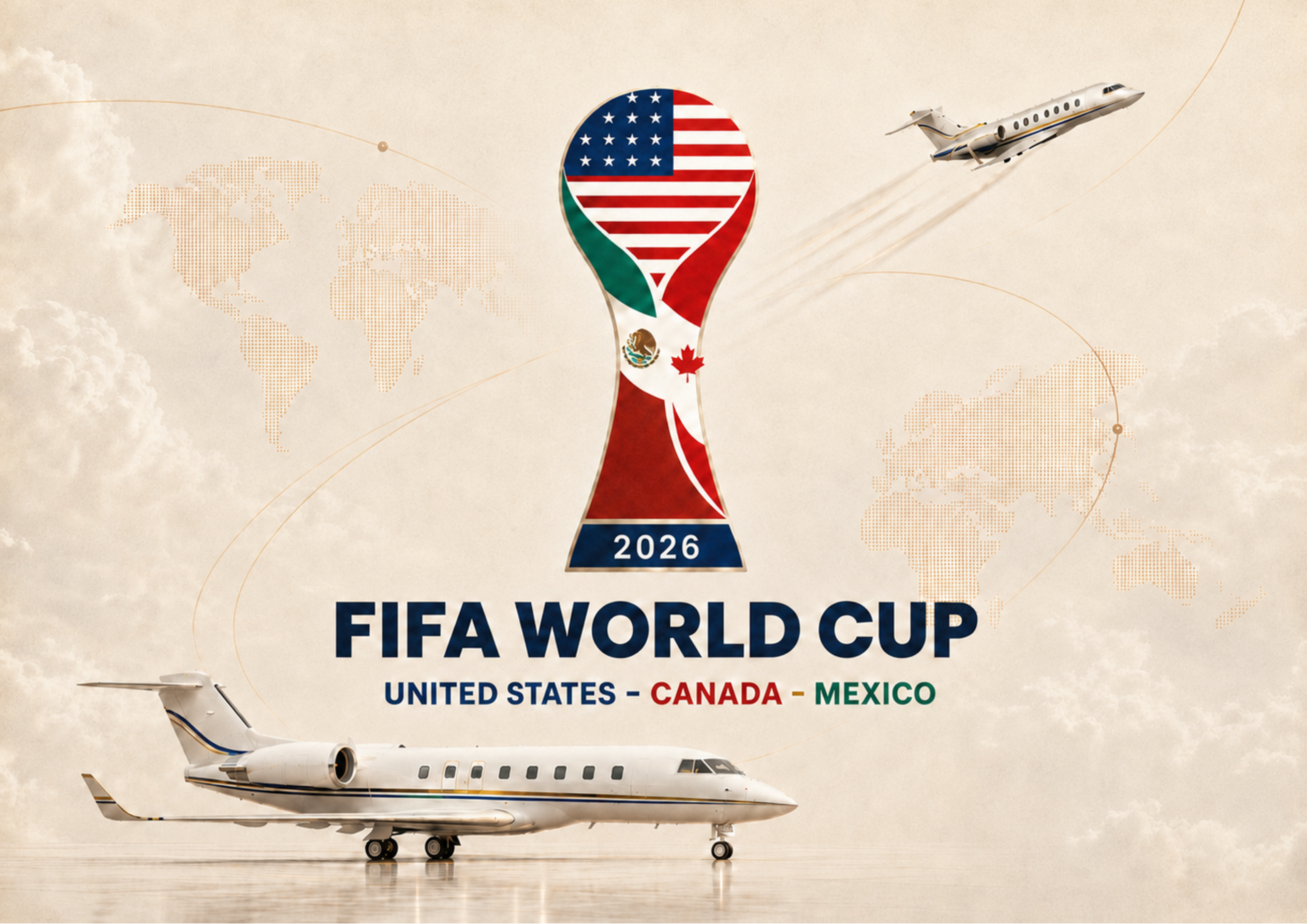
Demand will be part of the experience. Industry sources expect the 2026 World Cup to place sustained pressure on business aviation across 16 host cities, with permits, slots, parking and security procedures all requiring careful planning. Forbes has also reported that private jet companies are preparing around aircraft availability, special-event fees and cancellation terms. For those travelling privately, access and timing will matter.
That is where the tournament becomes especially interesting for the discerning traveller. The art of 2026 may lie not in seeing everything, but in choosing well: the right match, the right aircraft, the right arrival window, the right city to stay in afterwards. A Mexico City group-stage fixture, a semi-final weekend in Dallas, the final framed by the skyline of New York — each offers a different version of the World Cup, and a different way to experience the Americas.
Mexico ’86 gave the tournament one of its great football stories. USA ’94 changed its scale. North America 2026 now brings both legacies forward into a larger, more mobile, more strategically planned event. For those who intend to be there, the match is only part of the occasion. The journey, handled well, becomes part of the experience.
Sources include: American Soccer Now, BBC, FIFA, Forbes and Getty Images