
The Praetor 600 and the Question of How Much Jet You Really Need

Someone asked recently which car the Embraer Praetor 600 most resembles. The question sounded simple until we tried to answer it. A Challenger 300 has some of the familiarity of a Range Rover or Cadillac Escalade. A large-cabin Gulfstream is easier still: Bentley Flying Spur or Rolls-Royce Ghost territory.
The Praetor is where the comparison becomes less useful. A Porsche Panamera comes reasonably close in Europe; perhaps a Lucid Air in America. Both combine performance, technology and everyday usability without fitting one traditional mould. Even then, something is missing.
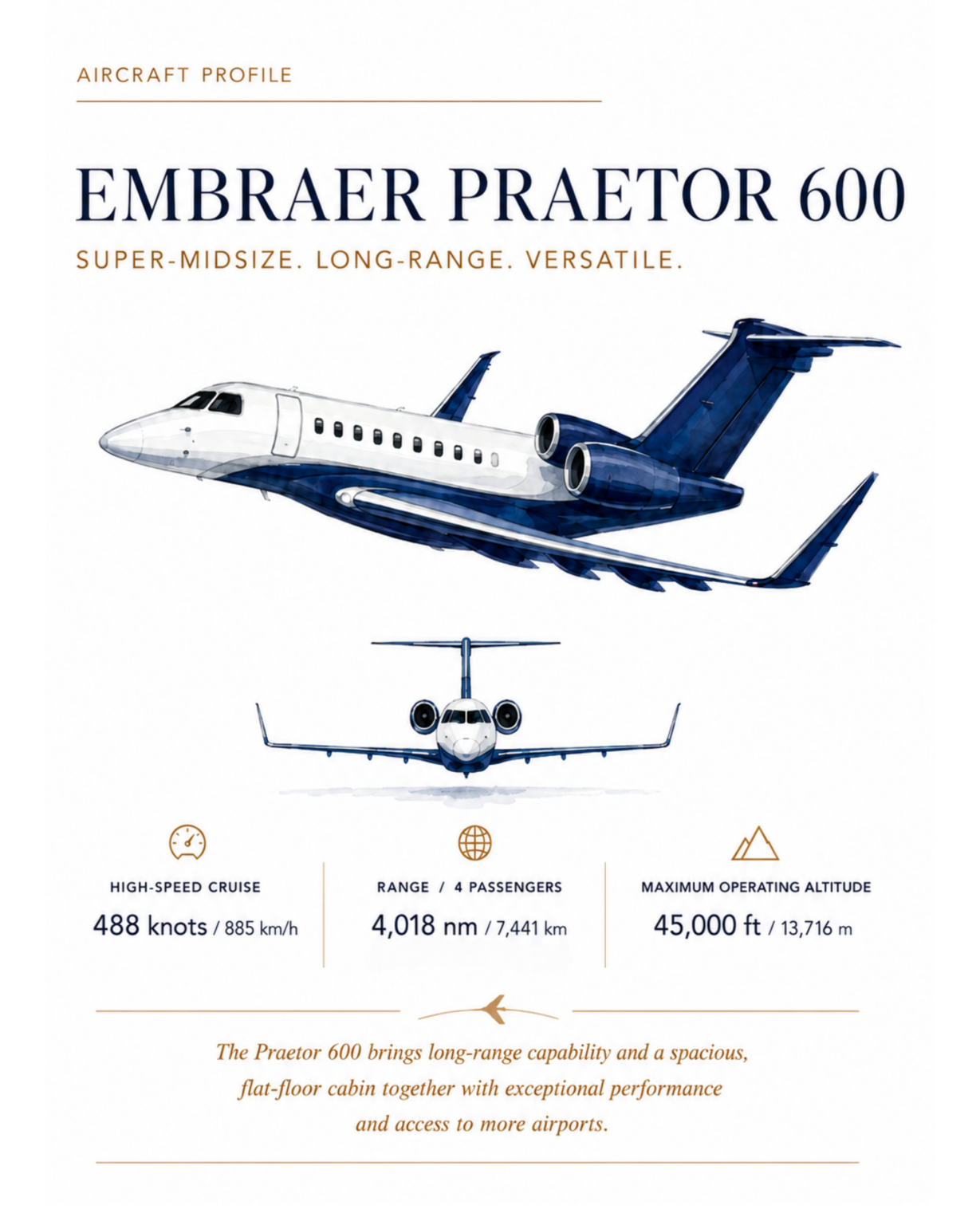
Officially, the Praetor 600 is a super-midsize jet. In practice, it brings together range, cabin comfort and newer-generation technology in a way that makes the old category labels feel increasingly incomplete. Rather than sitting halfway between two classes, it has helped expand what a super-midsize aircraft can credibly be.
When Aircraft Categories Stop Being Helpful
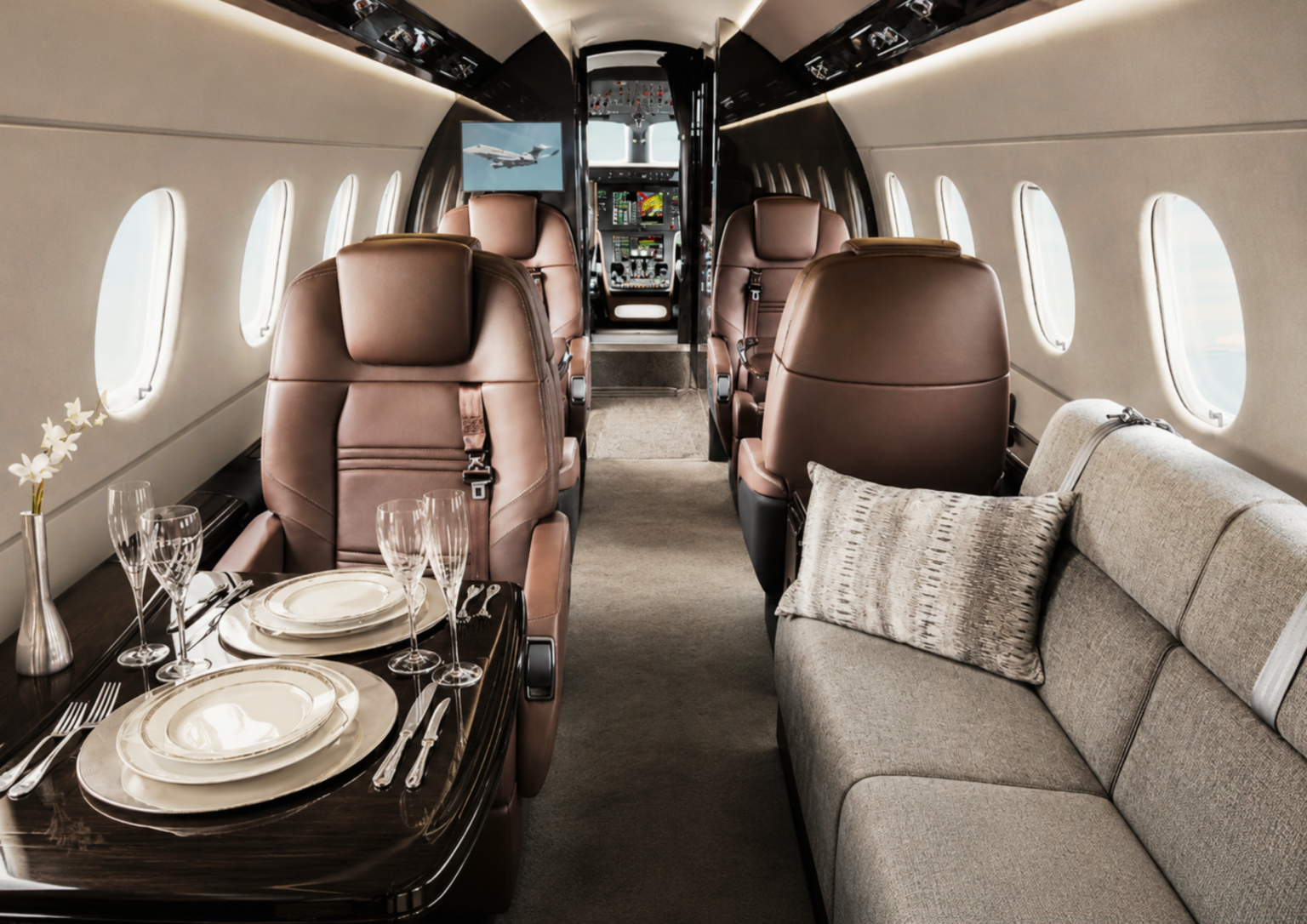
Embraer announced the Praetor family in 2018, with the 600 as its larger member. Its published range is 4,018 nautical miles with four passengers and NBAA IFR reserves, placing routes such as London to New York and São Paulo to Miami within its intended territory. Inside is a six-foot-high, flat-floor cabin with baggage accessible during flight.
Those figures stretched a distinction that had once seemed straightforward. Super-midsize aircraft traditionally sat below the jets chosen for serious transatlantic travel. The Praetor 600 entered conversations that had previously been reserved for substantially larger aircraft.
Consider Bermuda to London. Passenger numbers, baggage, weather and winds will always influence what is practical, but the route sits within the kind of mission the aircraft was designed to address. The point is less that the Praetor replaces a Gulfstream – than a super-midsize jet can now credibly be considered for journeys once associated almost exclusively with the heavy-jet category.
More Complete Than Compromised
The Challenger 300 remains a useful benchmark because it helped define the modern super-midsize class: a comfortable stand-up cabin, strong regional range and an aircraft familiar to operators around the world. The Praetor 600 comes from a later generation and pushes the same class further towards long-range travel.
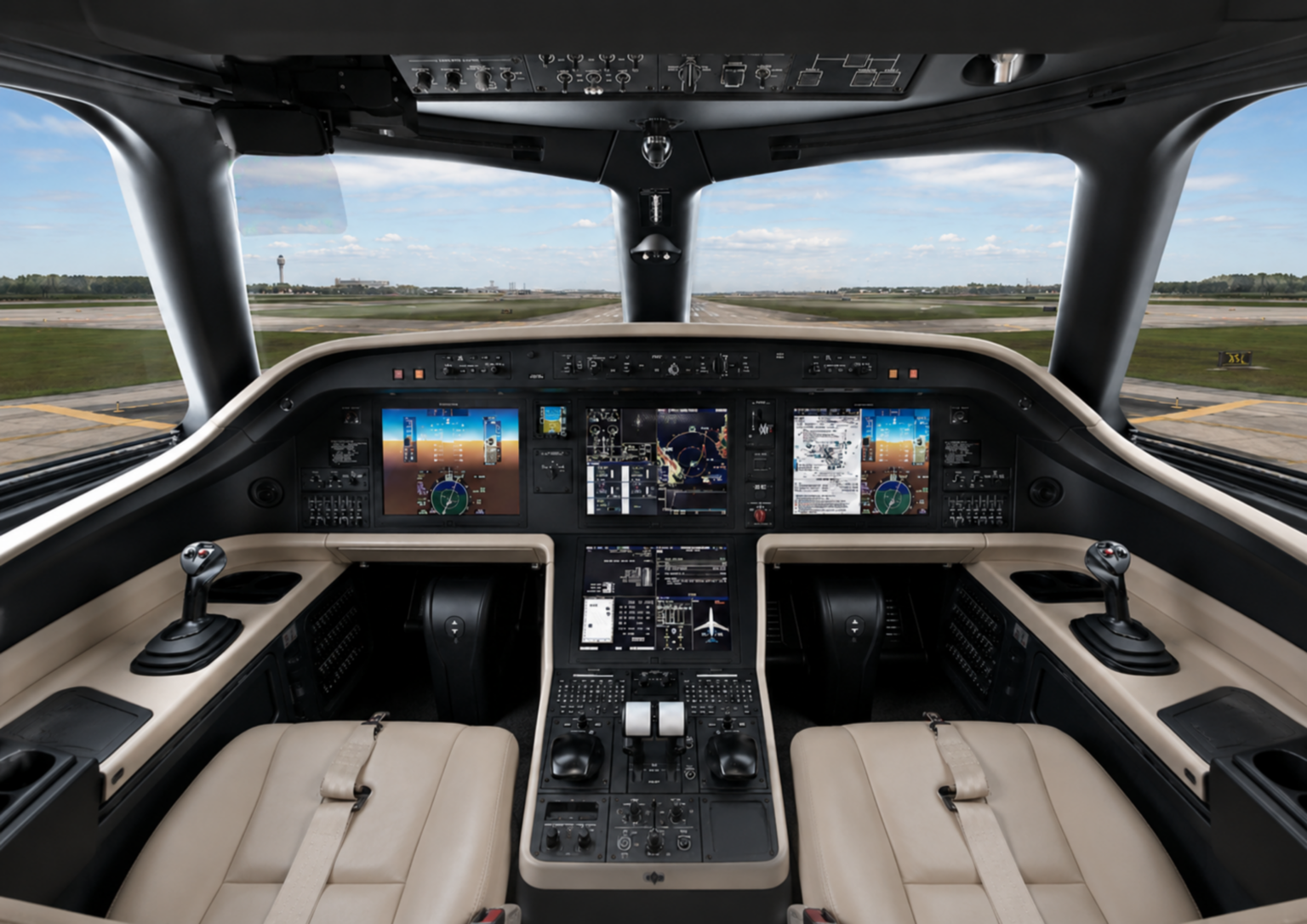
Its achievement lies in bringing several competing strengths together. More fuel adds weight, larger cabins add scale, and short-runway performance tends to favour smaller aircraft. The Praetor combines intercontinental range with a six-foot, flat-floor cabin, full fly-by-wire controls, active turbulence reduction and access to airports with more demanding runway conditions. Embraer also quotes a cabin altitude of 5,800 feet while cruising at 45,000 feet.
A Swiss Army knife makes it sound more utilitarian than it is. The better comparison may be a well-cut travel jacket: adaptable across different settings, with most of what you need already built in. The value comes from the combination rather than one headline figure.
The 600E: Improving the Room, Not Moving the Walls
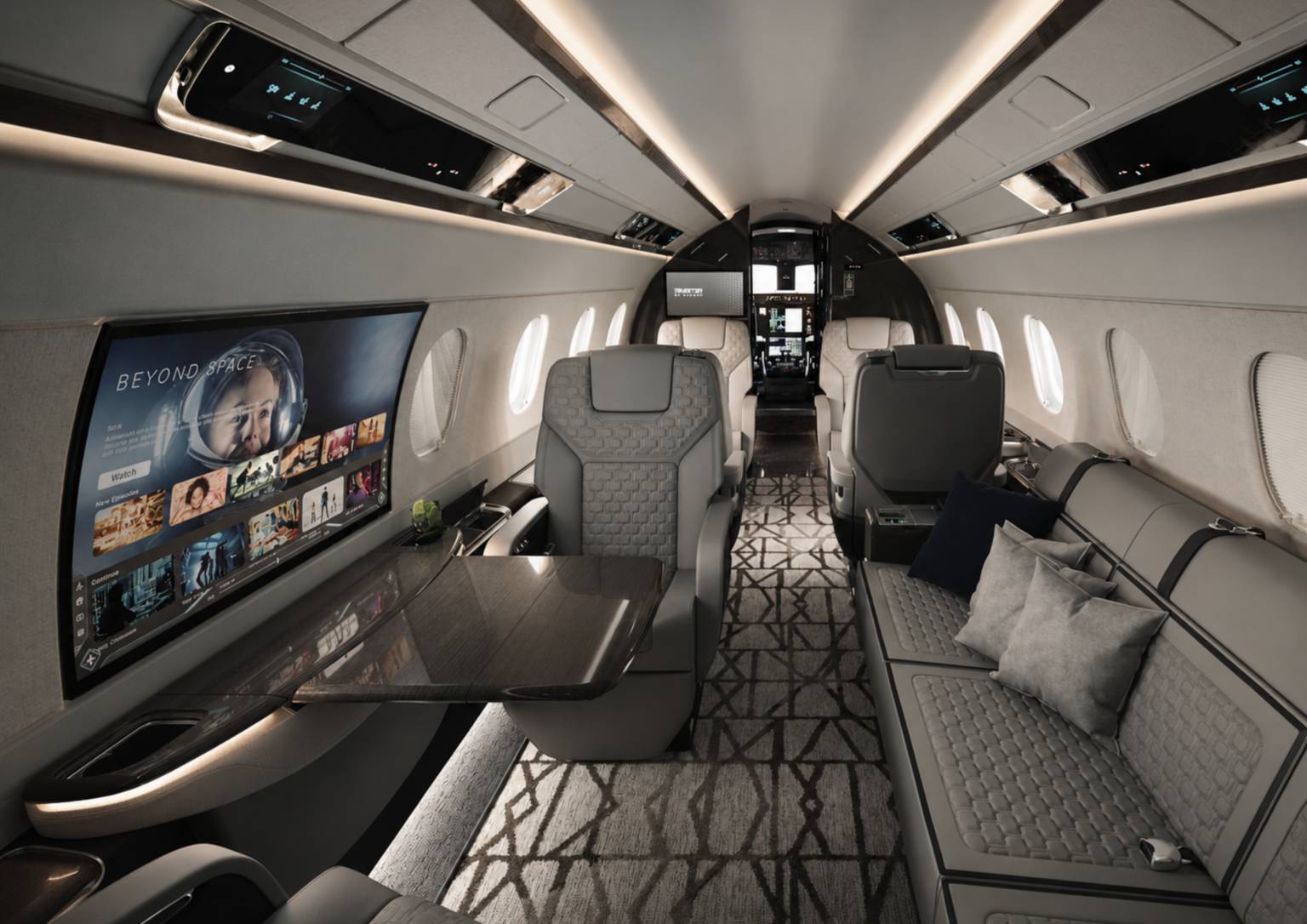
Unveiled in February 2026, the Praetor 600E develops the existing aircraft rather than beginning again. The original Praetor had already expanded the category’s reach; the 600E turns its attention to the quality and flexibility of the cabin within it.
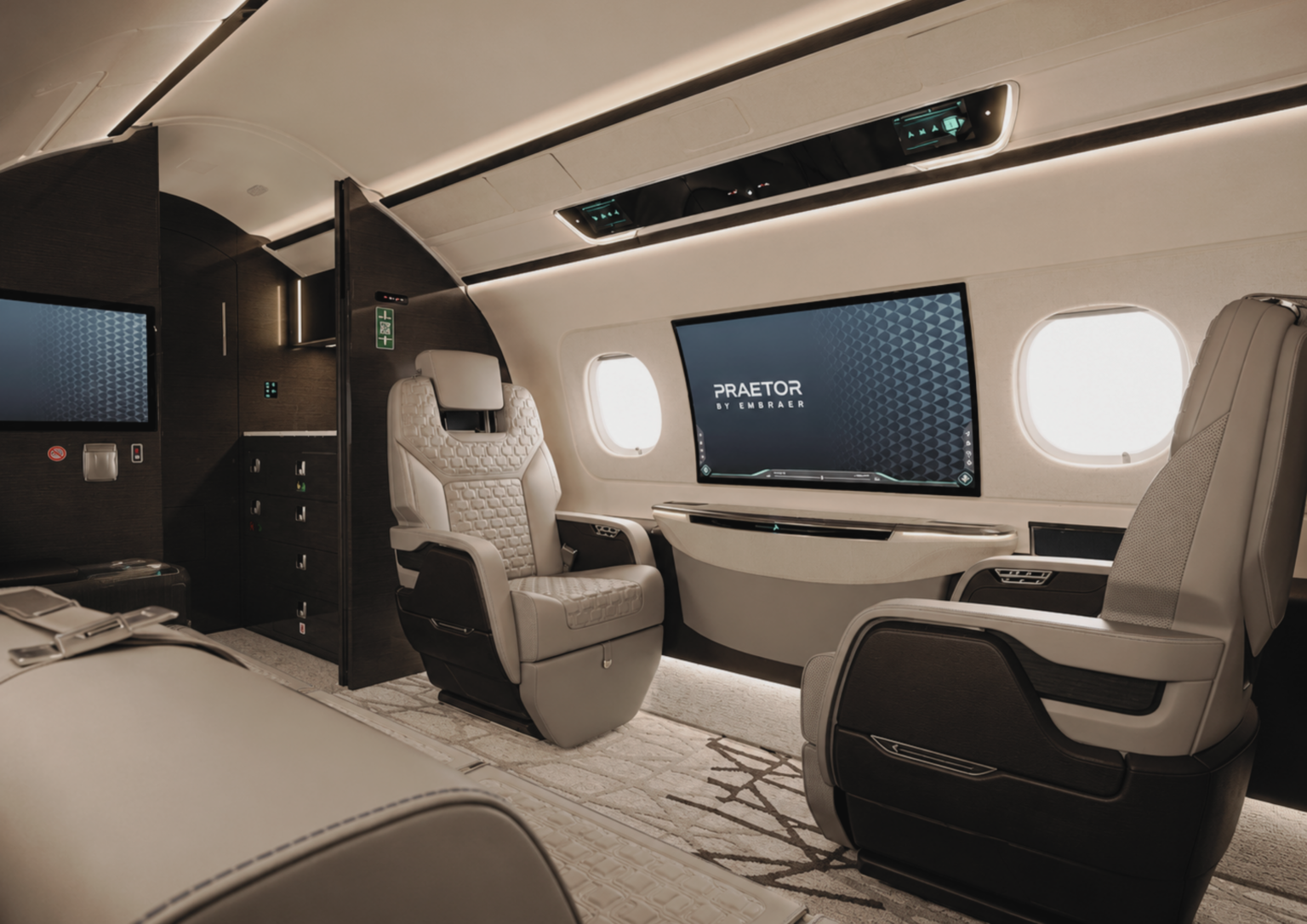
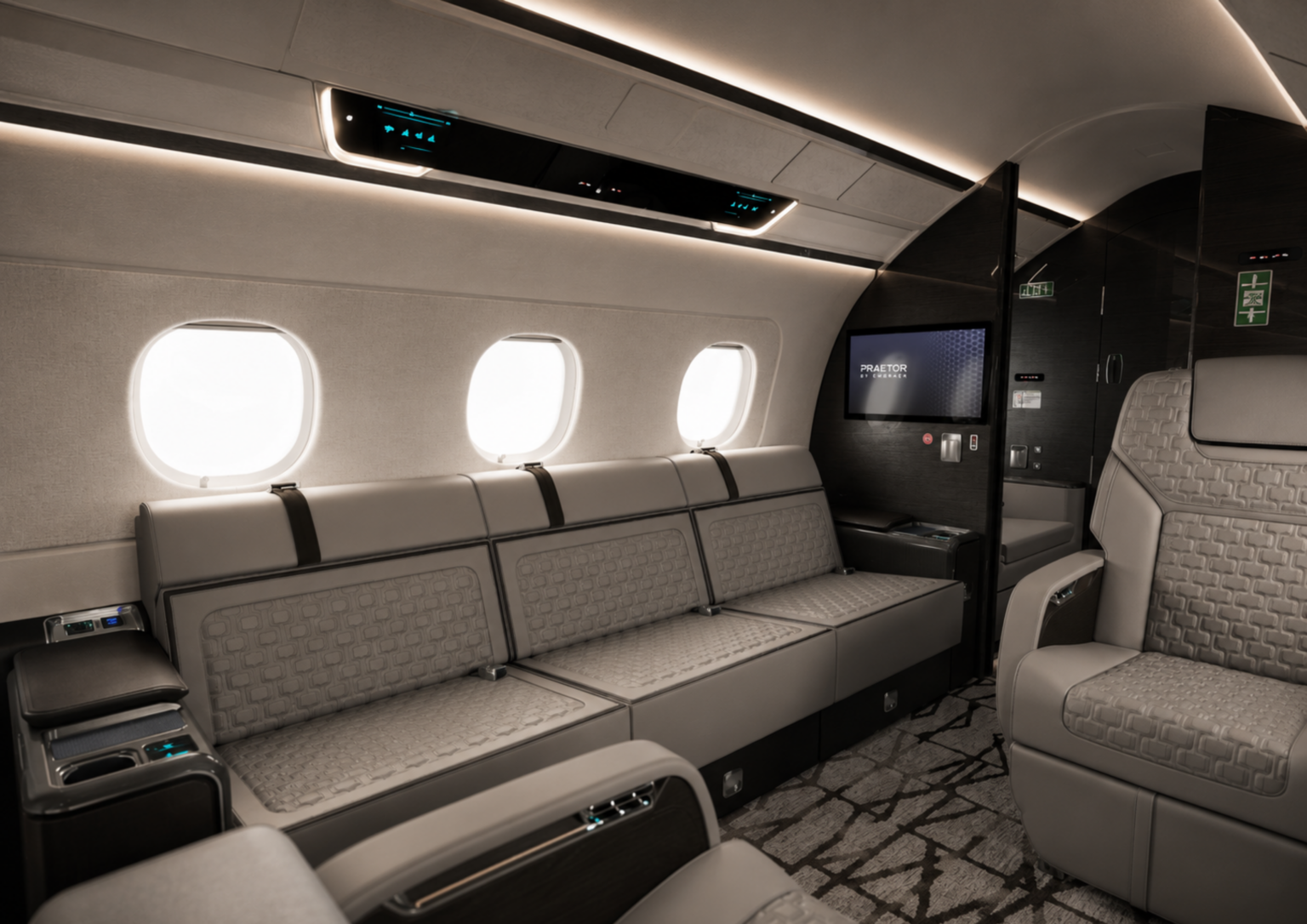
The redesigned seats offer configurable cushion firmness, dual lumbar support, more legroom, electrically assisted movement and a dedicated lounge position. The galley gains storage and capacity, while a new cabin-management system brings lighting, temperature, airflow and entertainment into a more unified set of controls. Bluetooth audio, wireless charging, voice commands and adjustable mood lighting are also available.
These changes make more sense across an actual flight than they do on a specification sheet. The same cabin may be an office after departure, a dining room over the Atlantic and somewhere to rest before arrival. The 600E is designed to move between those roles with less rearranging and fewer visible reminders of the technology behind them.
The most conspicuous addition is the optional 42-inch 4K OLED touchscreen known as the Smart Window. Positioned opposite an available divan, it can handle video conferences, stream films or show live views from three exterior cameras. The name may sound theatrical; the function is practical. A blank section of wall becomes a meeting space, cinema or digital window according to what the journey requires.
The Value of Getting the Category Right
Private aviation is often described through a hierarchy: light, midsize, super-midsize and heavy, with each step upwards implying greater capability. That remains useful shorthand, but aircraft such as the Praetor 600 show where it starts to become too simplistic.
Choosing the right aircraft is less about climbing that hierarchy than matching the cabin, range and operational performance to the journey. A larger jet will still offer more space, greater separation between living areas and, depending on the model, considerably more range. The Praetor’s case rests on how much it already brings together within its own class.
That is hardly an argument for austerity. The Praetor 600E is a sophisticated intercontinental aircraft with a substantial cabin and an unusually broad range of uses. Its appeal comes from feeling complete on its own terms.
When the Middle Stops Feeling Like a Compromise
The Challenger 300 remains a proven choice for many regional and shorter missions. A Gulfstream offers a different scale of cabin and long-range capability. The Praetor 600E occupies territory that once appeared to sit between them, although “between” no longer describes it particularly well.
It has helped turn the super-midsize category from a stopping point into a destination of its own. The Praetor 600E does not ask passengers to accept less. It shows how much range, comfort and capability can now fit inside a category that once seemed easier to define.