
GOODWOOD, REVISITED
As the Festival of Speed returns this July, we look beyond the hillclimb to the Goodwood Revival, where historic racing is shaped as much by the mechanics in the paddock as the drivers on the circuit.
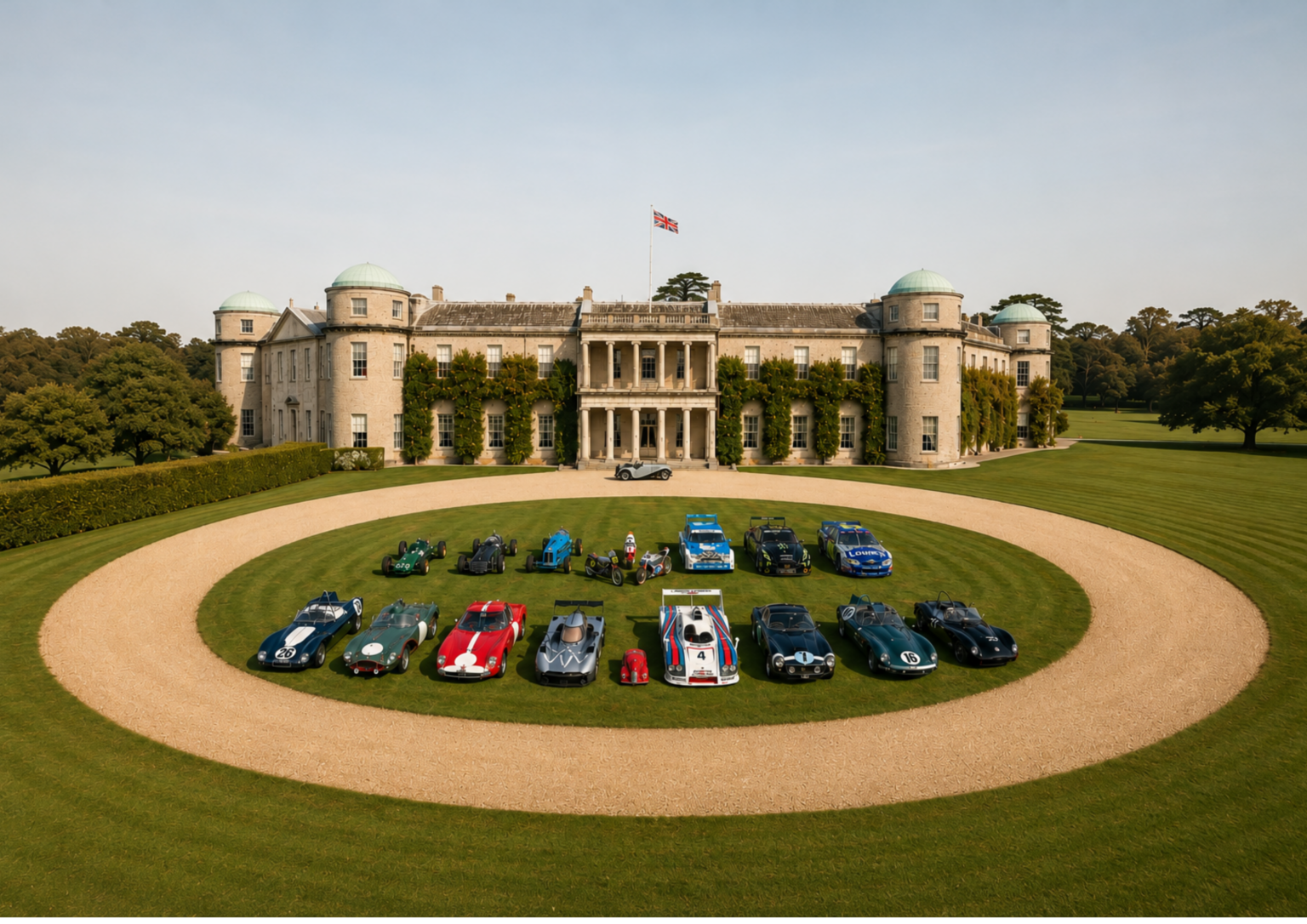
At the Festival of Speed, the first impression is usually scale: cars moving constantly up the hill, manufacturers presenting new models, historic racers sitting within sight of current Formula One machinery, and the house, lawns and temporary structures all working together to create something that is neither a motor show nor a conventional race weekend.
This year’s Festival of Speed, held from 9–12 July, is built around the theme “The Rivals – Epic Racing Duels.” Goodwood has pointed to contests such as Porsche 917 versus Ferrari 512S, and Lancia 037 versus Audi Quattro — rivalries that make more sense on a moving hill than on a static display stand. The theme suits the estate because Goodwood is good at placing different eras beside one another without making them feel disconnected. A visitor can move from a contemporary hypercar to a pre-war racer, then back to an endurance prototype, all within a few minutes.
The more interesting Goodwood event, however, arrives later in the year.
The Open Paddock
Spend an hour at the Festival of Speed and it is difficult not to notice the breadth of machinery. Spend an hour at the Revival and the attention shifts slightly, because people watch the mechanics almost as closely as the racing.
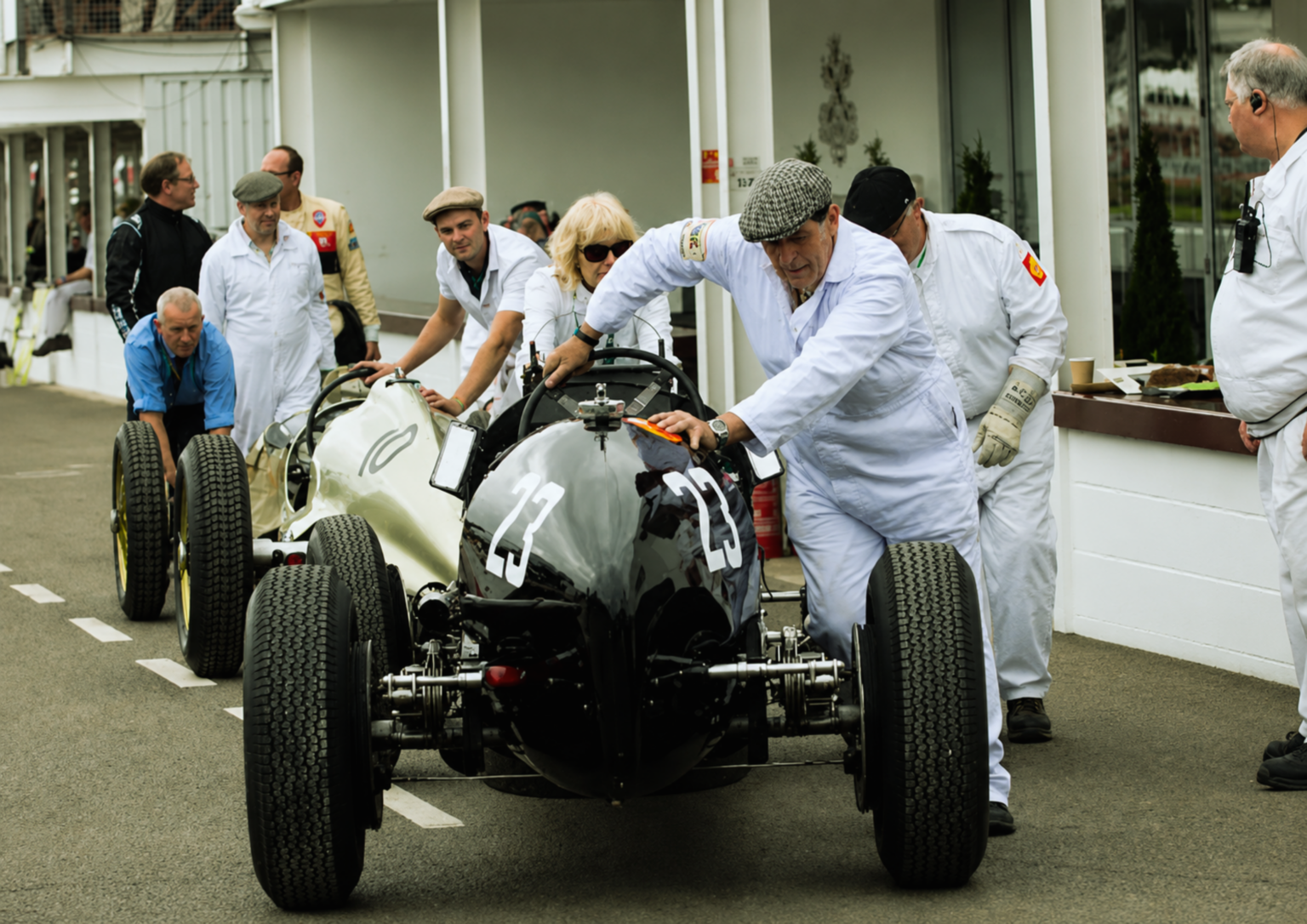
Unlike most modern race meetings, very little at the Revival happens out of sight. Cars return from qualifying with warm brakes, marked tyres and insects across their windscreens; bonnets come off, fluids are checked, and small crowds gather around mechanics discussing ignition timing, carburation or a noise that was not there earlier in the day. The atmosphere changes because the cars are not presented as finished objects. Between sessions, they are opened, adjusted, listened to and sent back out.
A pre-war Alfa Romeo, early Maserati or period Jaguar still requires judgement. The paddock is not simply where cars wait before appearing on track; it is part of the event, and for many visitors it may be as memorable as the racing itself.
COLLECTIBLE AUTOS in motion
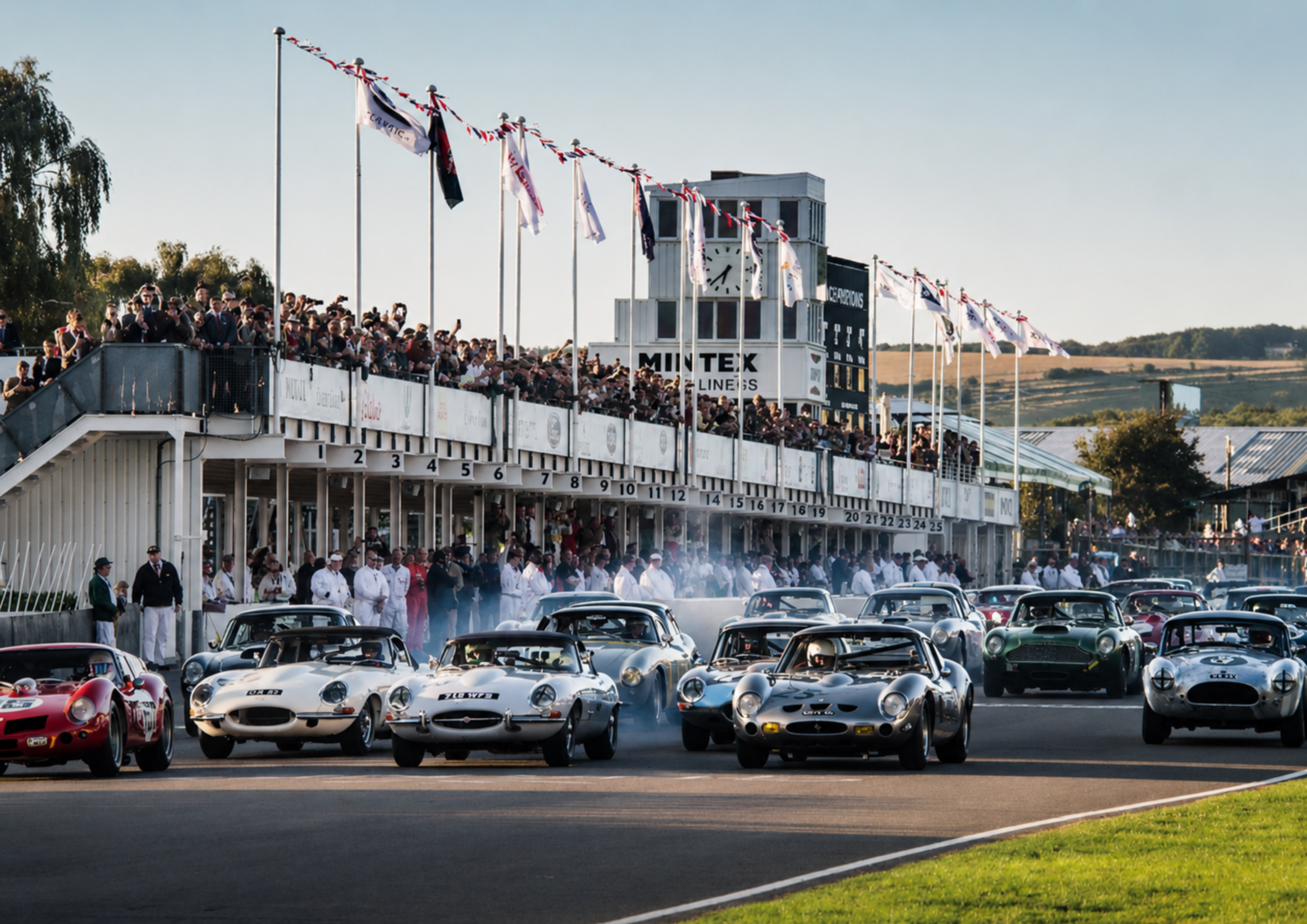
Older cars occupy an unusual place at Goodwood because, for the weekend, they are neither museum exhibits nor investment assets. They become racing cars again, which means stone chips, mechanical failures, hurried repairs and the occasional retirement from a race.
None of that weakens the experience. A car that has been carefully restored, shipped to Goodwood, prepared overnight and then driven properly around the circuit carries a different presence from one sitting behind ropes. The value is not only in the object, but in the chain of people who understand it well enough to use it.
This is where the Revival is most interesting. It does not ask visitors simply to admire the past; it shows the work involved in keeping part of it functioning.
This Year’s Italian Thread
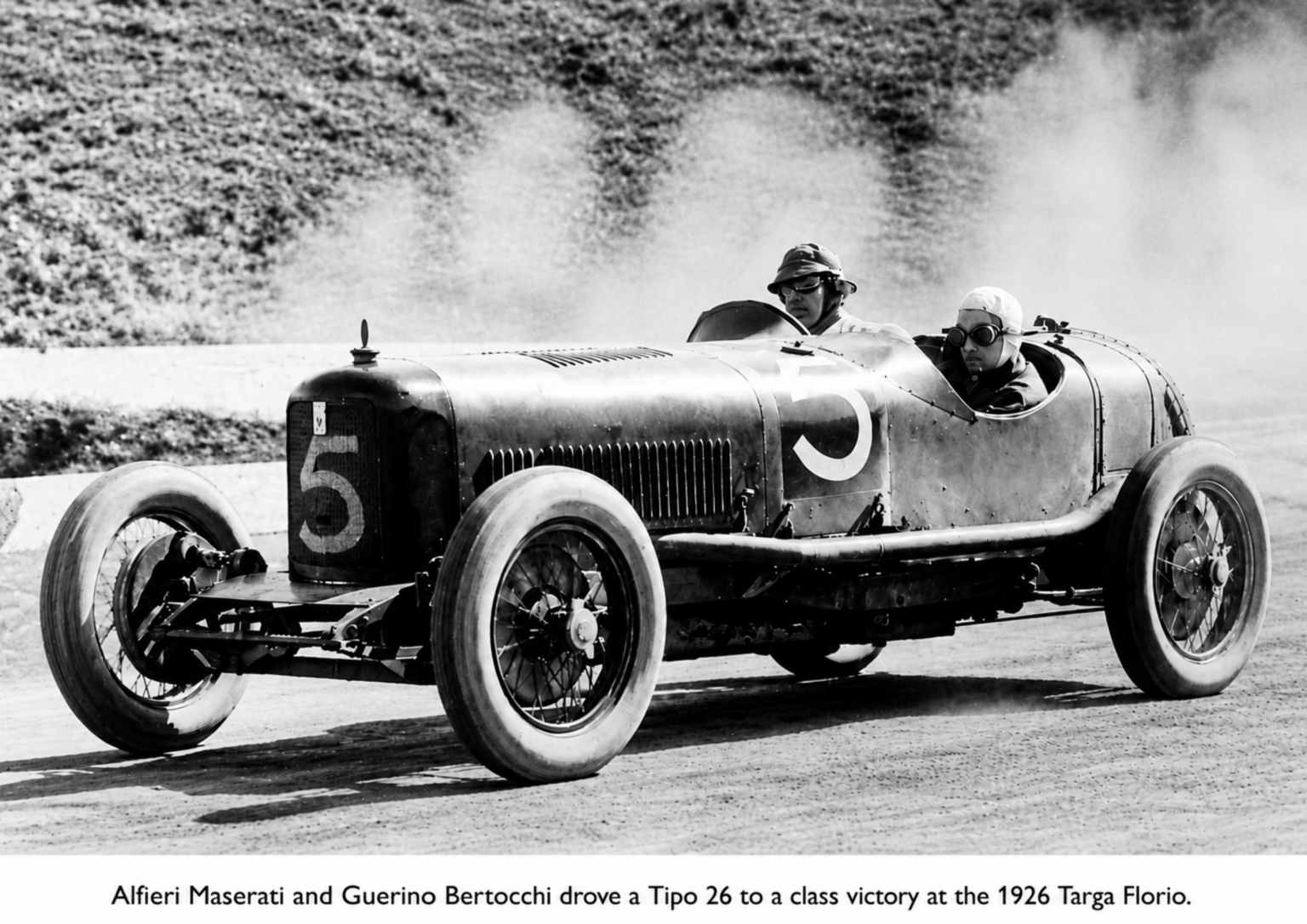
This year’s Revival adds a specific Italian focus through its La Dolce Vita theme and a celebration of 100 years of Maserati racing, linked to Maserati’s 1926 Targa Florio class win.
That kind of theme can easily become decorative, but at Goodwood it works best when it remains tied to the cars themselves. The Targa Florio was not simply stylish; it was long, difficult and physically demanding, run across public roads in Sicily with changing surfaces, heat, dust and risk. Maserati’s connection to that history gives the Revival more to work with than a general reference to Italian style.
The interesting part will not be the visual language alone, but how Goodwood places those cars back into motion. A Maserati driven at pace tells a clearer story than one positioned as scenery.
The Event Around the Racing
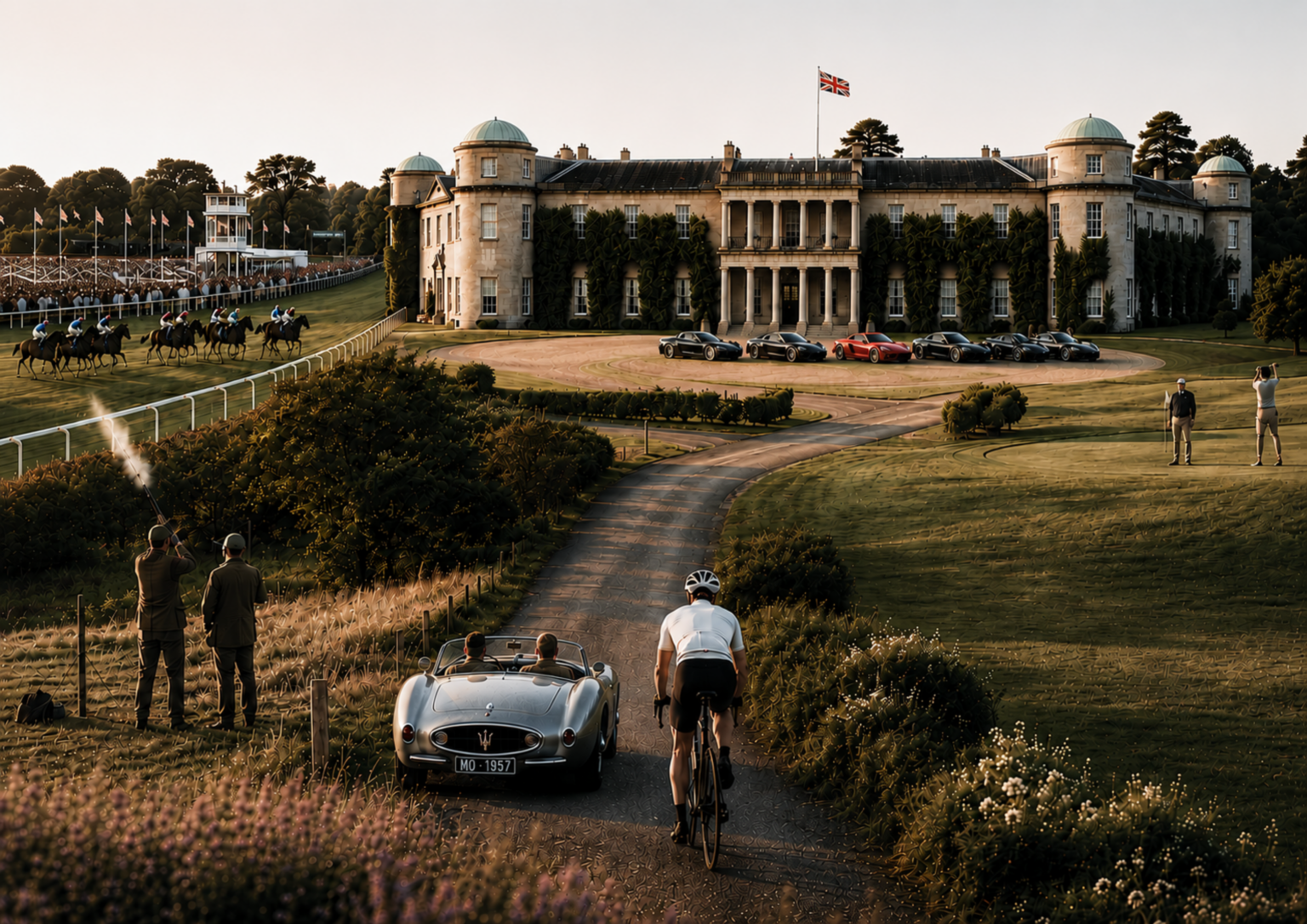
It is striking how little time many visitors spend watching racing continuously. They drift between the paddock, the circuit, the airfield, Goodwood House, the trade stands and hospitality spaces before returning for the next race.
That movement is not limited to motorsport. Goodwood’s wider estate gives the day a different rhythm. A visitor might spend the morning at the circuit, step away for lunch at the hotel or an afternoon tea at the house, then return to the paddock later in the day. Others build the weekend around the golf courses, a flying lesson from the aerodrome, clay shooting, cycling through the estate roads or a race meeting on the other side of the grounds. Goodwood itself presents its experiences across golf, flying, driving, dining and other estate activities, while its corporate experiences specifically reference golf on The Downs, driving at the Motor Circuit and clay shooting in its own arena.
This could easily feel like a list of add-ons, but at Goodwood it generally does not. The activities belong to the same estate and many of them have their own history. The racecourse, aerodrome, golf courses and hotel are not there simply to support the Festival of Speed or the Revival; they are part of the wider pattern of the place.
The better details are often small rather than theatrical: someone checking a tyre by hand, a driver climbing out and speaking directly to a mechanic, a family watching a car being push-started, a cyclist passing along a quiet estate road, or guests returning from the hotel while cars are still being worked on nearby.
Goodwood works when these details feel incidental rather than staged. That is difficult to reproduce elsewhere, because the house, circuit, airfield history, landscape and long stewardship of the estate all contribute to the event. It is not simply a format that could be moved intact to another venue.
Why It Still Feels Different
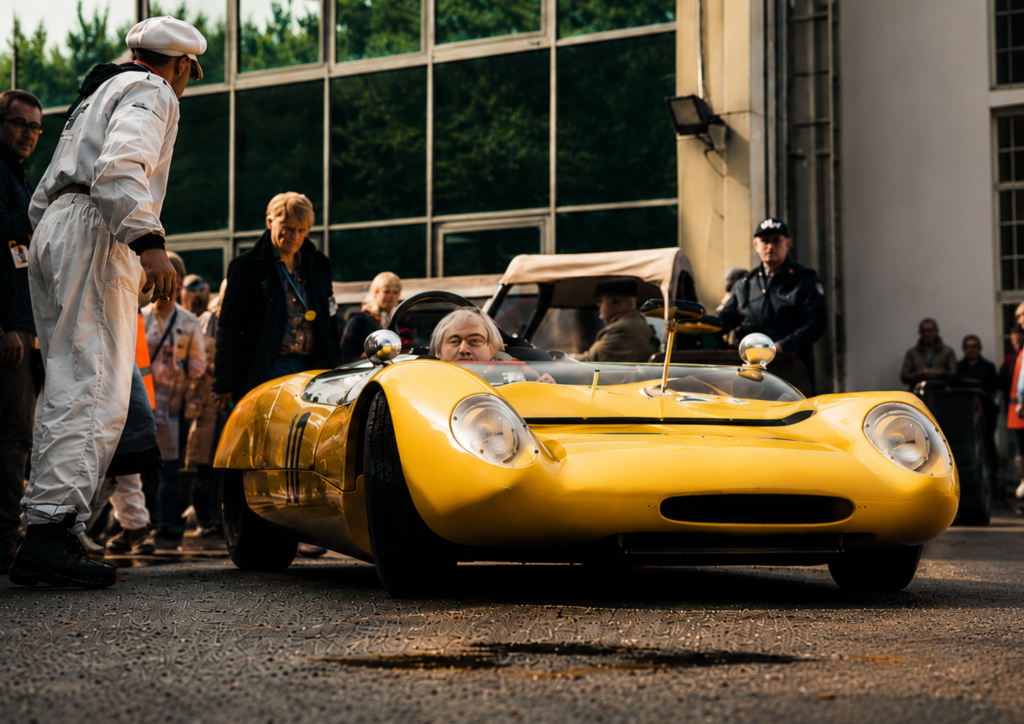
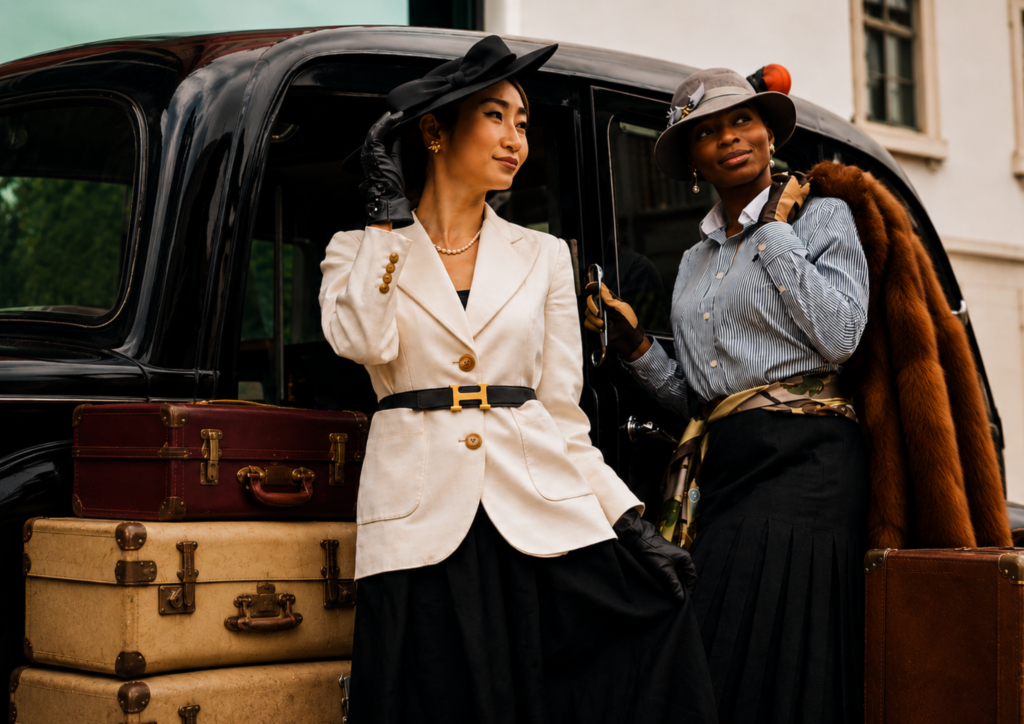
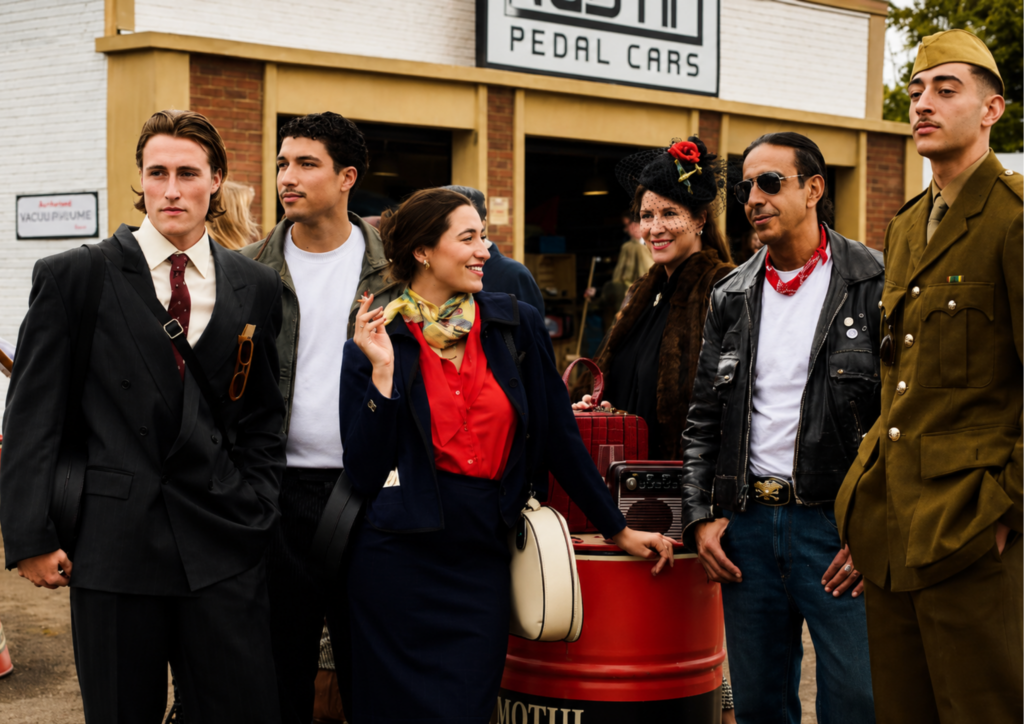
There are now many historic motoring events with rare cars, careful dress codes and strong hospitality. Goodwood’s distinction is not that it has older or more valuable machinery than anywhere else, but that the machinery is still expected to work.
That expectation changes everything around it. Mechanics matter, preparation matters, drivers matter, and the weather, circuit and condition of the car all remain part of the experience. The event becomes less about looking at history and more about watching people keep it usable.
The Festival of Speed gives Goodwood its broader reach, particularly this year with its focus on rivalry and competition. The Revival, however, is where the more specific lesson sits, because it shows how easily heritage can become more interesting when it is not over-explained.
Perhaps that is also why the wider estate matters. Goodwood is a motor racing venue, but not only that. It is also a racecourse, aerodrome, hotel, golf club, cricket ground, shooting ground and country estate. The motoring events may be the reason many people first visit, but they are not the only reason the place holds together.
At Goodwood, the cars, the circuit, the estate and the people working around them are usually enough.