
Bermuda Private Aviation: from Executive Stopover to Global Gateway
Private aviation has long been woven into Bermuda’s story—not simply as a symbol of luxury, but as part of the island’s enduring role as a crossroads in the North Atlantic. Long before today’s business jets began arriving, Bermuda was already welcoming aircraft crossing the ocean, adapting alongside each new chapter in aviation.
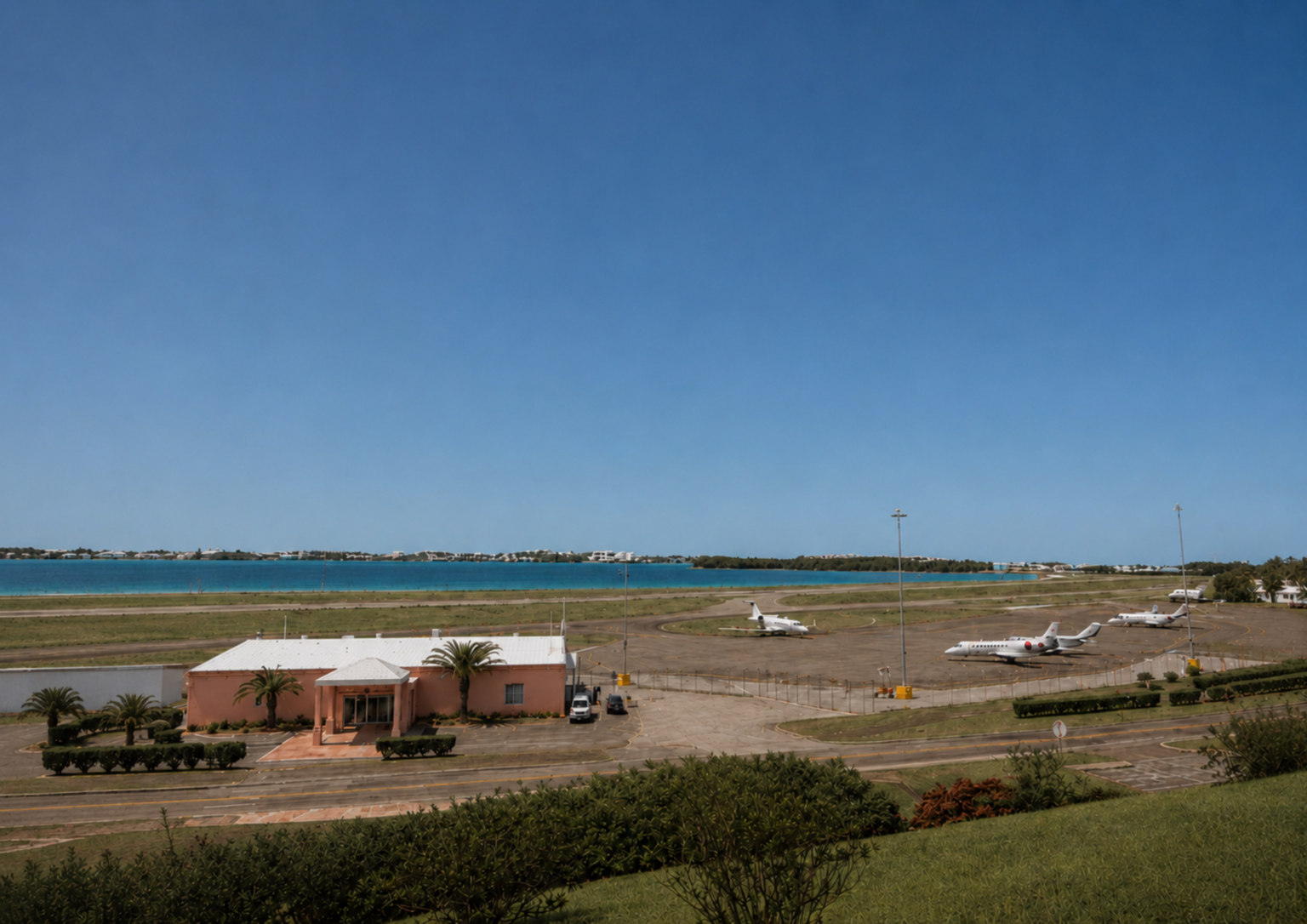
THE FIRST CROSSINGS
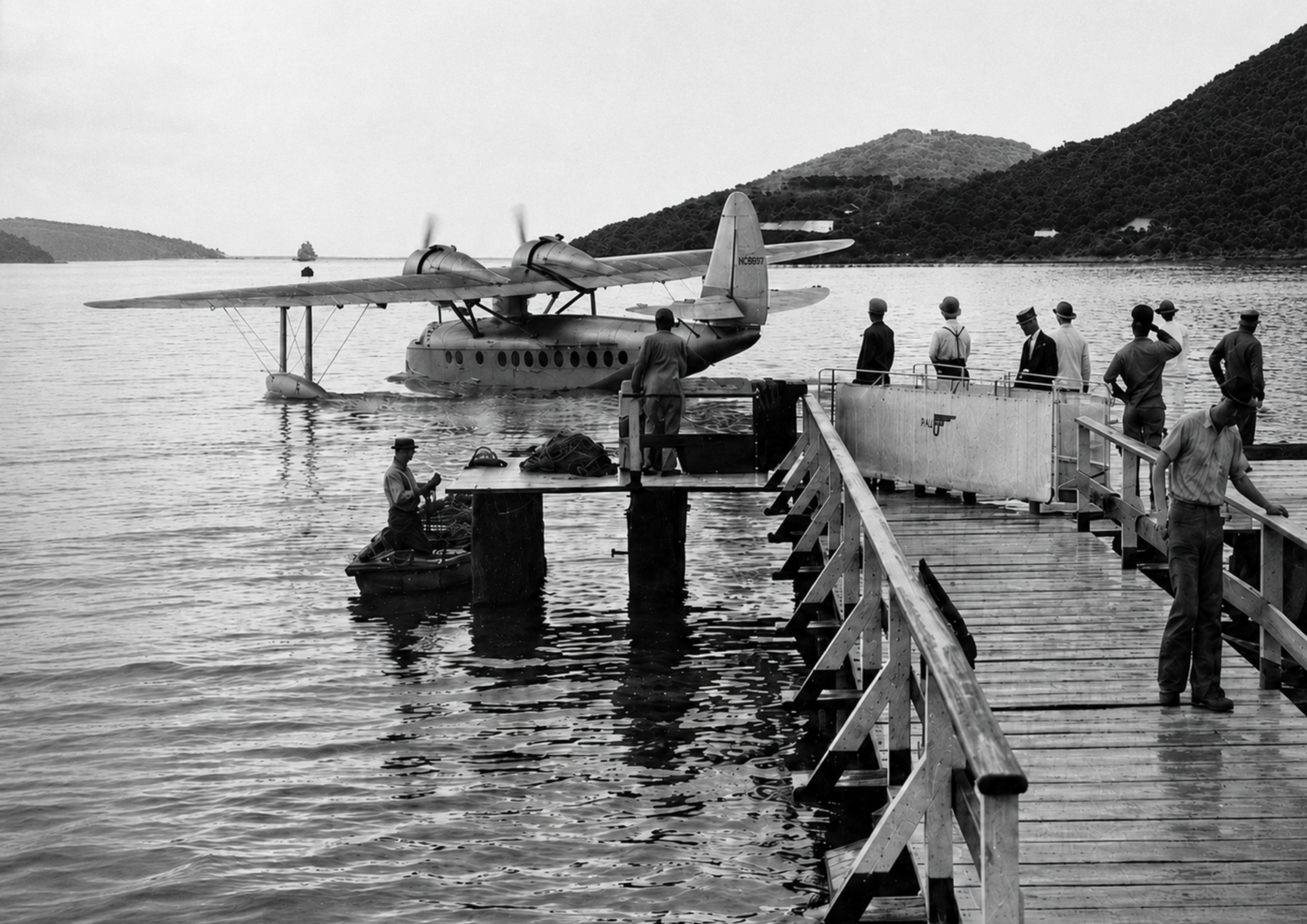
That story began in the 1930s, when flying boats landed at Darrell’s Island, making Bermuda an important stop on early transatlantic routes between North America and Europe. At a time when long-distance air travel was still evolving, the island offered a practical refuelling point and helped establish Bermuda’s place in the development of commercial aviation.
The next chapter came during the Second World War. In 1941, the United States began constructing Kindley Field on reclaimed land at Castle Harbour as part of a strategic Atlantic military base. The airfield later became Kindley Air Force Base before transitioning to the U.S. Naval Air Station Bermuda. Following the departure of the U.S. military in 1995, the airport entered a new era under the Bermuda Government, evolving into today’s L.F. Wade International Airport. Renamed in 2007 in honour of former Premier L. Frederick Wade, it remains the island’s only international airport—a civilian gateway whose history reflects Bermuda’s strategic position in the Atlantic.
A QUIETER SIDE
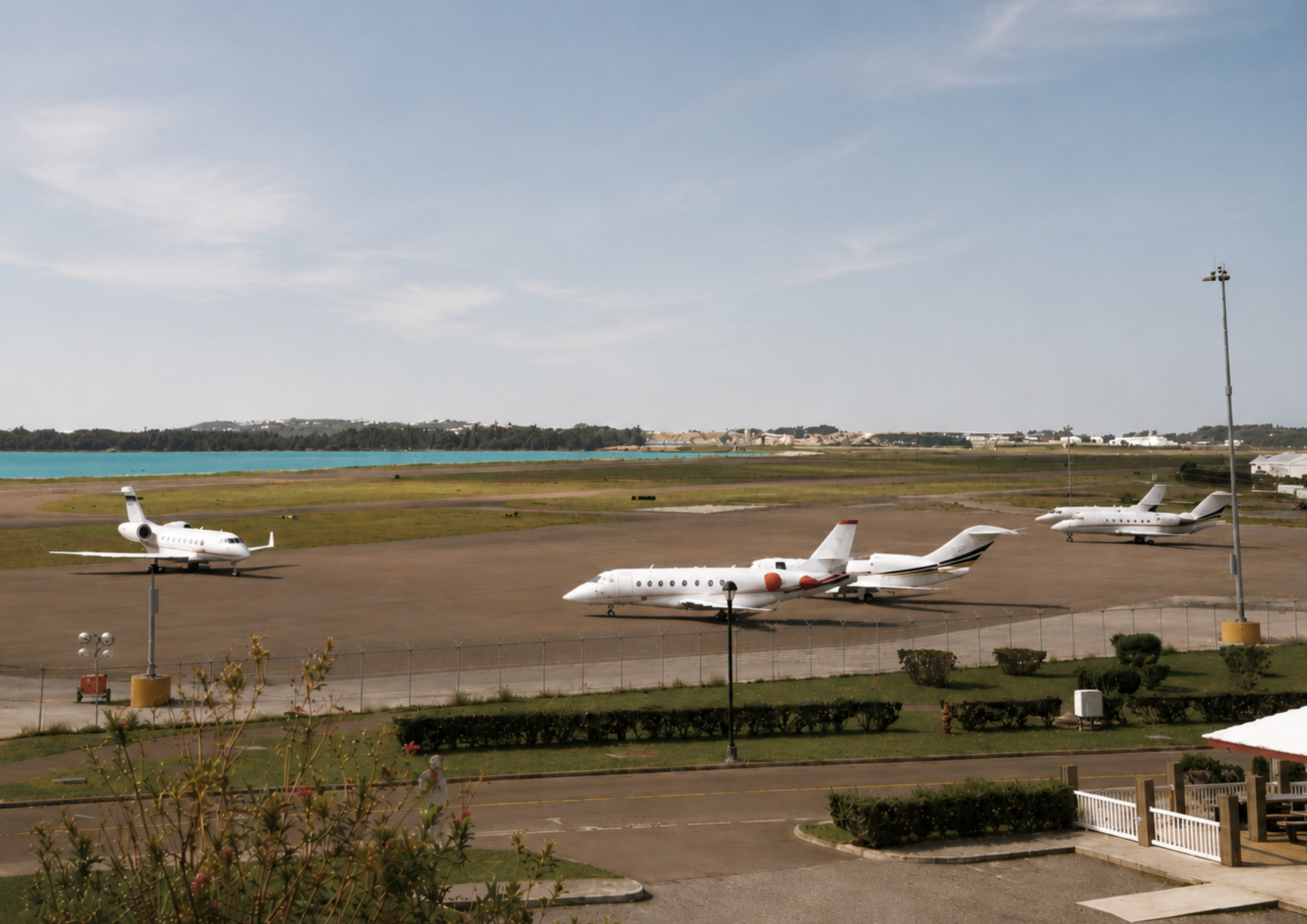
Within that airport, the Fixed Base Operator provides Bermuda’s dedicated gateway for private aviation. Originally established by Cedar Aviation Services, the facility supports business aircraft, private owners and charter operators with specialised ground handling, refuelling, crew support, concierge services and coordination with customs and immigration. It is the quieter side of the airport, designed around aircraft and passengers whose movements often sit outside the rhythm of scheduled commercial travel.
Unlike destinations with separate executive airports, every private aircraft arriving in Bermuda operates through the island’s single international airport. That gives the FBO a particularly important role. Behind each arrival is careful coordination between airport operations, air traffic control, customs, ground handlers, fuel providers and concierge teams, ensuring everything from light business jets and turboprops to ultra-long-range corporate aircraft can be accommodated safely and efficiently within a shared airfield environment.

AVIATION RhythmS
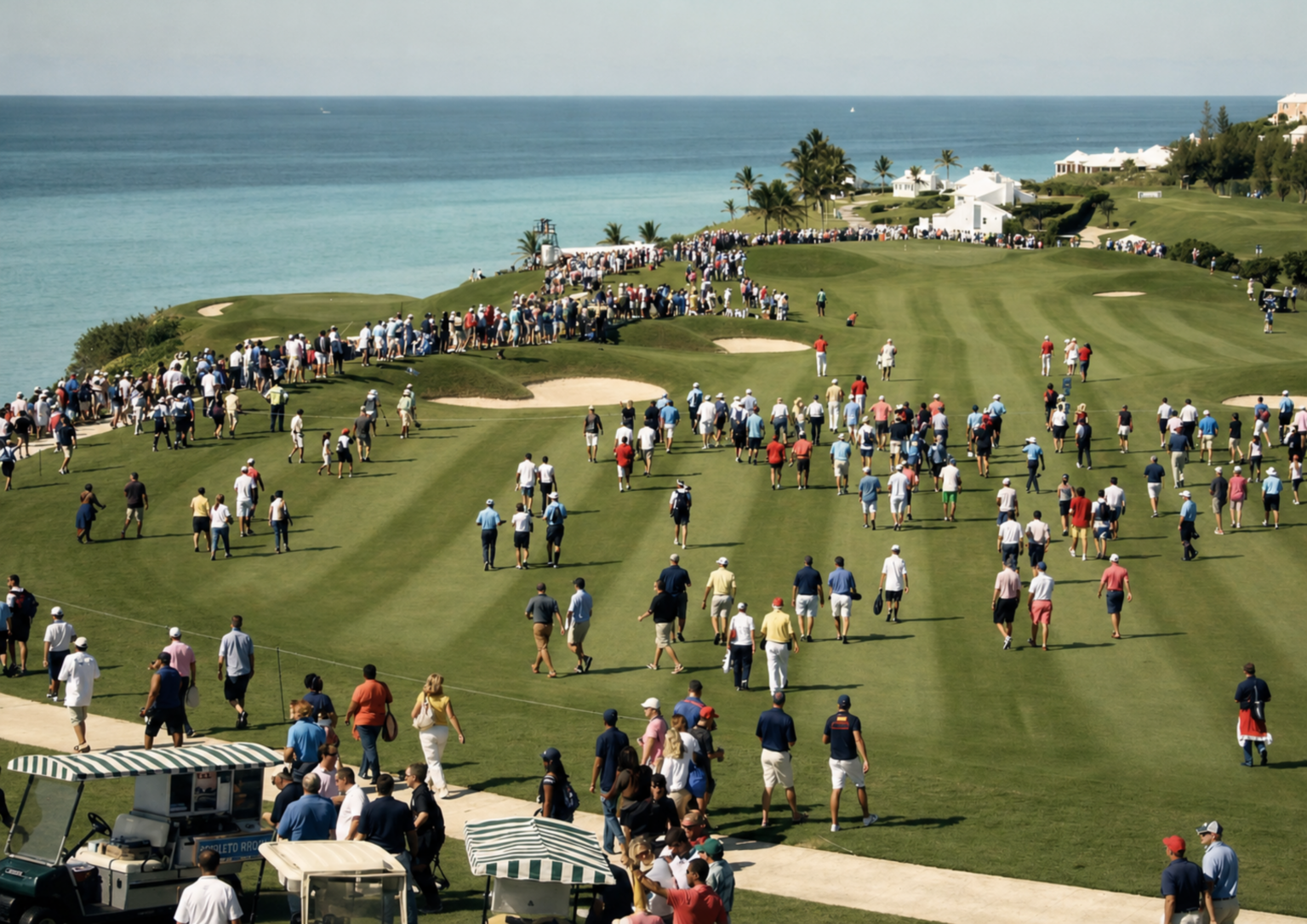
The operation reflects the way Bermuda itself is used. The island is a leading centre for insurance, reinsurance, financial services and international business, and that generates a steady pattern of executive travel throughout the year. Around major industry gatherings—such as the Bermuda Risk Summit, the Bermuda Captive Conference and other board meetings, investor visits and reinsurance events—the FBO becomes part of the infrastructure that allows senior teams, clients and advisers to move in and out of the island with precision.
That business traffic is complemented by Bermuda’s event calendar and leisure season. The Butterfield Bermuda Championship brings players, owners, sponsors and guests to the island each autumn. SailGP adds a different kind of international movement, with teams, partners and high-net-worth spectators arriving around a concentrated event window. Offshore, the Bermuda Triple Crown attracts yacht owners, sportfishing crews and guests whose travel often connects aircraft, marina arrivals and private accommodation. These are not simply moments of increased traffic; they are examples of how private aviation supports the island’s wider hospitality, sporting and business economy.
There is also the quieter, year-round leisure use that is harder to see but central to Bermuda’s private aviation profile. Families arriving for long weekends, homeowners returning to the island, yacht owners joining vessels offshore, guests travelling onward through the Caribbean or North America, and high-net-worth visitors seeking a more discreet point of arrival all form part of the FBO’s daily mix. On any given day, the facility may handle a corporate shuttle, a family charter, an air ambulance, a government movement, a technical stop or an aircraft repositioning between continents.
A New Chapter with Atlantic Aviation
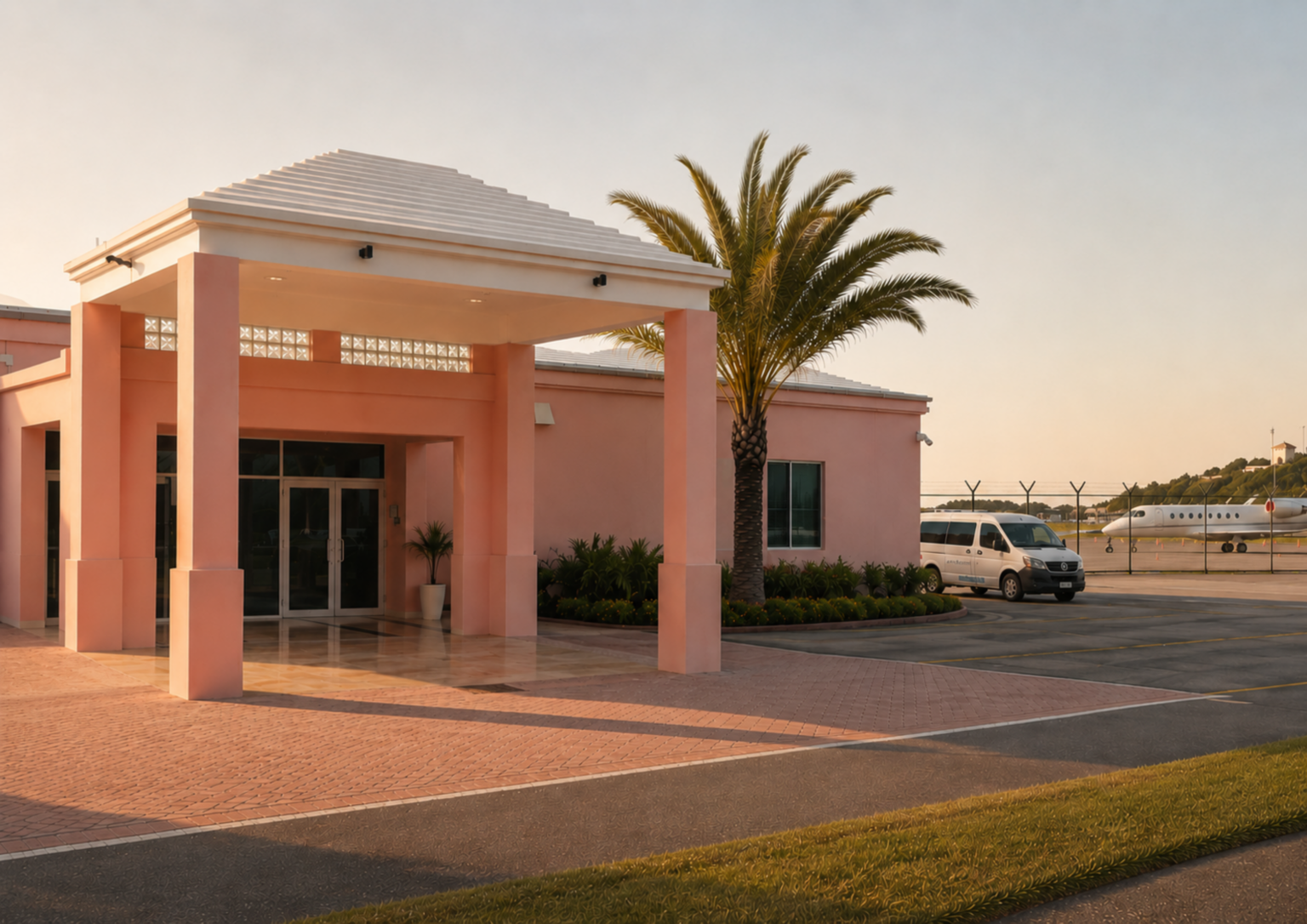
The FBO itself continues to evolve. In late 2025, Atlantic Aviation acquired Cedar Aviation Services, bringing Bermuda into one of North America’s largest FBO networks while retaining the experienced local team that has supported operators for many years. For flight departments already familiar with Atlantic Aviation across the United States and Canada, the acquisition introduced greater continuity across their network while preserving the local knowledge that remains essential to operating on an island airport.
The Advantage of Place
That local knowledge matters. Bermuda’s appeal to private aviation is shaped as much by geography as by infrastructure. Located around 650 miles east of North Carolina, the island occupies a unique position in the western North Atlantic, serving both as a destination and, where operationally appropriate, a technical stop for some business aircraft. Its single-airport environment, oceanic position and event-driven peaks all require a level of coordination that is different from larger mainland airports with multiple executive options.
The aircraft have changed dramatically over the past century, from flying boats to long-range business jets, but the island’s role has remained surprisingly consistent. Bermuda continues to offer something it has provided for generations: a well-managed point of arrival in the Atlantic, where geography, business, leisure and modern aviation intersect with quiet efficiency.