
Before Fire and Ice: Borg, McEnroe and a Jamaican Prelude to Tennis Mythology
Some sporting moments become famous only later. At the time, they pass almost quietly: a tournament stop, a photograph, a few days of heat and movement before the calendar rolls on. But looking back, they gather a different charge. They become a glimpse of something before it had fully become itself.
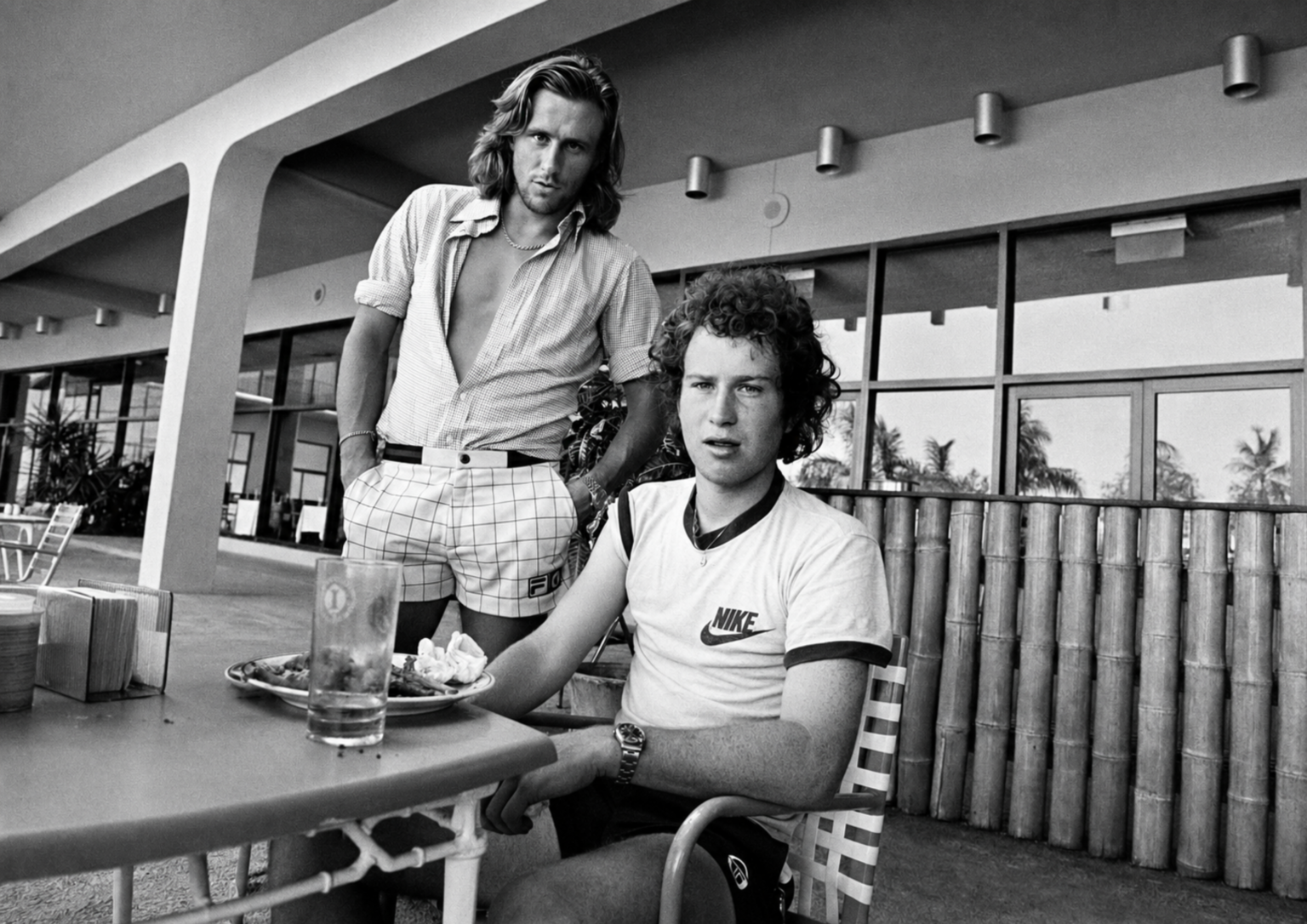
In December 1978, the WCT Challenge Cup came to Montego Bay, Jamaica. The official record places the event there in 1978, with Ilie Năstase ultimately winning the singles title. Yet the tournament’s lasting fascination is not only in the result. It is in the company it kept: Björn Borg, already the cool centre of men’s tennis, and John McEnroe, still a young force in formation.
The image of the two in Jamaica feels almost cinematic now. Not Wimbledon. Not Centre Court. Not the mythic stage of the 1980 final. Instead: Montego Bay, sunlight, a Caribbean glimpse before the rivalry became fixed in tennis history.
Montego Bay, Before the Myth
There is something quietly compelling about seeing future icons away from their grandest settings. Before the rivalry becomes a shorthand, before the documentary treatment, before the endlessly replayed tiebreaks and Centre Court stills, there is often a quieter image: a resort terrace, a tournament stop, a few days of heat and movement that only later seem charged with meaning.
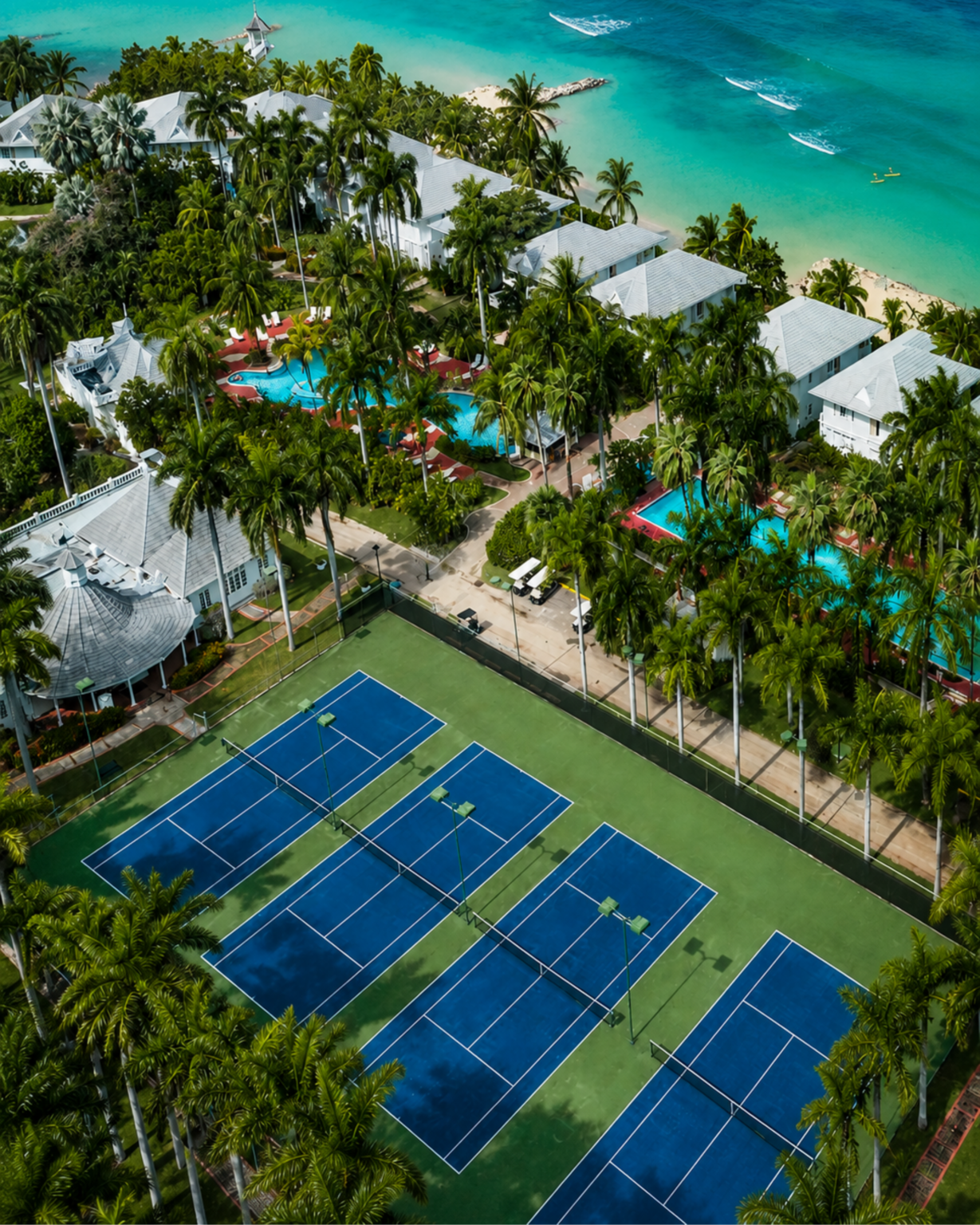
Montego Bay in 1978 was not the theatre through which Borg and McEnroe would later be remembered. It was softer, warmer, less burdened by symbolism. There was no Wimbledon formality, no cathedral hush, no sense yet that these two men would come to define one of tennis’s most elegant contrasts. Instead, Jamaica offered a different kind of stage: palm-fringed, sunlit, slightly removed from the main current of the tour, and all the more interesting for it.
For Borg, then 22, the aura was already formed. He had the composure, the hair, the silence. By then, he had become more than a tennis player. He was a mood: calm, controlled, almost cinematic. Even away from the grand slams, he seemed to bring the atmosphere of them with him.
For McEnroe, 19, the attention was newer, less comfortable. TIME’s profile from that winter captured him in Montego Bay as someone already being interrupted for autographs, yet still capable of seeming embarrassed by the attention. That detail matters. It catches McEnroe before the full public version of McEnroe had taken shape — before the temper became theatre, before the sharpness became brand, before the sport decided exactly what it wanted him to represent.
That contrast is what makes the Jamaican setting so interesting. It catches them in different stages of fame: one already mythic, the other not yet fully claimed by his own legend. Borg appears as the finished icon; McEnroe as the brilliant, unsettled arrival. One seems to know the part he is playing. The other is still discovering how uncomfortable, and how powerful, that part might become.
Seen now, Montego Bay feels less like a footnote. A brief Caribbean interlude before the rivalry hardened into history, and yet – the kind of moment travel is so good at preserving.

The Swede, the New Yorker and the Shape of a Rivalry
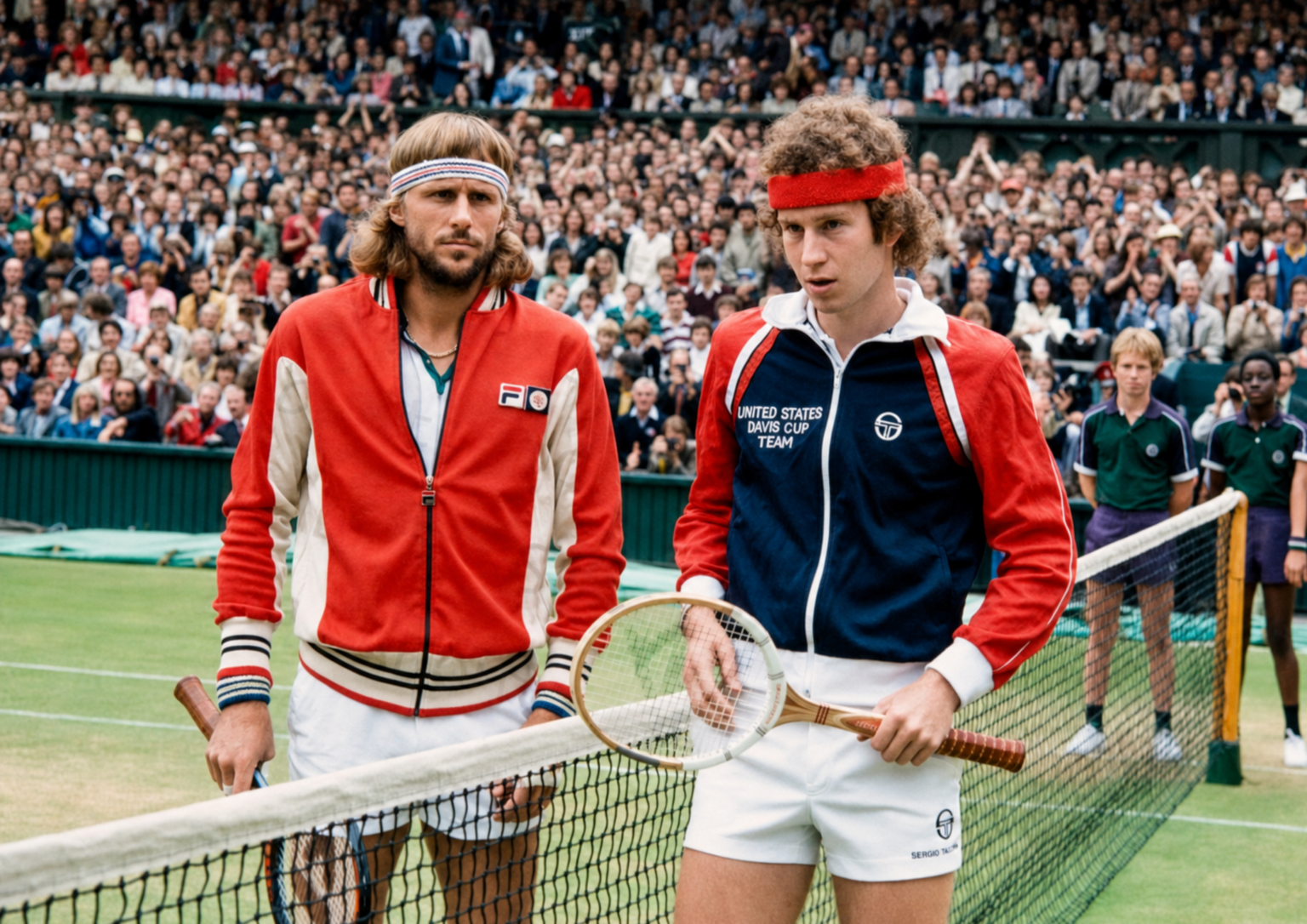
Borg and McEnroe would later be reduced, beautifully and perhaps too neatly, to “Fire and Ice.” Borg was the controlled Swede, all restraint and rhythm. McEnroe was the sharp-edged New Yorker, expressive, impatient and impossible to ignore.
But in Jamaica, that mythology was still soft around the edges. Their rivalry had only just begun to take shape. The late 1970s were the threshold: McEnroe had announced himself, Borg remained the standard, and tennis was beginning to sense that something magnetic might be forming between them.
What made the pairing so powerful was not simply difference, but balance. Borg’s stillness gave McEnroe’s volatility its frame. McEnroe’s electricity made Borg’s calm appear almost supernatural. Together, they created a sporting contrast that felt less like opposition than design.
A Caribbean Footnote with Staying Power
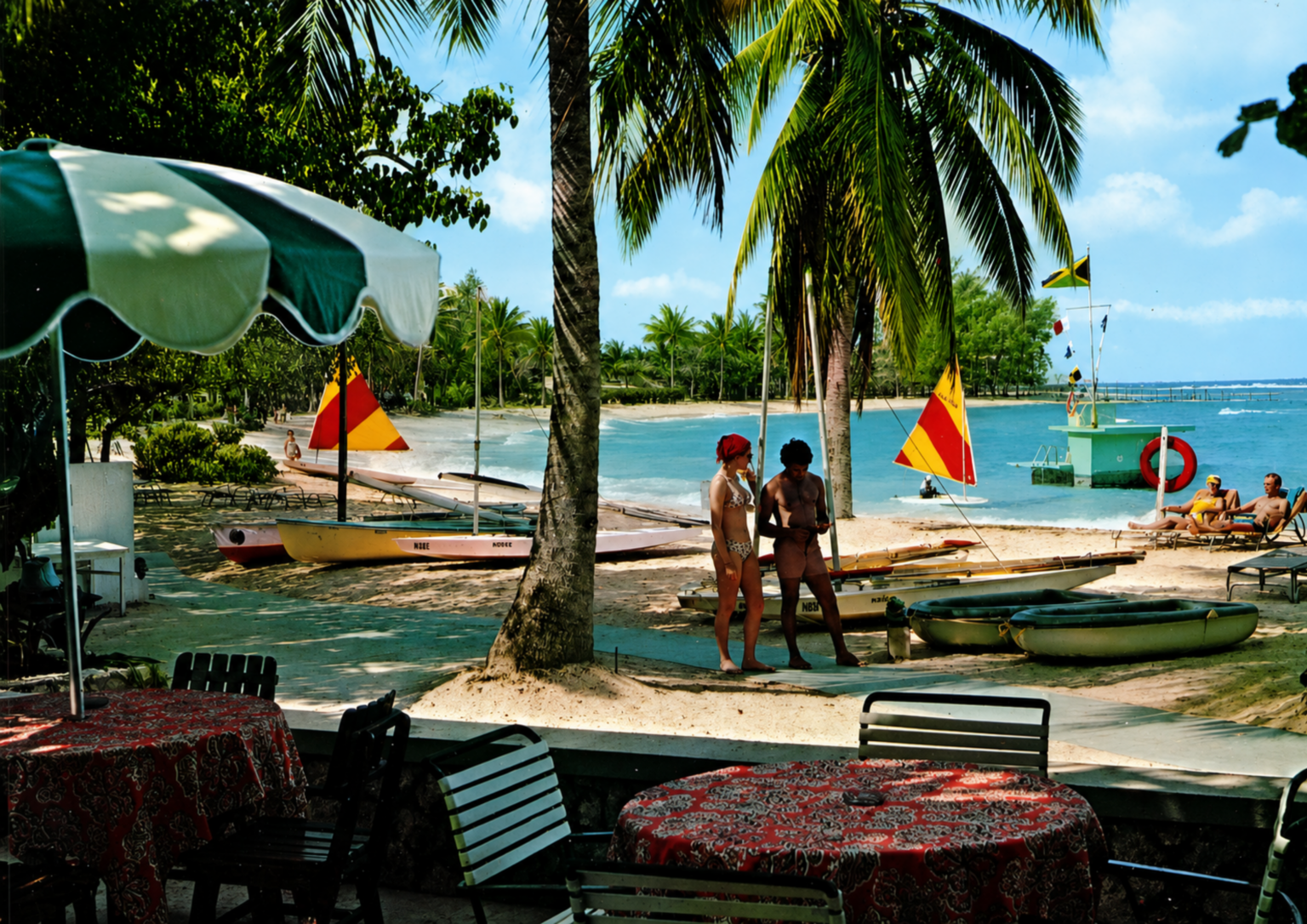
The Montego Bay moment endures because it feels intimate. Before the great finals, before the famous tie-break, before the rivalry settled into cultural memory, there was this: two players in Jamaica, young and watchful, standing at the edge of something larger than either could yet know.
For us at the Altitude Jounral there is intriguing appeal in that sense of place. Travel has a way of holding people before history catches up with them. A hotel terrace, a tournament week, a brief Caribbean meeting — these are the scenes that remind us that luxury is not always about spectacle. Sometimes it is about vantage point.
Montego Bay gave tennis one of those vantage points. Not the defining chapter of Borg and McEnroe, but a beautifully situated prelude. A glimpse of two men before they became shorthand for an era.
The rivalry would end officially level, 7–7, a symmetry almost too perfect for fiction. But before the scoreline, before the iconography, before fire met ice on the world’s largest stages, there was Jamaica — warm, fleeting and unforgettable.
Sources include: artwithheart.se, Getty Images