
Arthur Ashe: Beyond the Baseline
During the late 1960s and early 1970s, Arthur Ashe’s travels brought him to Bermuda and across parts of the Caribbean at a time when both were becoming unlikely stages for international tennis. More than half a century later, those visits reveal as much about the man as they do the matches.
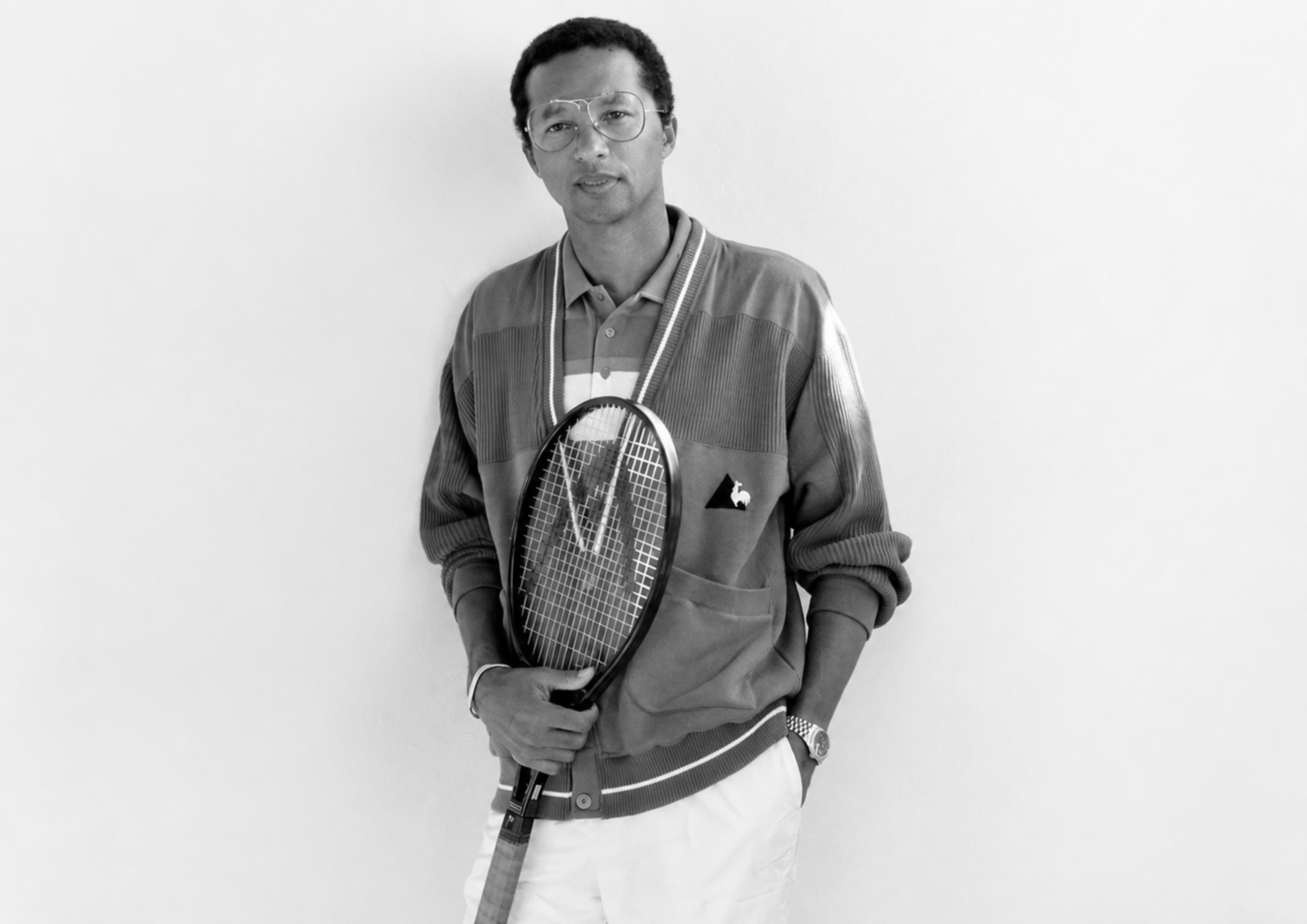
A Life Larger Than Tennis
Some athletes become synonymous with their sport. Others come to represent something much larger. Jackie Robinson changed American baseball forever. Willie O’Ree broke ice hockey’s colour barrier. Viv Anderson became the first Black association footballer to represent England at a senior level. Their achievements were remarkable, but so too was the space they created for those who followed.
Arthur Ashe belongs comfortably in that company.
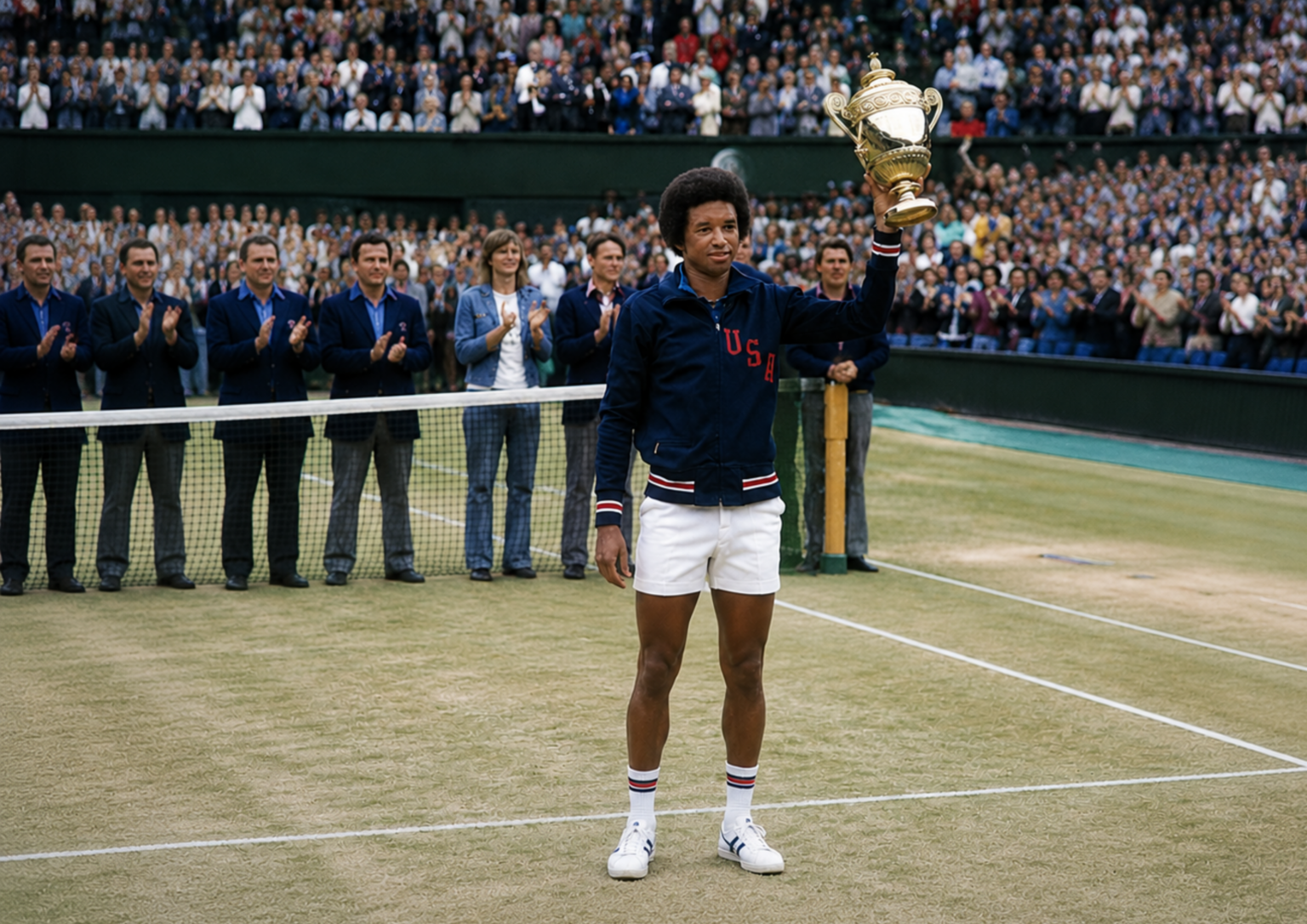
His tennis career alone would have secured his place among the game’s greats. He became the first Black man to win the US Open, the Australian Open and Wimbledon, combining elegant shot-making with a thoughtful, tactical style that relied more on timing than power. Yet those who played alongside him often remembered something else first: his composure. He carried himself with quiet assurance, rarely appearing hurried or unsettled by the pressures surrounding elite sport.
That calm exterior was not simply temperament. Growing up in segregated Richmond, Virginia, Ashe learnt that talent alone would not determine where he could play or how he would be judged. As one of the few Black players entering predominantly white tournaments, he understood that every success carried added scrutiny. The self-control that became one of his defining characteristics was, at least in part, a practical response to those realities.
As his influence grew, so did the causes he chose to embrace. He challenged apartheid in South Africa through years of patient but persistent advocacy, believing that sport could not be separated entirely from society. Later, after contracting HIV through contaminated blood received during heart surgery, he became one of the world’s most respected voices helping to reduce the fear and misunderstanding surrounding AIDS. He approached that role with the same dignity that had characterised his tennis, replacing judgement with education and compassion at a time when both were often in short supply.
There is a temptation to describe Arthur Ashe simply as graceful, but that only tells part of the story. Grace suggests ease, and Ashe’s life was rarely easy. What distinguished him was an unusual combination of elegance and resilience, quiet conviction and considerable inner resolve.
By the time his travels brought him to Bermuda and across parts of the Caribbean, he was carrying far more than one of the finest backhands in tennis. He had already become one of the sport’s most respected ambassadors, whether he intended to or not.
When Tennis Travelled
Today, the professional tour revolves around familiar destinations and carefully structured schedules. During Ashe’s era, the calendar was rather more varied.
Beyond the Grand Slams and the largest championships, leading players regularly travelled to invitation tournaments and regional events that took them well outside tennis’s traditional centres. Bermuda developed a reputation for attracting world-class players, while Puerto Rico, Jamaica and other Caribbean destinations welcomed many of the sport’s leading names during the northern winter and spring.
These islands were not part of a single formal circuit, nor did they share identical histories or cultures. What connected them was a period in which international tennis travelled more freely than it does today, bringing elite competition to audiences who might otherwise never have experienced it first-hand.
For the players, the events offered meaningful competition in distinctive settings. For the destinations themselves, they provided an opportunity to showcase far more than beaches or favourable weather, demonstrating that world-class sport could thrive in places often overlooked by the wider tennis establishment.
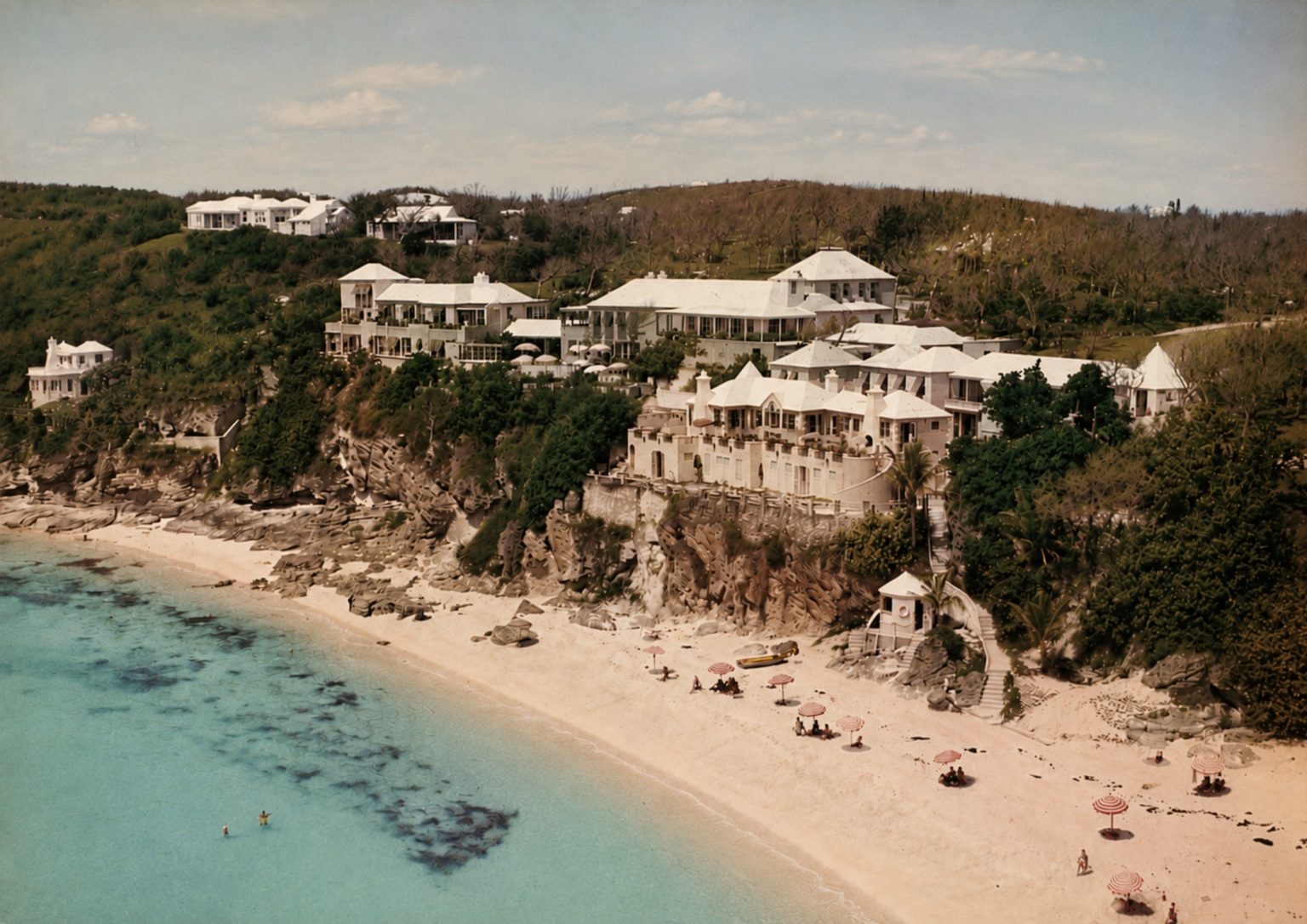
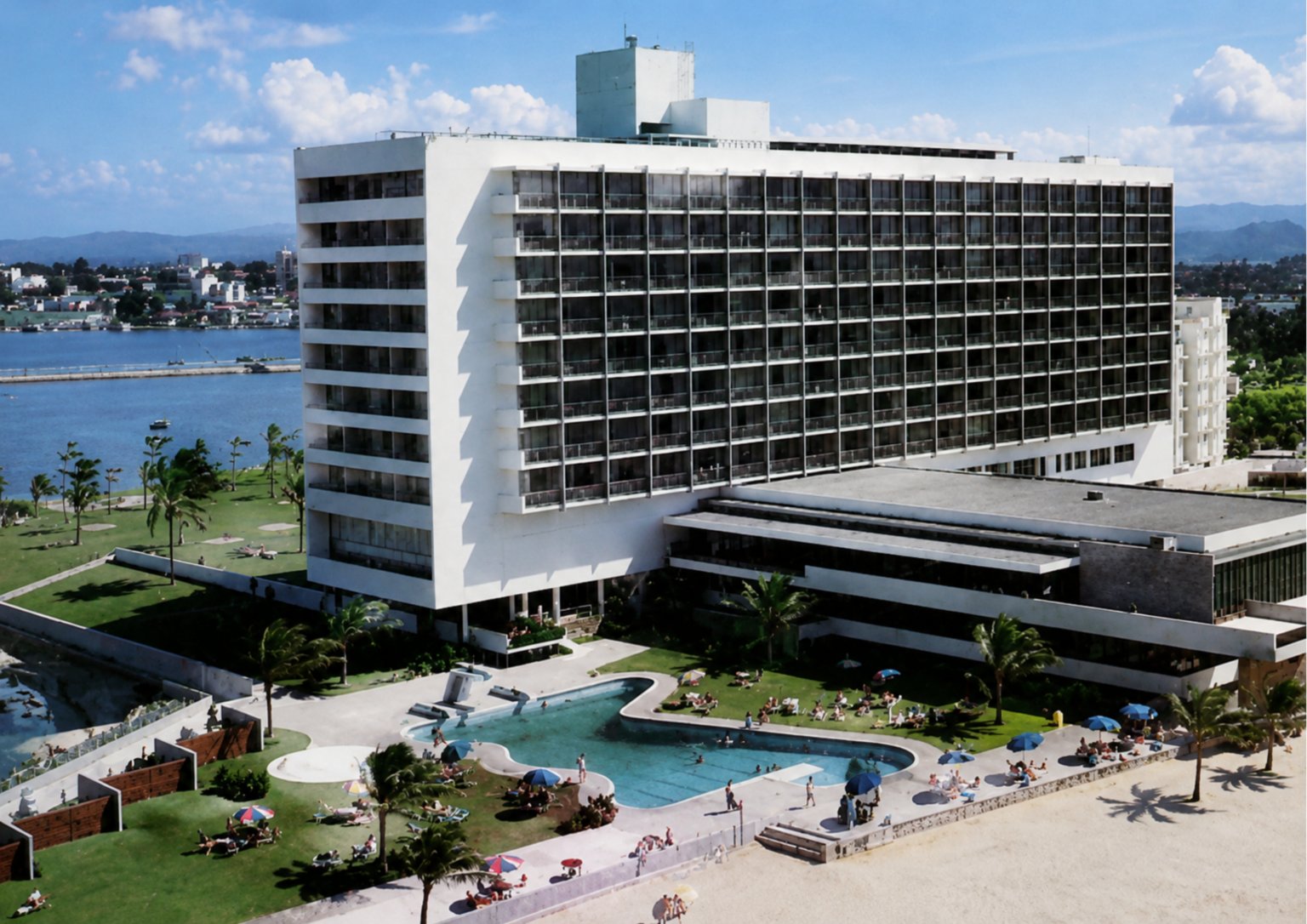
Bermuda and the Caribbean
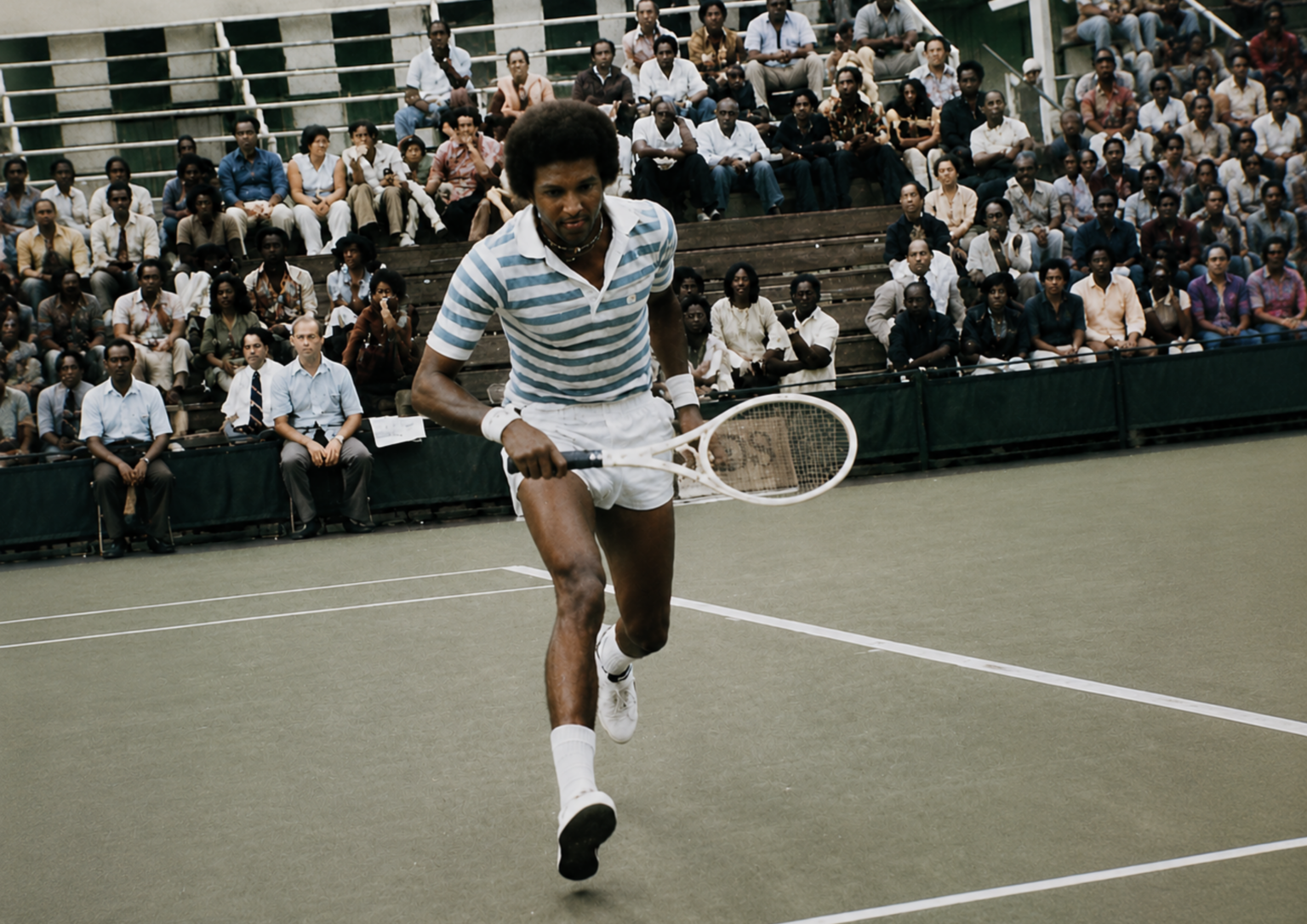
Among Bermuda’s growing calendar of sporting events, the Bacardi Invitational became one of the island’s most respected tennis tournaments. Ashe won the title in 1970, defeating Željko Franulović in the final, but it is striking how often local recollections focus not on the result but on the impression he left away from the baseline. Contemporary editions of The Royal Gazette place Ashe at the heart of Bermuda’s international tennis period and record the considerable local interest surrounding his appearances.
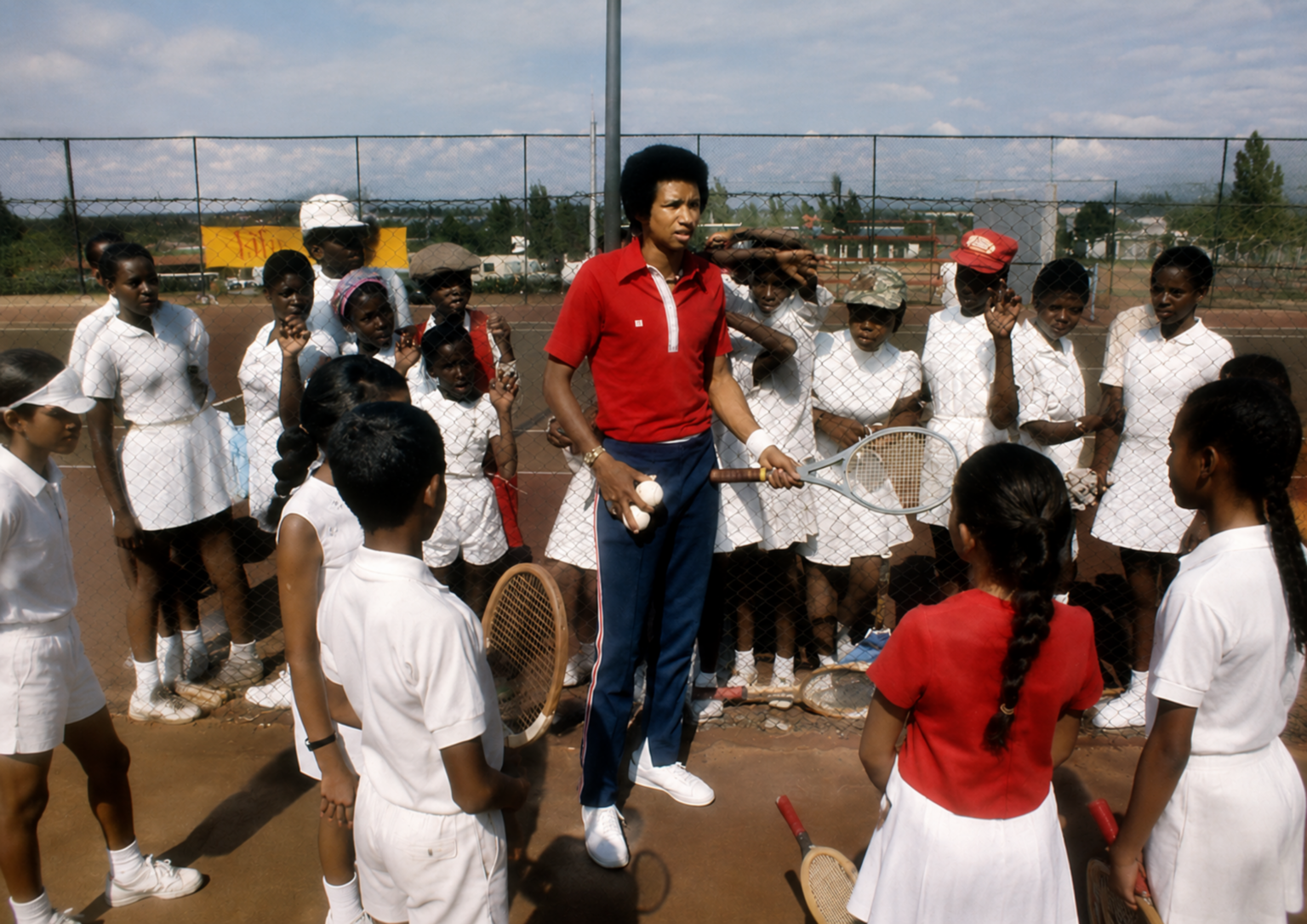
He spent time with younger players, sharing advice and encouragement in a manner that reflected his wider belief that tennis should become more accessible than it had been during his own childhood. Even at relatively small events, he appeared willing to engage with local tennis communities rather than treating them simply as another stop between larger tournaments.
One story has become part of Bermuda’s tennis folklore. Bermudian tennis figure Richard Simmons later recalled that Ashe declined to conduct a junior clinic on the courts at Coral Beach because of the club’s earlier history of excluding Black players. According to Simmons, Ashe instead remained nearby with the children, talking with them and signing autographs without turning the occasion into a public confrontation. As a retrospective personal recollection rather than a contemporaneous report, the account should be read with that qualification, although the response described feels recognisably Ashe: principled without becoming performative.
Further south, Puerto Rico offered a different perspective on his relationship with the region. Ashe returned repeatedly to compete at the Caribe Hilton International in San Juan, winning the men’s tournament in 1966, early 1968, 1969 and 1970 against opponents including Cliff Richey, Ronald Holmberg and Charlie Pasarell. These were serious competitive events rather than exhibitions arranged around resort life, and his repeated success there underlined Puerto Rico’s position within the international tennis calendar of the period.
Jamaica tells another part of the story. International tournaments brought elite players before local audiences, while also highlighting the growing strength of Caribbean tennis itself. Ashe’s appearances intersected with the rise of Richard Russell, Jamaica’s outstanding player of the period, who recorded a celebrated victory over him in Kingston in 1966. The result is a useful reminder that the region was producing serious competitors of its own rather than merely welcoming famous overseas players.
Taken together, these events reveal a fascinating period in which Bermuda and the Caribbean occupied a small but meaningful place in international tennis. They welcomed some of the game’s greatest names while simultaneously nurturing ambitions and talent of their own.
An Influence beyond the final point
It would be easy to overstate the importance of these tournaments within Arthur Ashe’s remarkable career. In truth, they were only a handful of weeks spread across a life defined by far greater achievements. Yet that is precisely what makes them interesting.
Away from the sport’s largest stages, Ashe remained recognisably the same person. The qualities that defined him at Wimbledon or Forest Hills—his generosity, composure and quiet determination—appeared just as naturally on smaller courts in Bermuda, Puerto Rico and Jamaica. Young players were not simply watching a Grand Slam champion. Many were seeing someone who had expanded the boundaries of who could succeed in a sport that had not always welcomed people who looked like him.
Looking back today, it is tempting to think of Bermuda and the Caribbean simply as places where Arthur Ashe happened to play tennis. In reality, they offer a glimpse of something rather more interesting. For a brief period, this part of the Atlantic welcomed many of the world’s finest players, while audiences on relatively small islands found themselves watching international tennis from remarkably close quarters
Arthur Ashe was among those players, but he also brought something that could not be measured in trophies. He arrived with the elegant finesse of a champion, the discipline of someone who had overcome barriers few of his contemporaries ever encountered and a quiet confidence that would later help him confront challenges far beyond tennis itself.
The victories explain why Arthur Ashe became famous. The way he carried himself—in Bermuda, across the Caribbean and throughout his life—explains why he continues to be remembered.
Sources include: The Bermuda National Library Digital Collection and The Royal Gazette archive; The Bermudian; Arthur Ashe Legacy at UCLA; the International Tennis Hall of Fame; ATP Tour; the USTA and US Open archives; Davis Cup; Wimbledon; Jamaica Information Service; and the Caribe Hilton International records